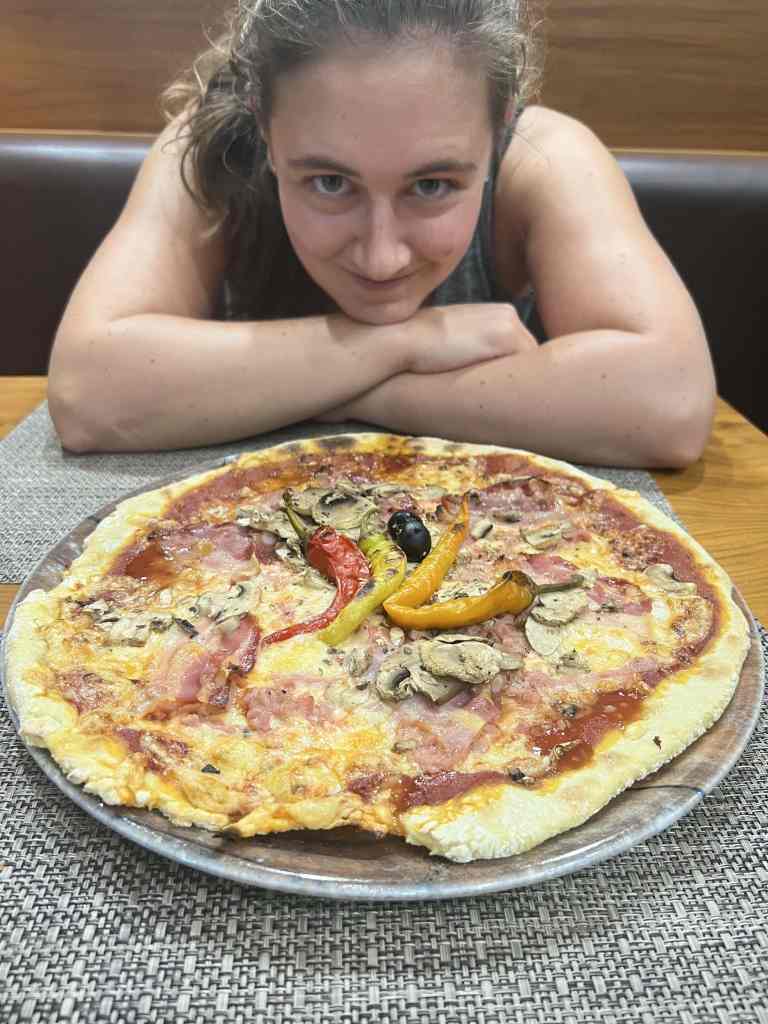
We made the 24 nautical mile trek to Zadar with some strong gusts. We nailed our docking into Marina Zadar, though, so we were feeling pretty good about that. 🙂 Marina Zadar feels more of an industrial working marina, but its best feature is that it’s a short 10-15 minute walk into Zadar’s old town. The afternoon consisted of deep cleaning the boat in prep for our new guests and watching another thunderstorm. We finally got a family game played while we were all awake, then for a late dinner we braved the weather in an Uber to guess what – a pizzeria with gluten-free pizza! Very first one we’ve found in our time here. Rory, Laura and I were so happy!
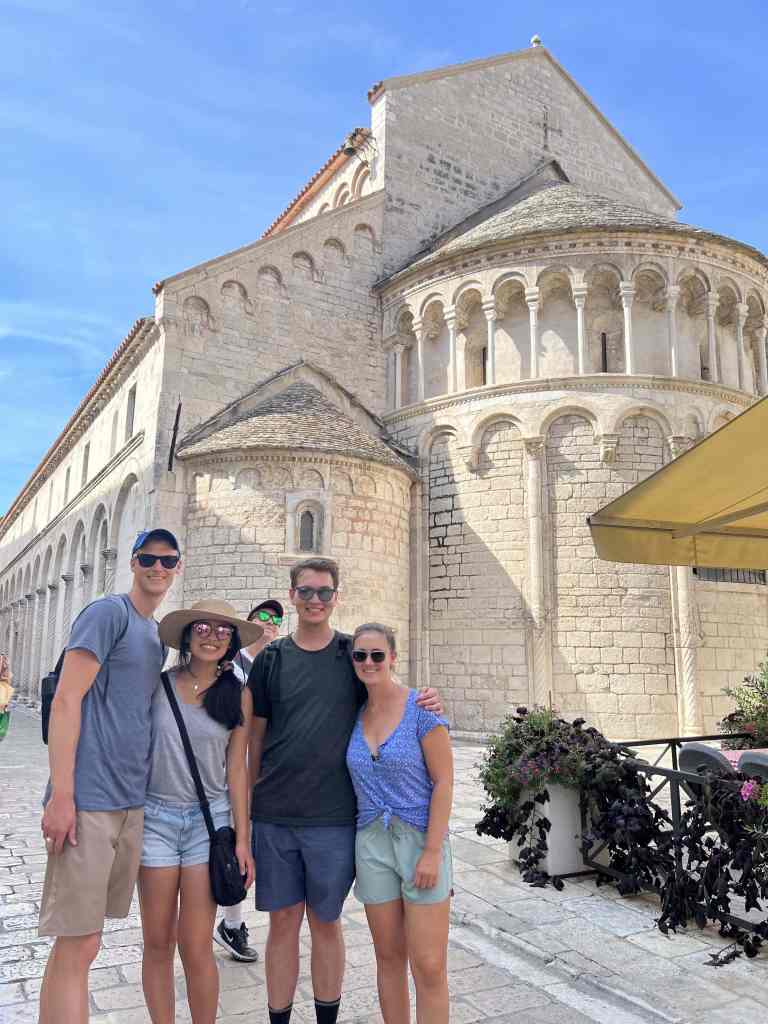
The next morning we welcomed Laura’s boyfriend and two other great friends – Sean, Ty and Kyle. Some had more challenging times arriving into Zadar than others, but they all made it. We now count as 7 crew on board, pushing us to our biggest capacity test to date. So far, so good. We’re excited to have them aboard!
After getting settled in, it was time for our next GuruWalking tour. We met Igor in the old town and learned a lot of history during our 2-hour tour. None of us really learned much Balkan history back in school, so we’re piecing it all together. In a nutshell, so many different powers have ruled these lands, it’s hard to keep track. This was such a sought-after area due to it’s prime location in Europe – between east and west, north and south. This is definitely not 100% correct but: Illyrians were the original tribes of the area in about 300-400 BC, then came the Greeks, then Romans (until the fall of their empire in the 5th century), then Croats (with their own kingdom), then Venetians, then the French (under Napoleon), then Ottomans (Turks), then the Austria-Hungarian empire, then Italy. After WWI, the area was part of the republic of Yugoslavia. During WWII, Italy took over again, then the Nazis. After the war, Yugoslavia regained its independence until the fall of the Soviet Union, when the republic started splitting up. There were multiple wars of independence resulting in all the separate countries we know of today. (Slovenia, Croatia, Bosnia and Herzegovina, Serbia, Montenegro, Albania, Macedonia, Greece, Bulgaria and Romania.) Croatia won its independence in 1995 after nearly a 5-year war.
We feel because of its extensive, diverse and tumultuous history along with its short time as a modern country, Croatia is still developing its sense of self. We have yet to identify what we’d currently call “Croatian,” but we’re still learning. Tourism has become huge for sure, which makes sense due to its amazing coastline and over 1000 islands.
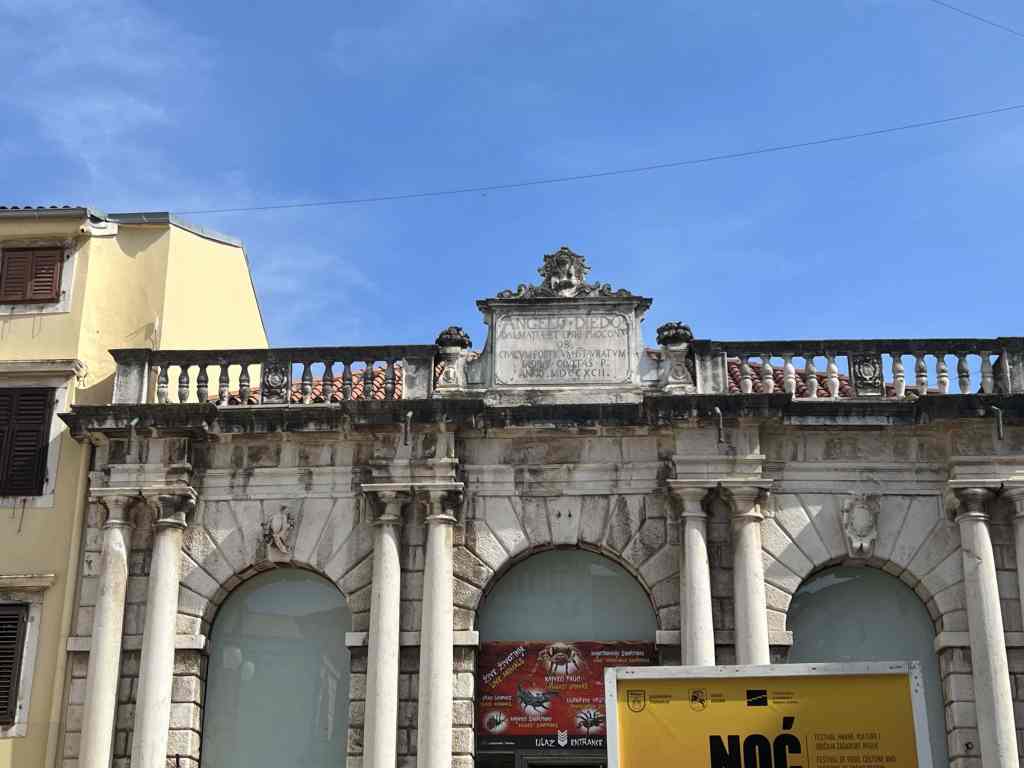
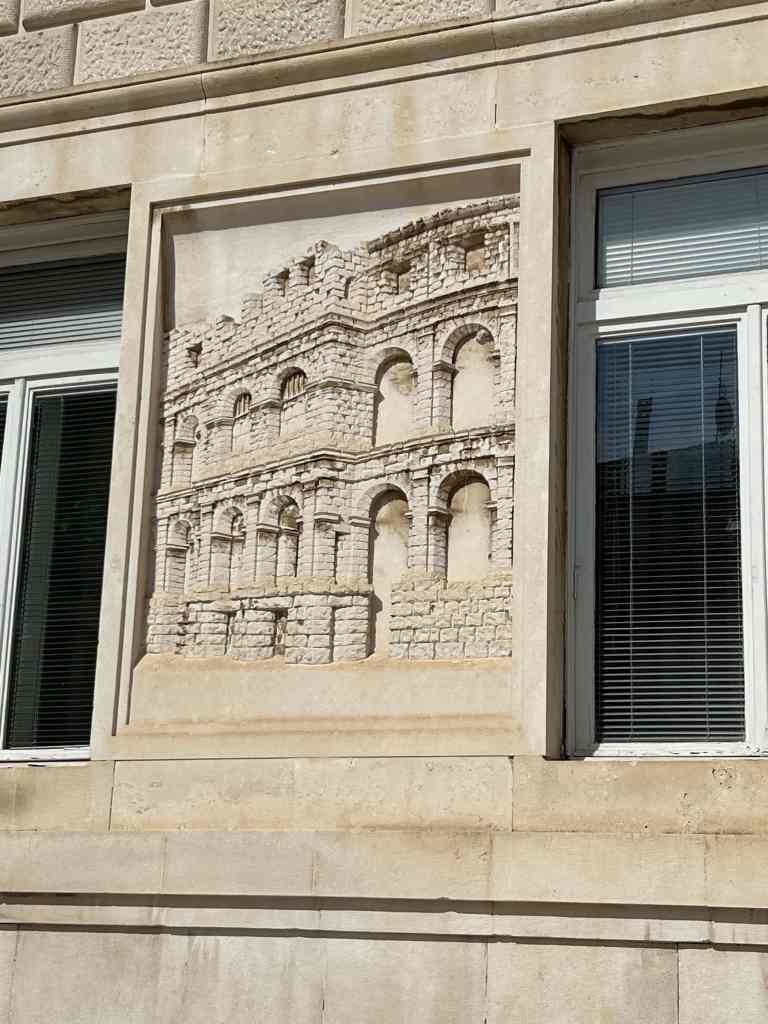
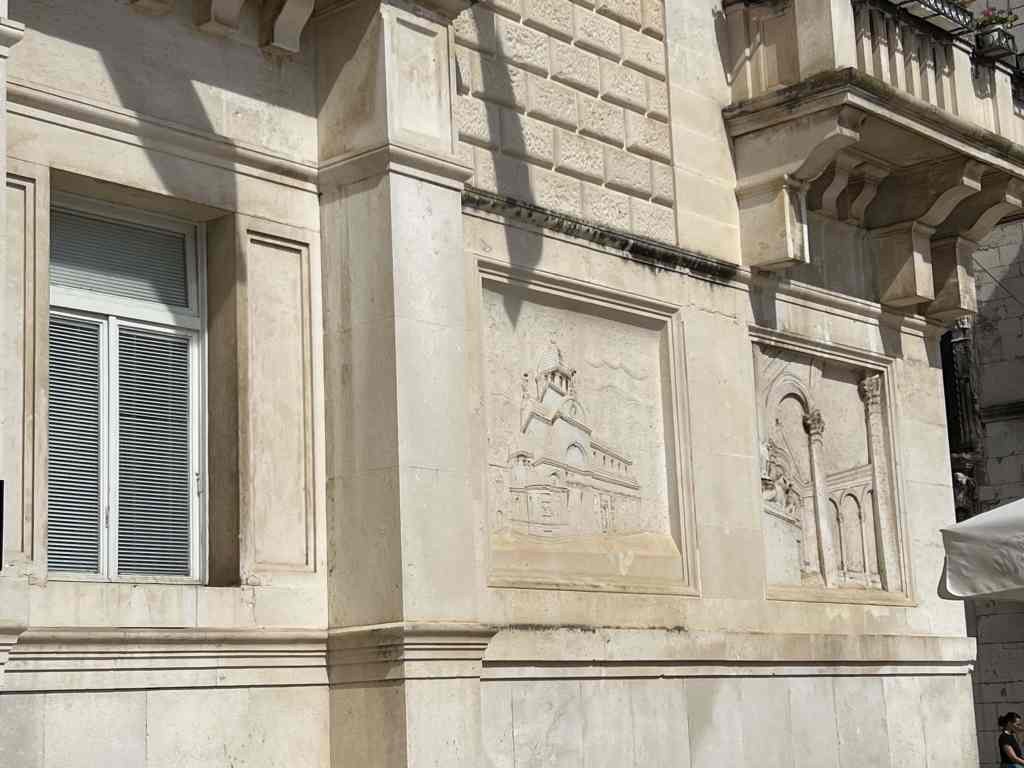
Zadar is a really neat, living city. There are definitely tourists here, but it doesn’t feel nearly as overrun as some other towns we’ve been in. So much history here and historical pieces that are just a part of the city mixed in with newer buildings and such. Here are some impressive things we saw:

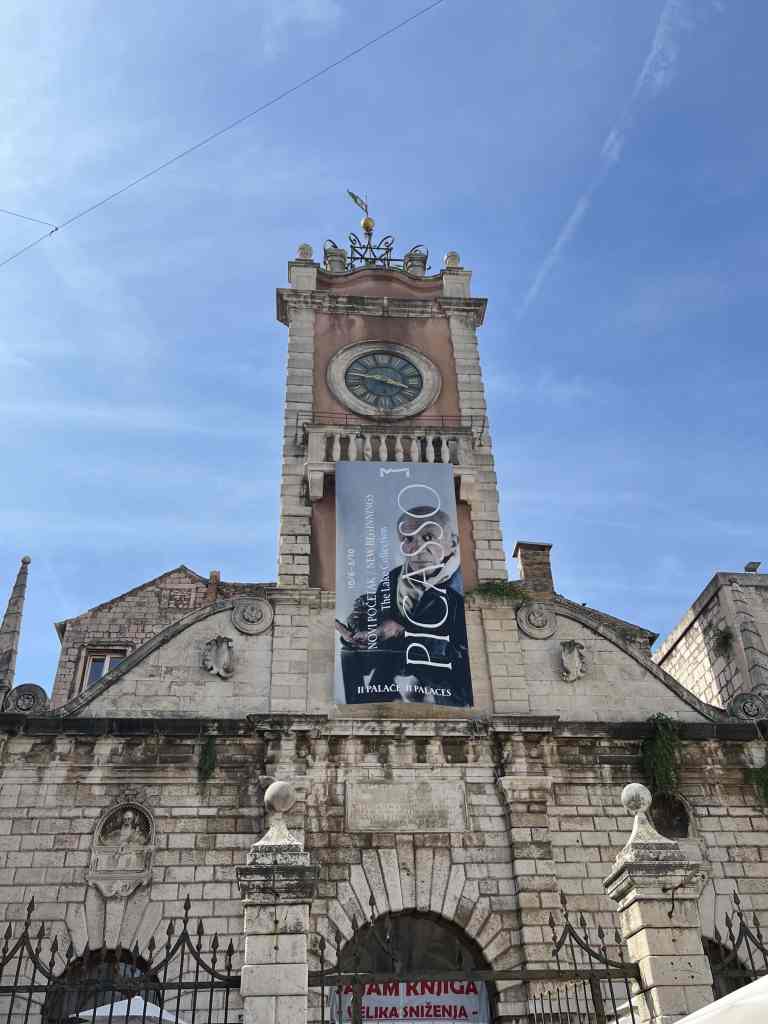
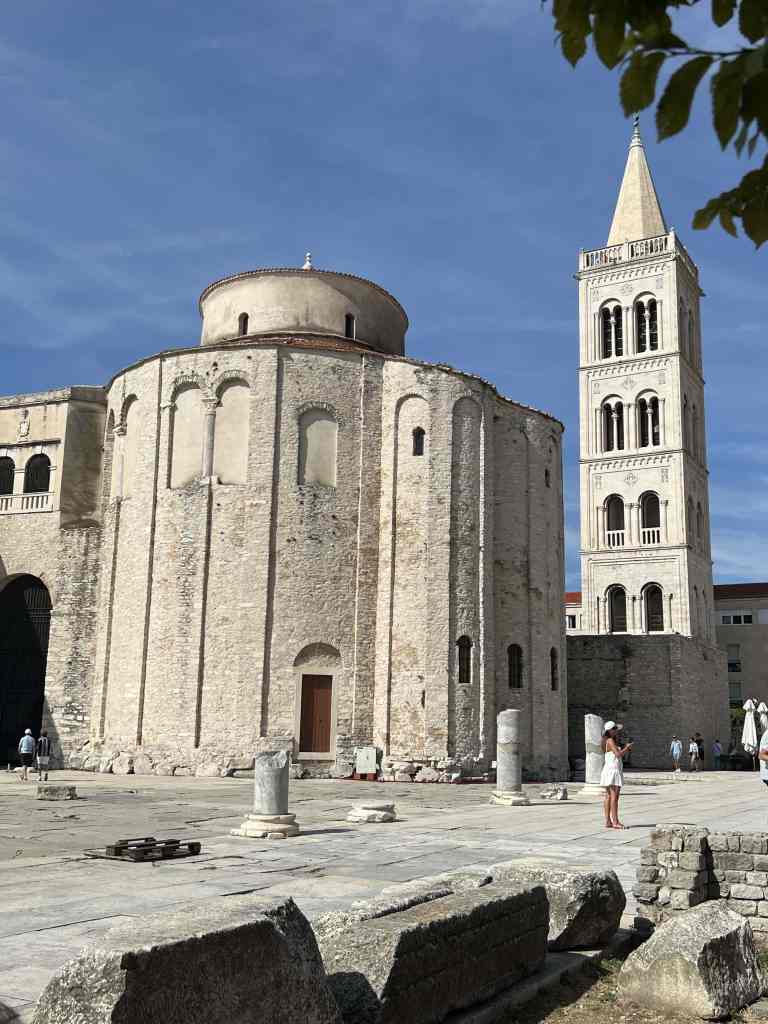

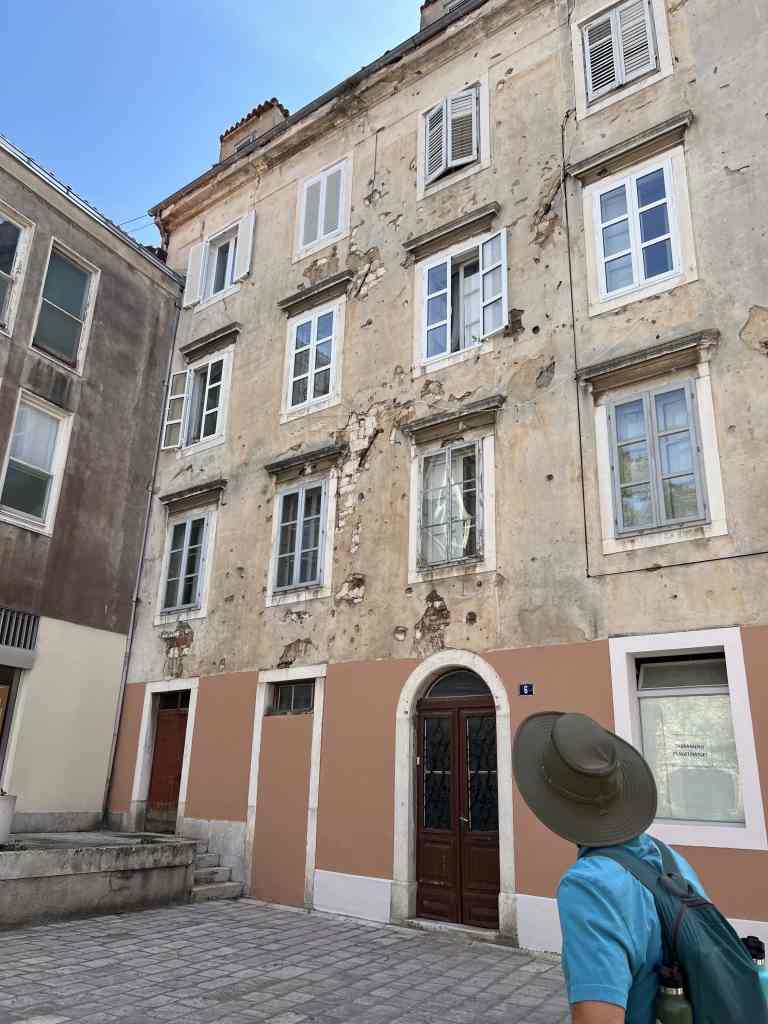
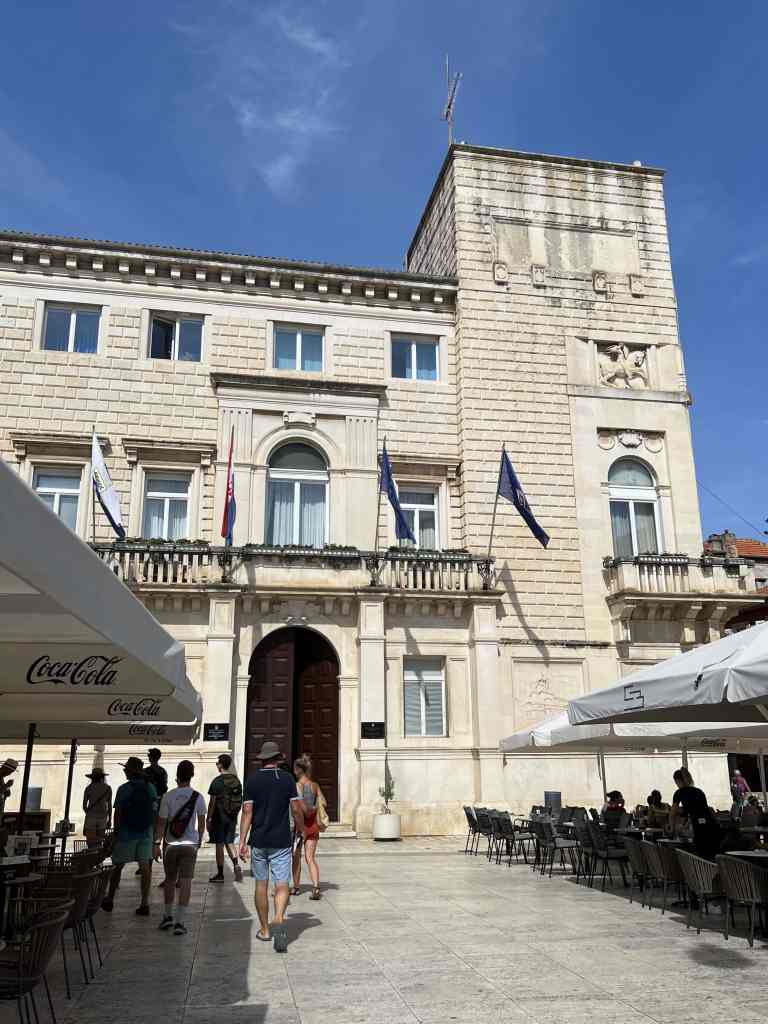
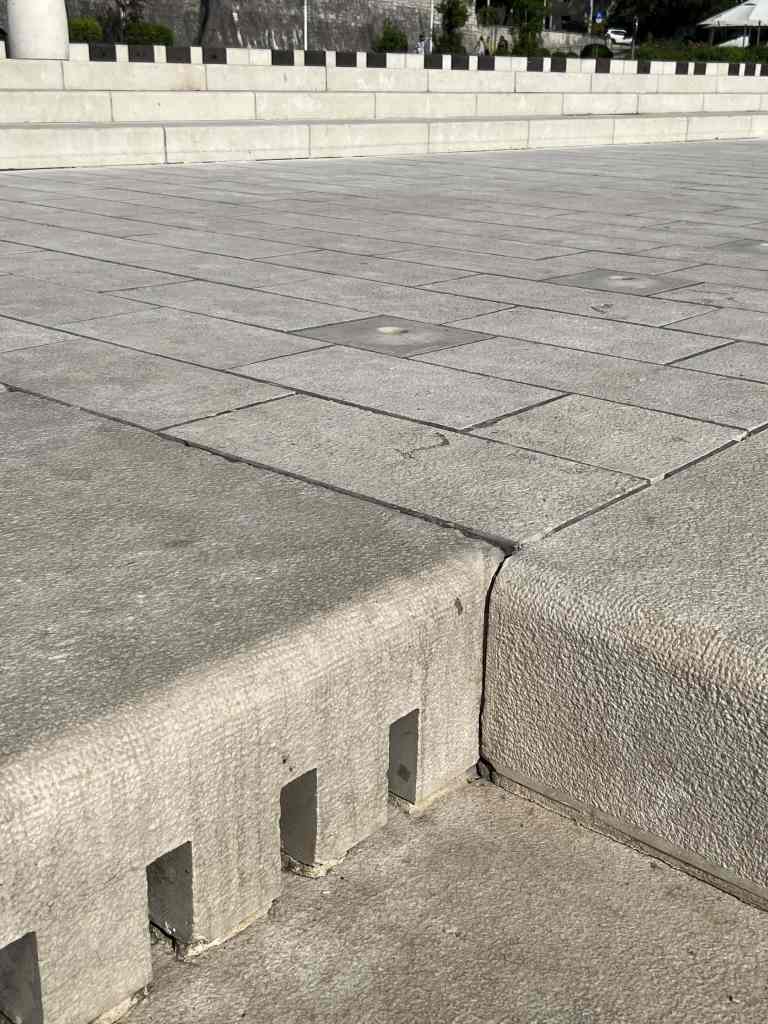
My favorite feature of the city was the Sea Organ. So neat! It stretches along the coastline of Zadar for about 70 meters (or 76 yards). 35 pipes of various lengths, diameters and slopes have been installed underneath the level of the lowest tide, so music is made from the motion of the waves and tides. I could have sat there all day to watch and listen. Check it out at the link above!

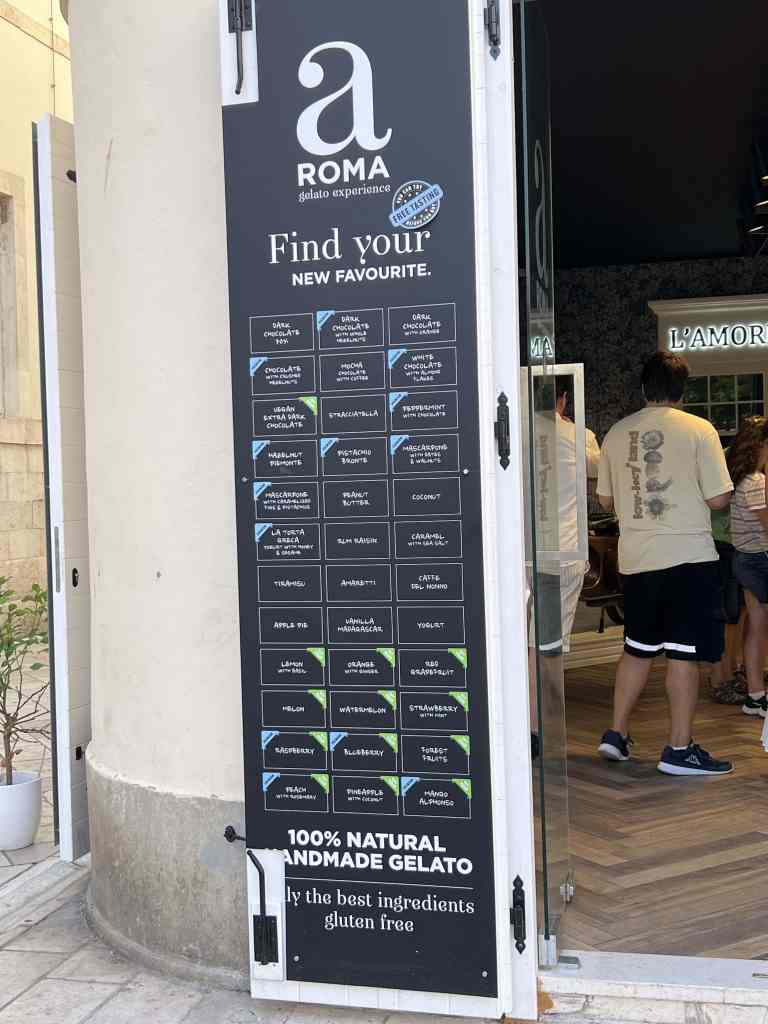
Another awesome feature was an amazing gelato place that actually had mint chocolate chip! First gelateria to have it yet. (It’s a favorite for all of us so was very exciting and delicious.) Great way to end the afternoon. 🙂


 Sailing Sabática