
Ok, so it’s official. We really love Spain. Madrid and Barcelona were already our two favorite cities in the world, but now after spending two months on land in Spain’s southern region of Andalucía, we can emphatically say we really love this part of the world.
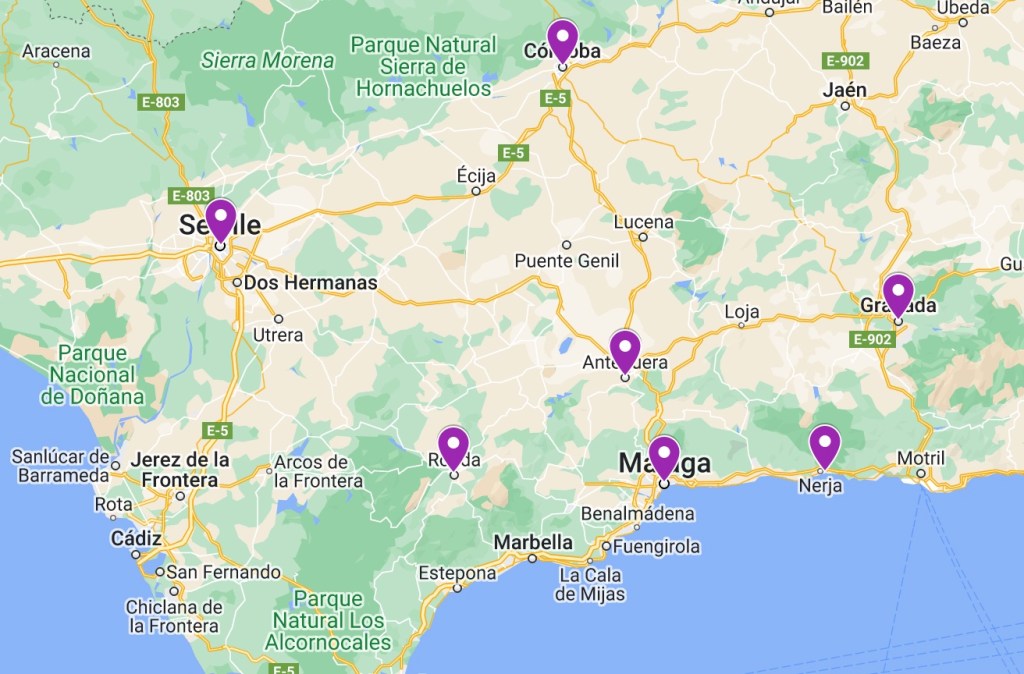
Each city will deservedly receive its own blog post, but in a nutshell:
- We enjoyed living like locals in the charming “white town” of Antequera.
- We took in the grand splendor of the famous Alhambra in Granada.
- We enjoyed the beautiful views in Ronda.
- We absorbed great history, flamenco and orange wine in Sevilla.
- We experienced the fun energy of Christmas and Carnaval celebrated in Málaga.
- We were amazed by the stunning Mosque-Cathedral and buzz of Córdoba.
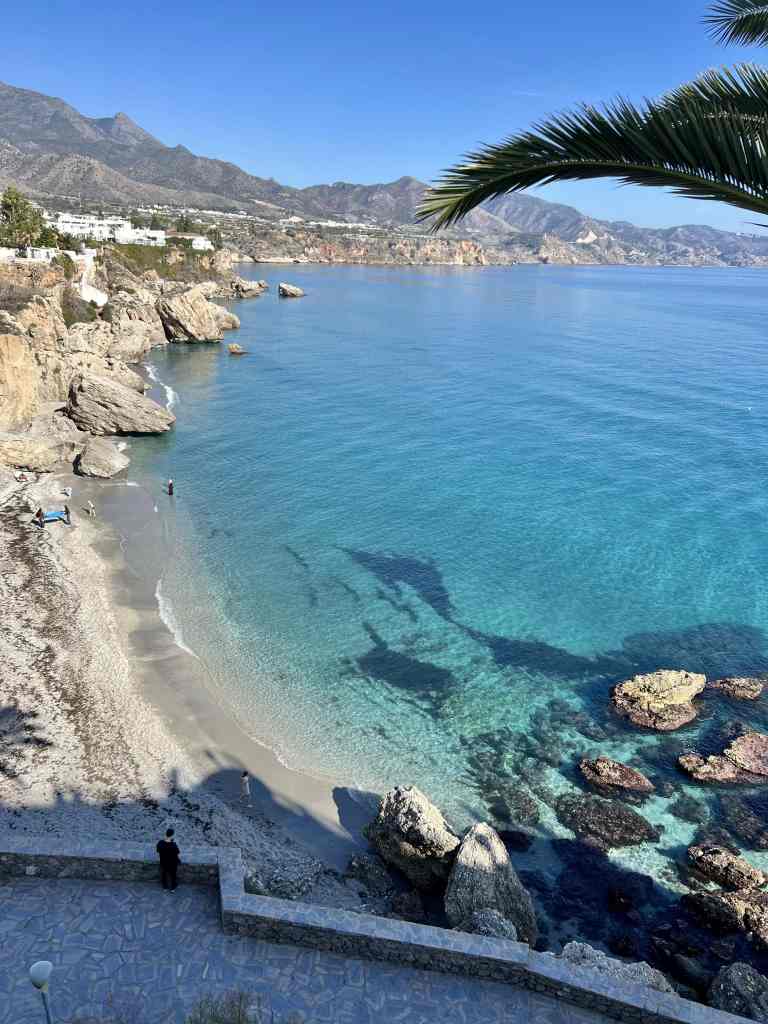
- And, we loved the beautiful, relaxed coastal town of Nerja.
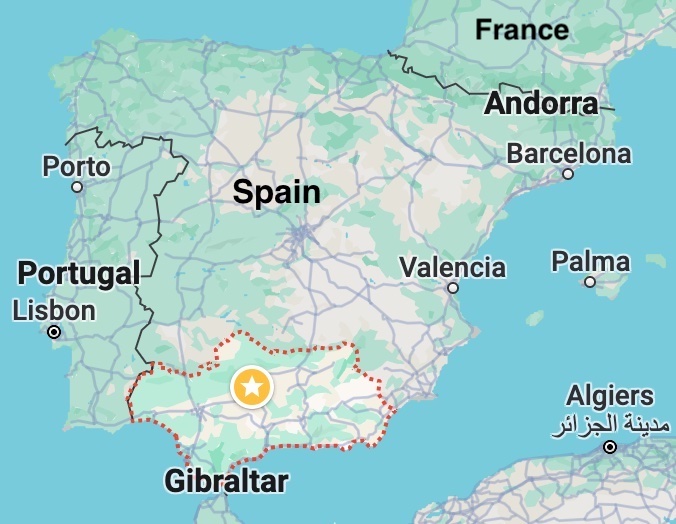
So what do we love about Andalucía so much?
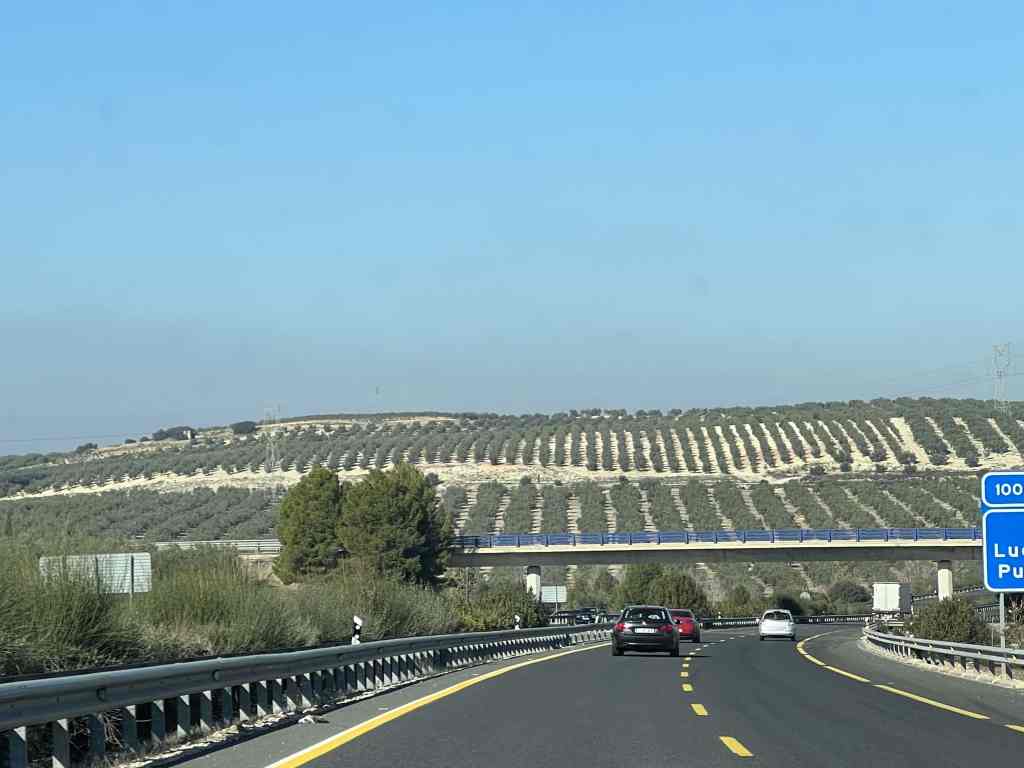
It’s beautiful. You have the famous Costa del Sol coastline, grand mountains, Moorish influence that leaves its mark on amazing buildings and cities, beautiful Spanish architecture and design, and literally endless olive groves covering the land in between cities that you can smell as you drive by. In many of its cities you can wander around the historic centers, get lost on the small streets, and round a bend to find yet another beautiful church, square, or garden. The Spanish know how to create wonderful spaces. The roads are great. And, it is also so clean, which we appreciate. 🙂

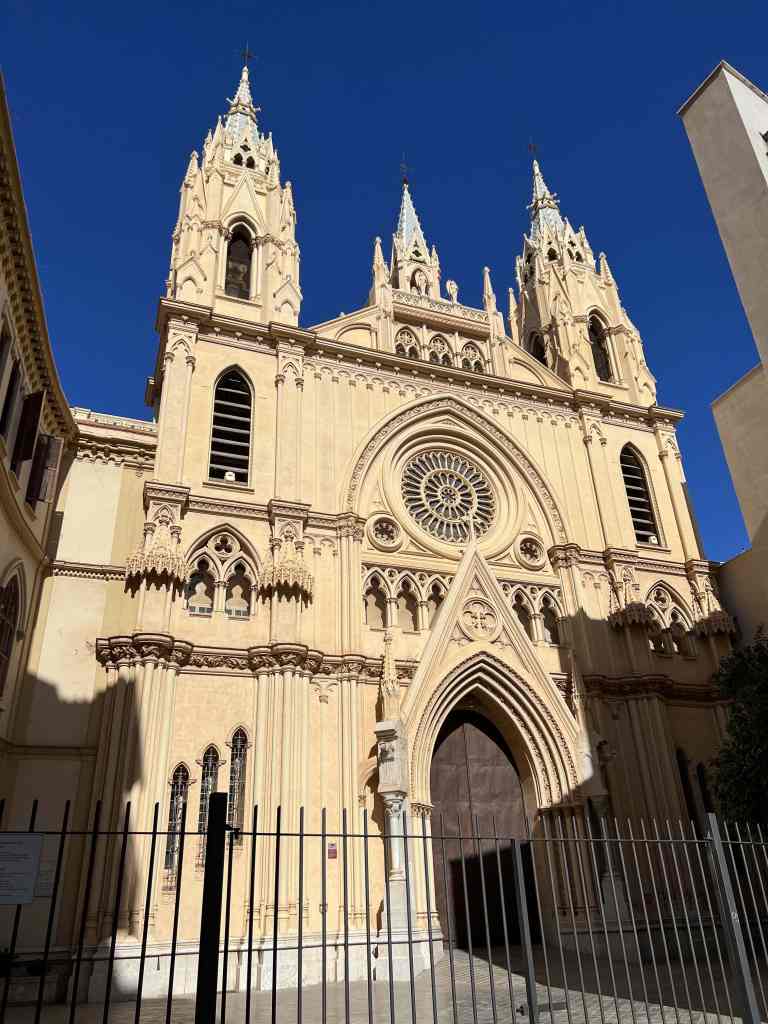
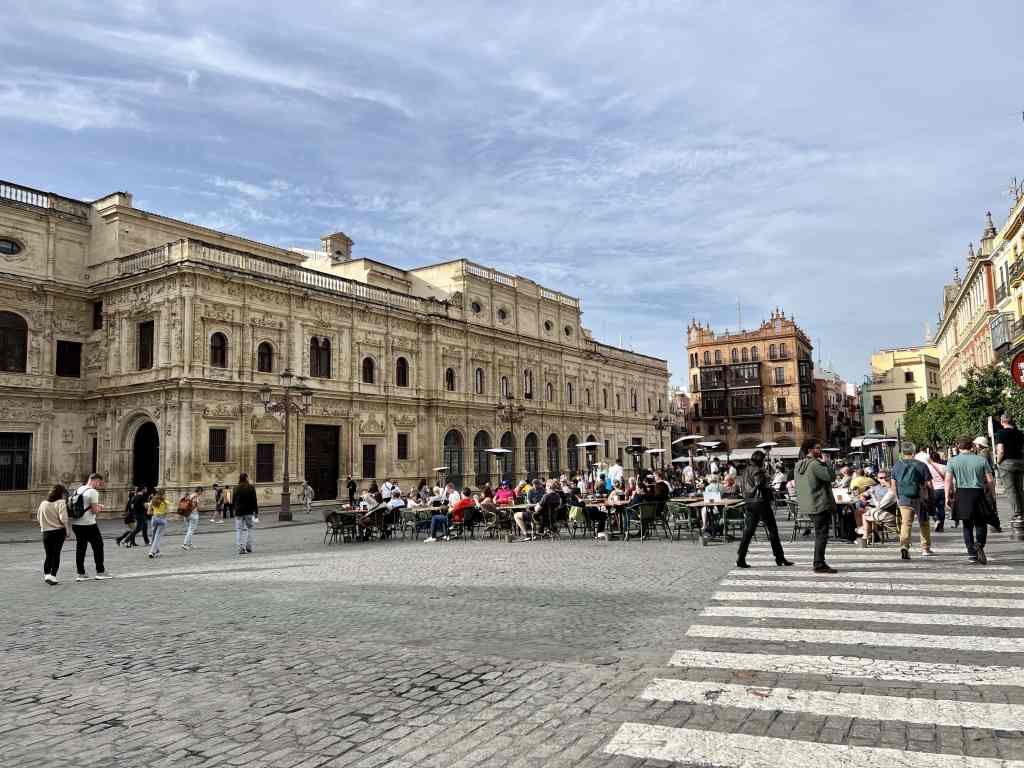
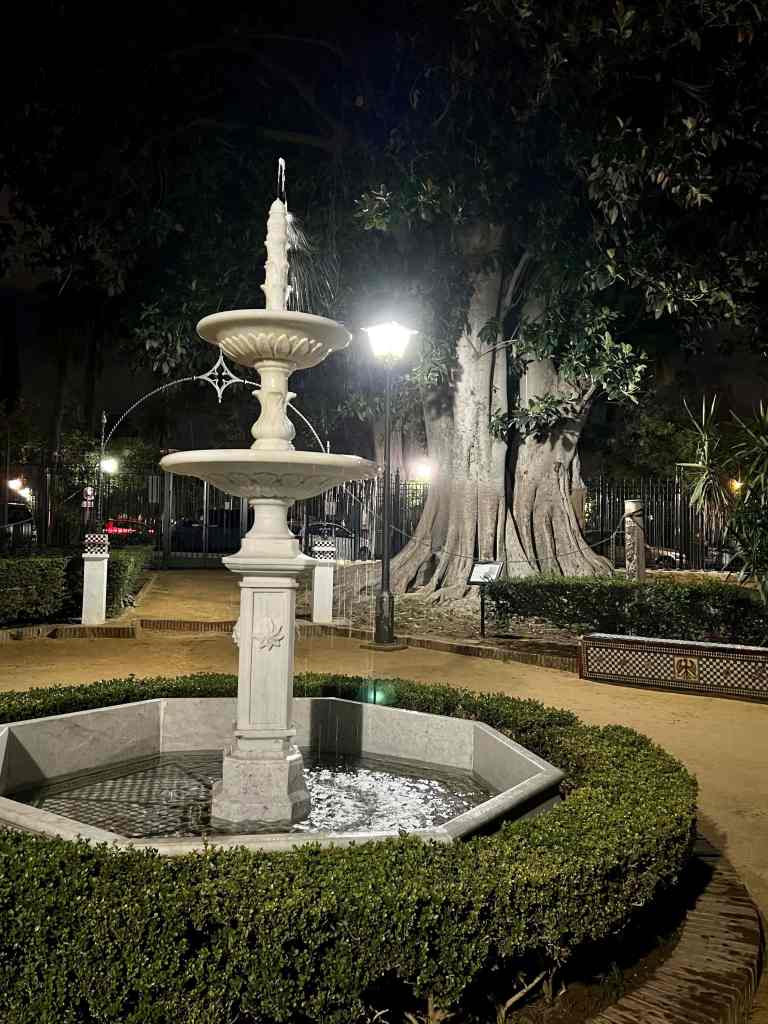
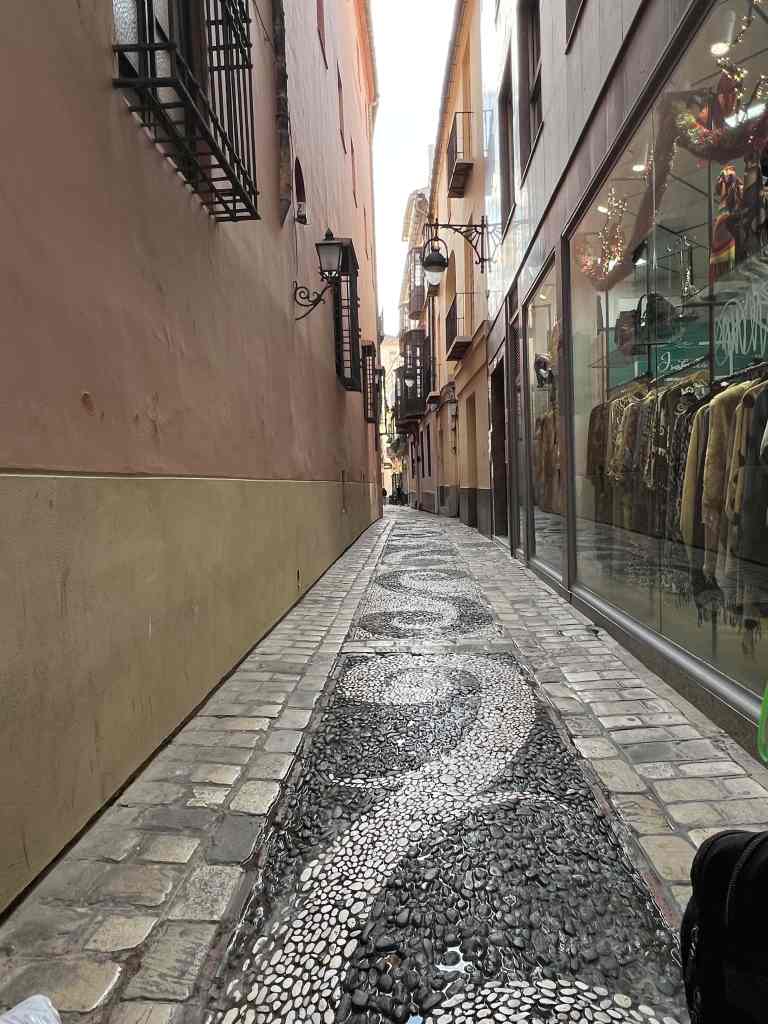
Clever design. I will say that I am one who appreciates great design. Many clever features were adopted from the Moors who built up cities here over a 1,000 years ago. In addition to adding function or beauty, many of these features were completely designed to help fight the heat of summer.
- Crooked streets? That way your military enemies can’t see you coming around the corner.
- Narrow streets with relatively tall buildings? With such a setting, there is little direct sunlight and lots of cool shade.
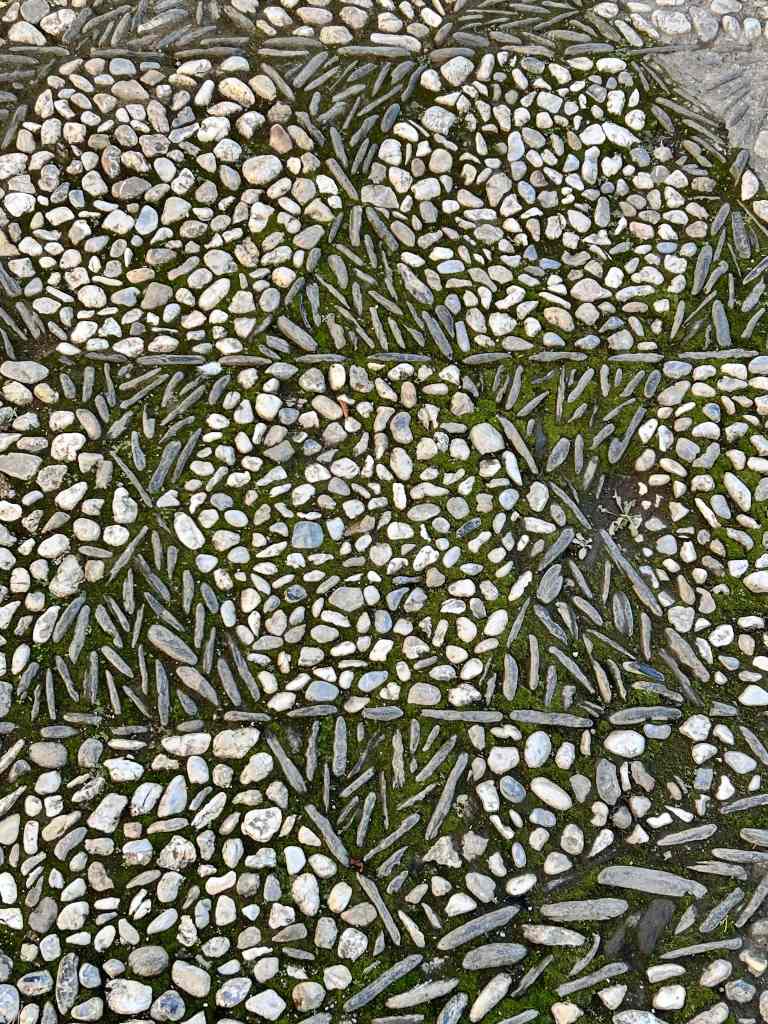
- Stone pathways? Not only beautiful, but useful. When it rains, the water sits in the crevices so you aren’t stepping in puddles. We’ve heard conflicting info about their other purpose – either the water drains away so bugs aren’t attracted, or the water stays put and helps cool things down in the summer heat.
- Ceramic tiles? They add beauty, tell stories, operate as signs for those that don’t read, keep floors and walls cool, and are extremely durable.
- Endless orange trees? They are beautiful because they are evergreen, have colorful winter fruits, and lovely white spring flowers. As evergreens, they provide shade all year round. The white flowers are incredibly fragrant which provides a welcome perfume to the air when the warming temperatures cause the sewage (in ancient times) to begin to smell. The tree variety is actually that of bitter oranges. You don’t want to eat them, but that variety does not attract bugs. The Sevillanos have figured out how to make many products with these oranges, including wines, cosmetics, and marmalade that used to be delivered directly to the Queen of England.
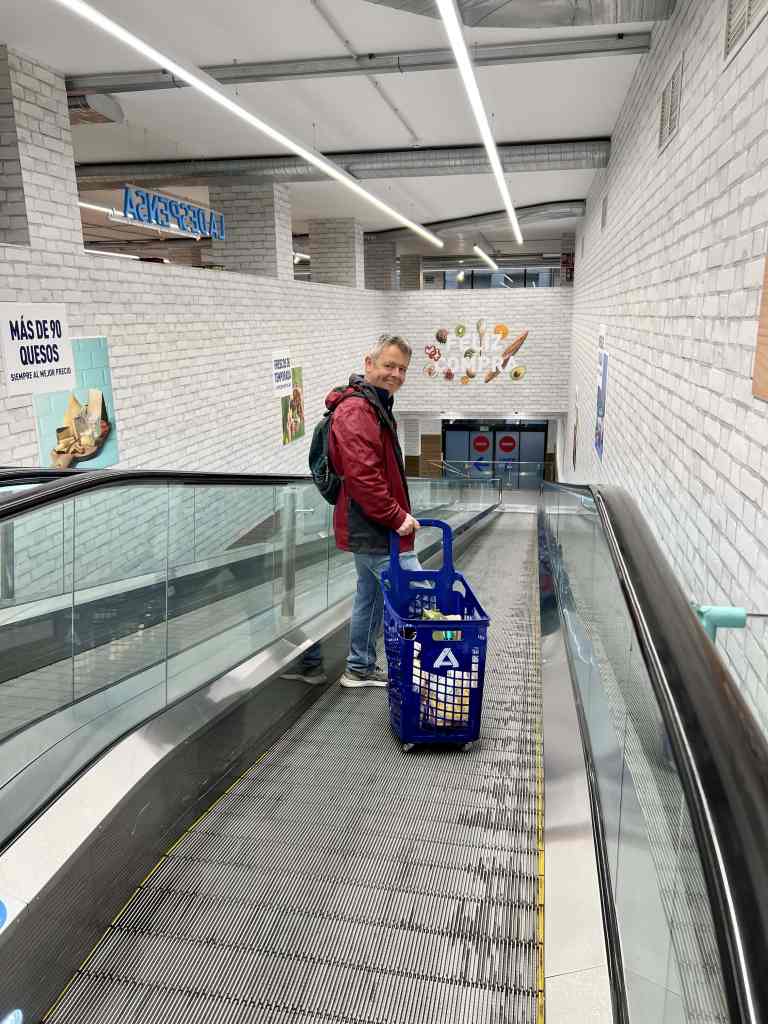
- Modern cleverness can be seen all around as well – smart parking garages, multi-level grocery stores, and trash cans held in place by restaurant tables to prevent litter. Things are so organized and easy.


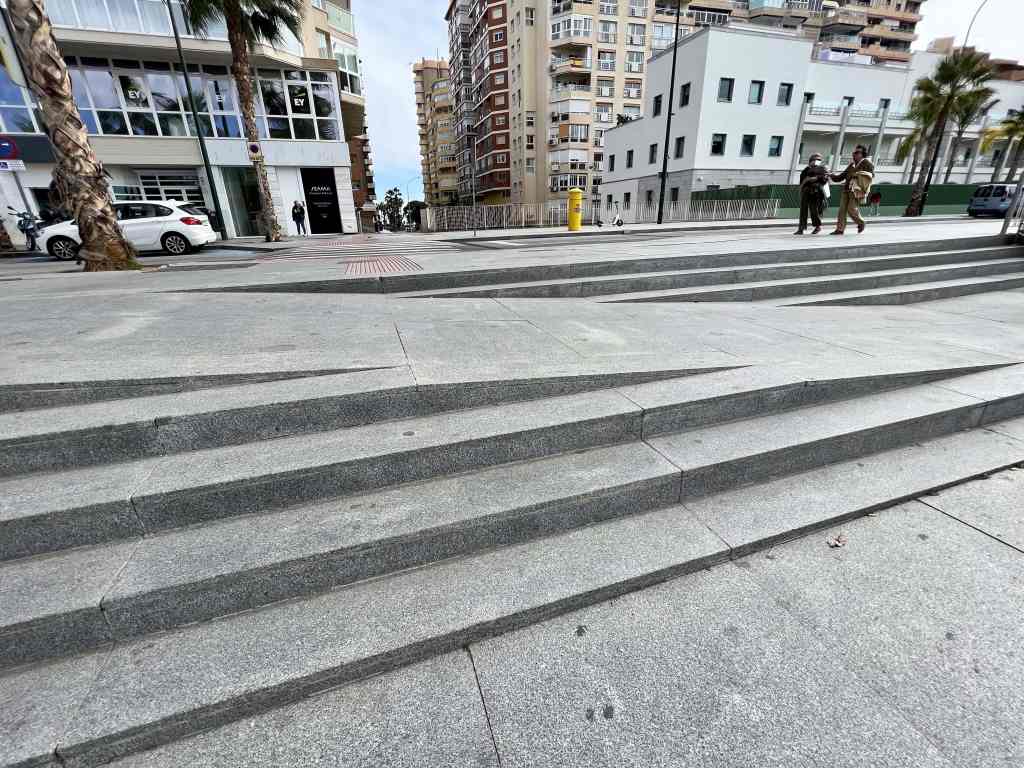
The people. The Andalucíans are generally friendly, laid-back, and quite welcoming to tourists. Unlike in some other popular continental European countries, I always felt completely welcome, safe, and relaxed. There was no outward judgement or disdain. And even though it was obvious by our pigeon Spanish that we were English speakers, locals were happy to let us practice and teach us the correct way of saying things, always with a smile. The Andalucíans were also the most considerate people I think we’ve ever encountered on this planet. They are extremely courteous drivers on the roads, and every car anticipates stopping for pedestrians. That was amazing. When they walk their dogs, they even carry around water bottles so they can squirt away any area their dogs may happen to pee upon. Finally, I feel that Spain and its people are classy without pomp nor pretension. That suits my and Conor’s sensibilities perfectly. Oh, and plenty of Spaniards are short, so I fit in really well. 😉
The lifestyle. In our book, the Spaniards have it figured out. Don’t stress, relax, take your time, enjoy the company of family and friends, and celebrate life with many fiestas. Eat large lunches, nap, and eat small dinners. Largely driven by heat, but also by their unusual alignment of time zones (they are an hour later than all the other countries geographically similar), the Spanish siesta allows for taking a break during generally the hottest time of day. Conor has adopted this whole-heartedly, just on principle. A large “menu del dia” (three course menu of the day) is common at restaurants and lunch is typically at 2pm for locals, followed by a lighter dinner of tapas starting around 9pm or later. We never got used to super late dinners, but everything else we didn’t have a problem with. 😉
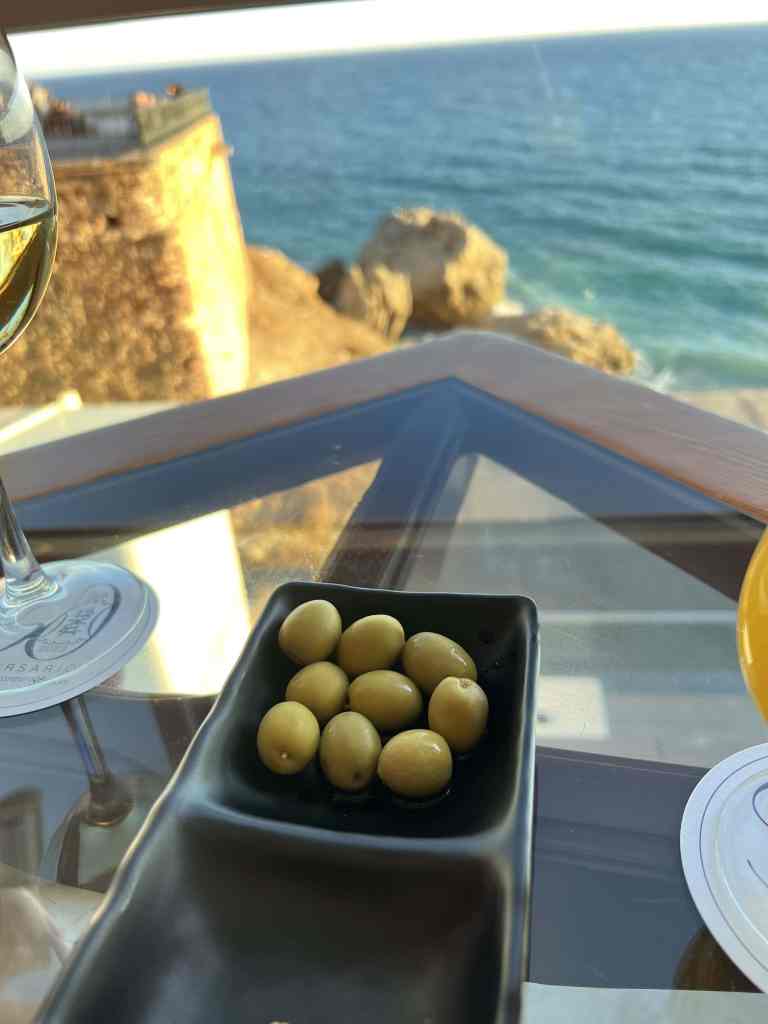
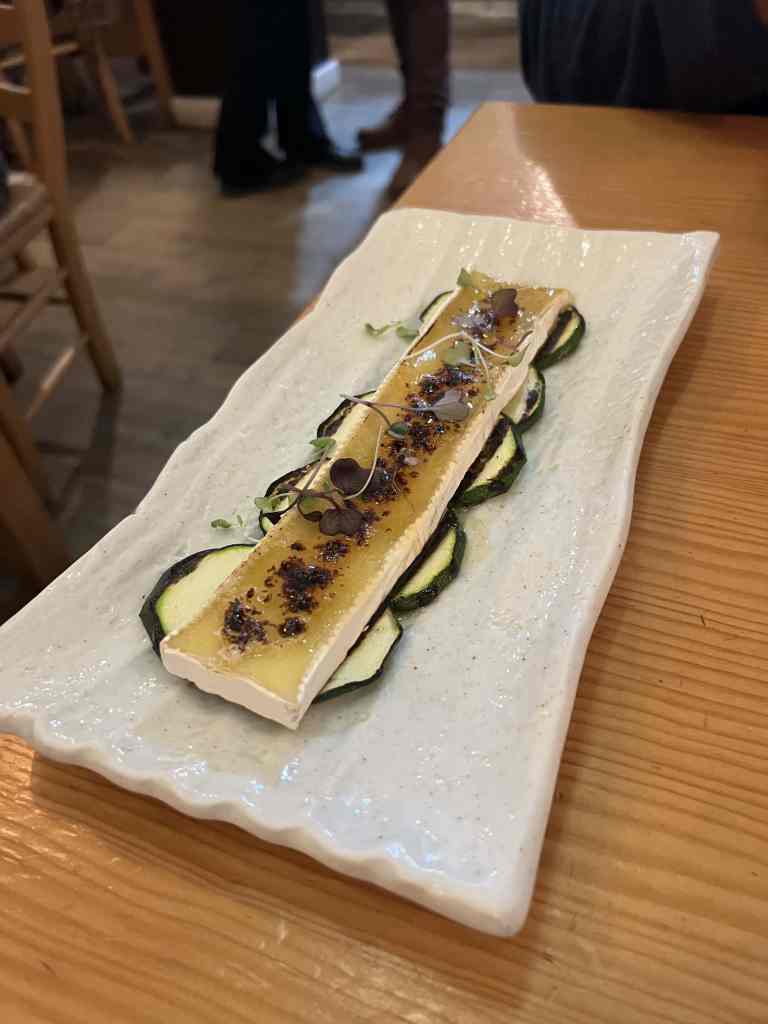
Food and drink. Spain makes great wines, which are cheaper than water. And beer is the standard, more common than water. But speaking of water, it’s great that you can drink the tap water everywhere, and restaurants will even serve it to you if you ask. (This doesn’t happen in many other countries we’ve visited.) They take coffee seriously and have ten different ways you can order it. You will also see pork very prevalently. Iberian cured ham is a staple, and Spanish chorizo is the best. Interestingly, we learned the reason for so much pork – in the dark days of the Inquisition, Christians would make a point to eat pork to demonstrate that they were not Jewish or Islamic. The habit stuck. Andalucía has great seafood, meats, paellas, and small tapas meant for sharing – some favorites include patatas bravas (fried chunks of potato topped with a somewhat spicy creamy sauce), tortillas (Spanish potato omelets), and gambas pil pil (garlic and chili prawns). Yum. An afternoon treat is churros dipped in thick hot chocolate. And don’t forget the olives. Did you know that Spain is the largest grower of olives in the world? You may have thought Greece or Italy, but no. I finally learned to like olives here. I think they are milder than the Italian variety, and restaurants in many cities would bring them out as a complement to your drinks. Finally, supermarkets are great. (In particular, we liked Mercadona stores.) Even in the grocery stores, the produce was plentiful and beautiful.

Fascinating history. For Skippy, the history buff, there were endless interesting places to see and lots of history to learn. Because of its position as a strategic peninsula and much like the story of Sicily, Andalucía was a core part of all the empires that ruled over it – the Carthaginians, Phoenicians, Romans, Visigoths, Moors and then Christian monarchs. Under the Moors, Andalucía was an area extremely rich in culture, seeing big developments in science, medicine and philosophy, all while the rest of Europe was experiencing the Dark Ages. Also during the Moorish rule, Christians, Jews, and Muslims lived together in relative harmony. Andalucía played a crucial role in Spain’s global culture as it developed its vast empire earning the nickname “the land where the sun never sets.” While Spain experienced an awful civil war in the early 20th century, it managed to remain neutral during the two World Wars. So much history and so many influences. They have all left their mark.
It’s inexpensive. Finally, a bonus of any locale is how affordable it is. Even in its most touristic areas, we found Andalucía to be incredibly inexpensive in accommodations, restaurants, groceries and goods. Wages are low in Spain, so locals may not find things as inexpensive as we do. However, there’s no denying a great quality of life.
So, in summary, we highly recommend a stay in Andalucía! Both Málaga and Sevilla have easy-to-reach airports. If you visit in the winter months like we did, it’s also not hot. 🙂 Stay tuned for more in-depth views into the wonderful towns we visited that make up this fabulous region!


 Sailing Sabática