
For the past two winters, we docked in Licata, Sicily. This winter, we chose Cartagena, Spain.
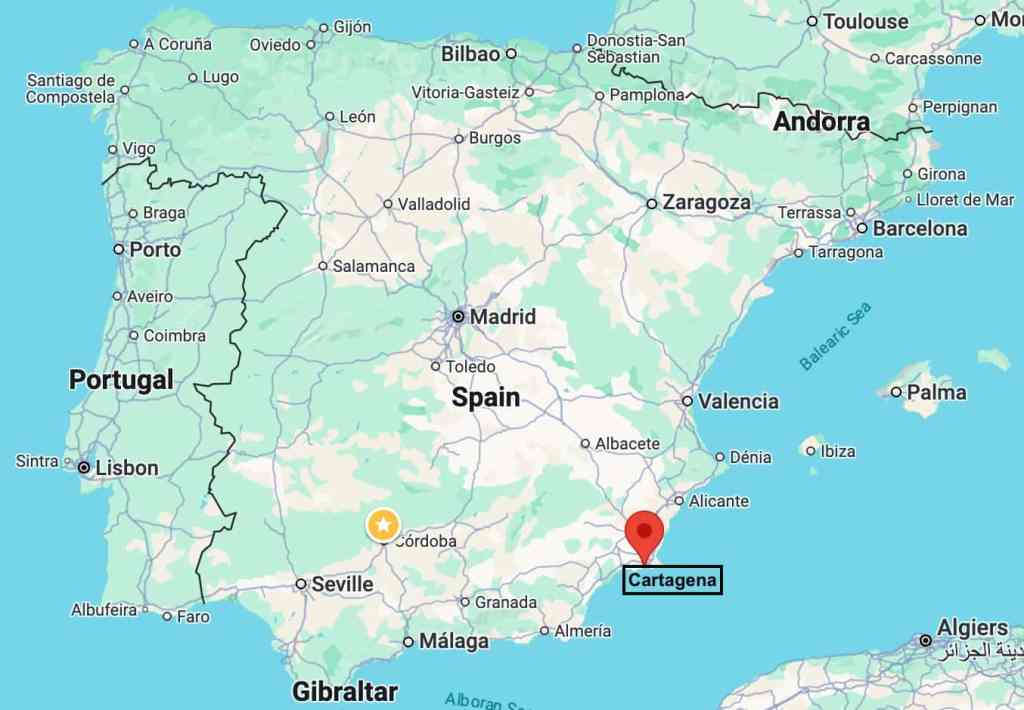
We arrived in September with Dad and Jeff, and over the past five months we have had a few visitors and some intermittent land travels. The longer we’ve been here, the more we’ve come to love it. Here’s why…
1. It’s very livable.
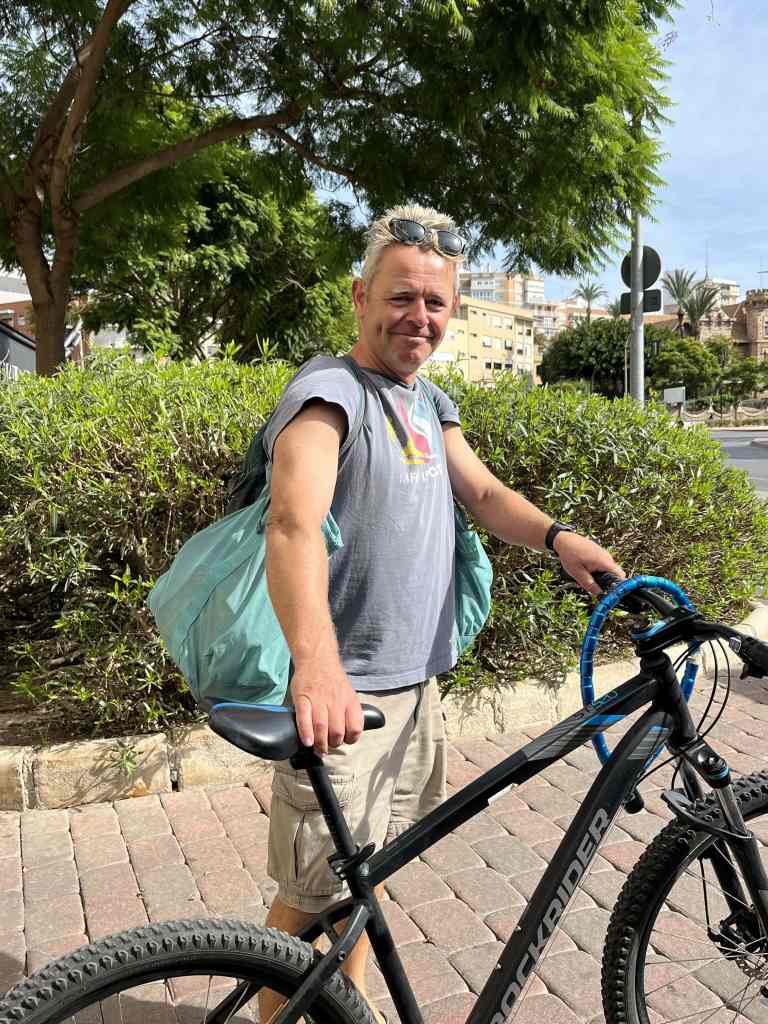
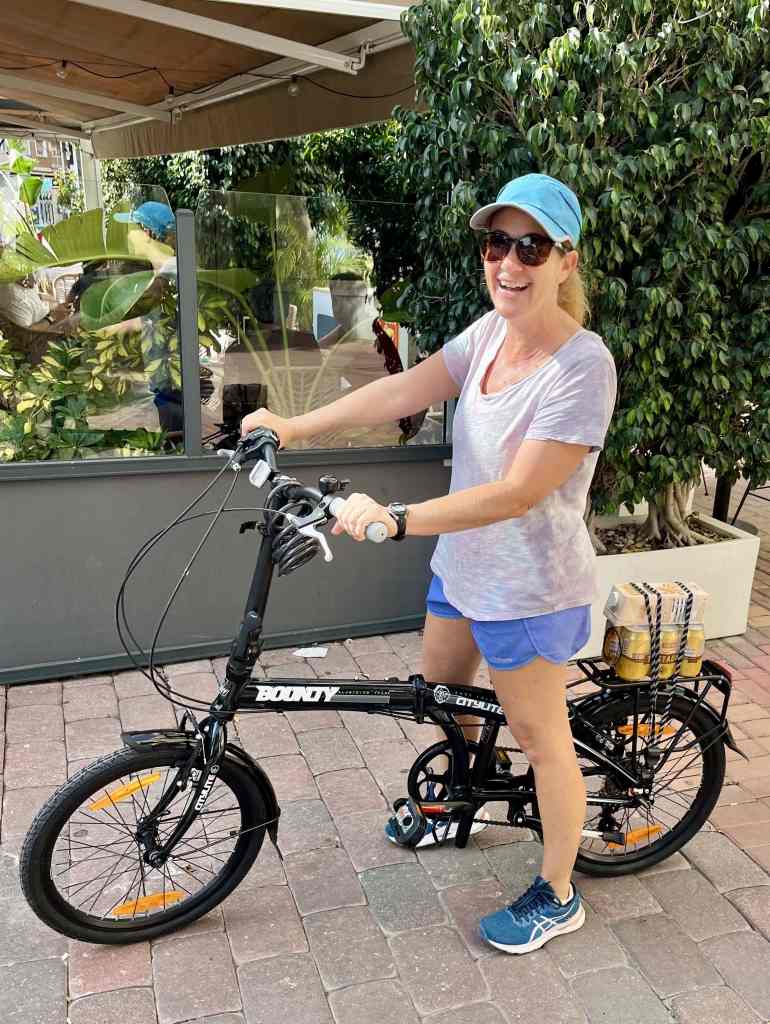
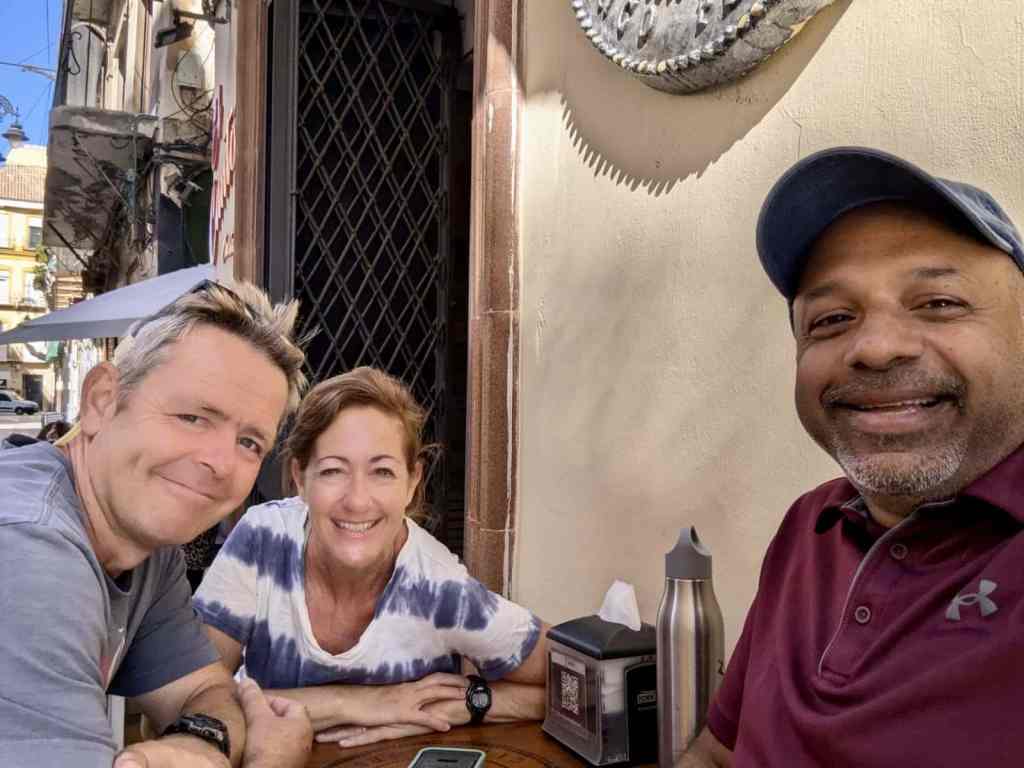
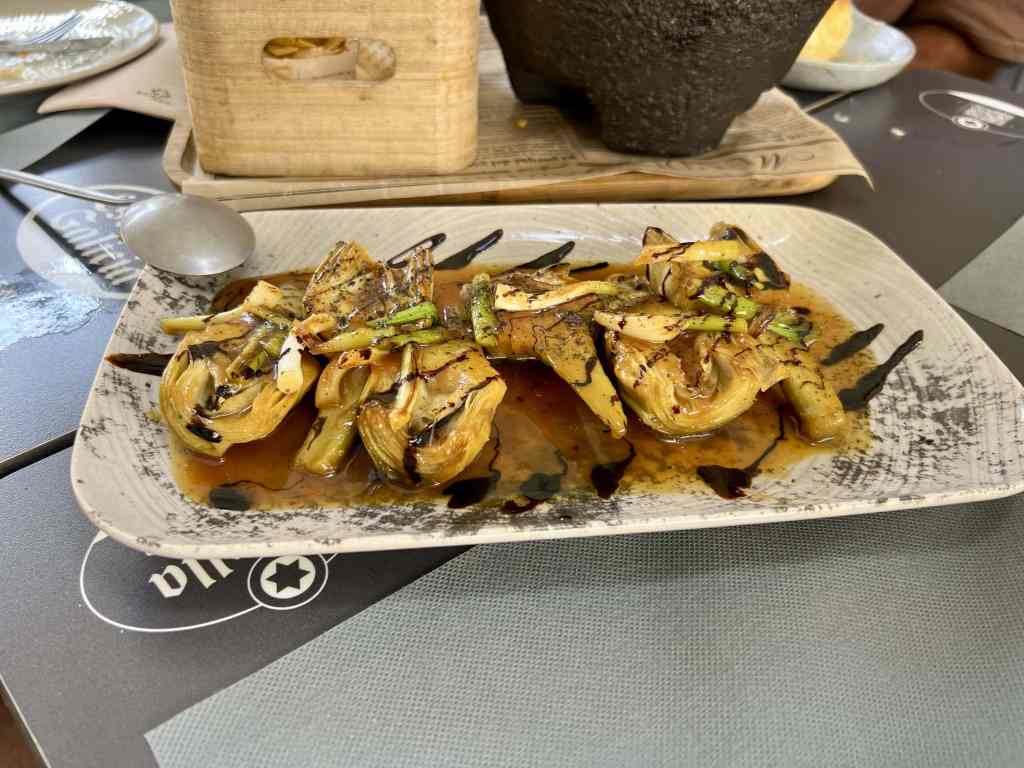
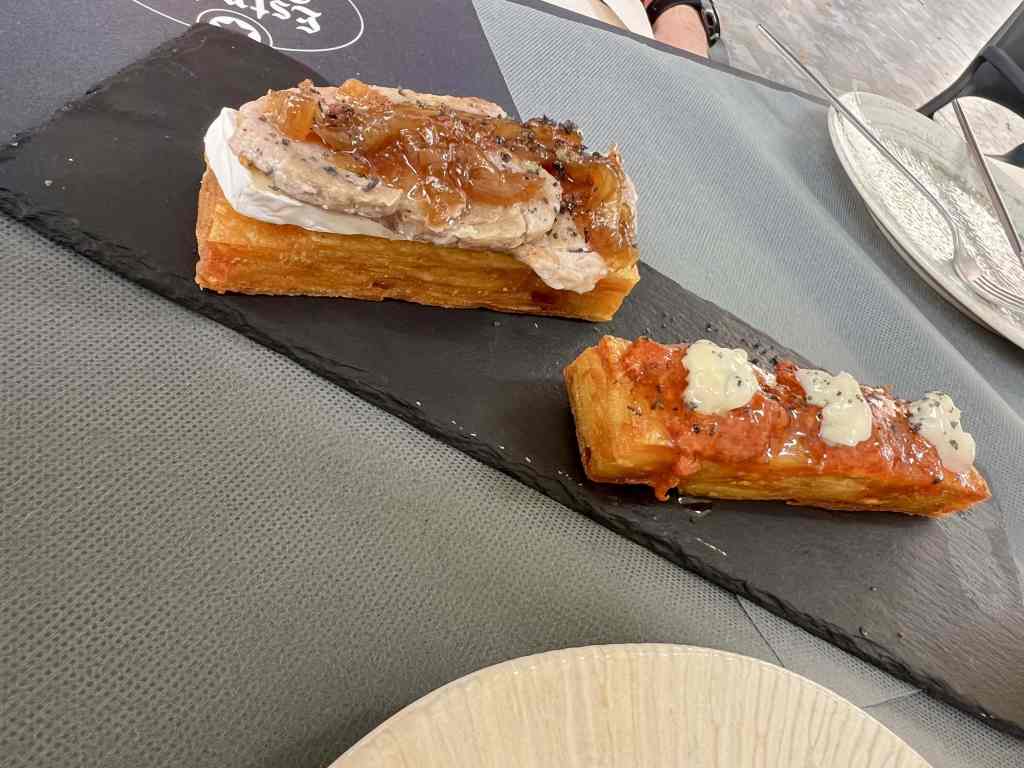
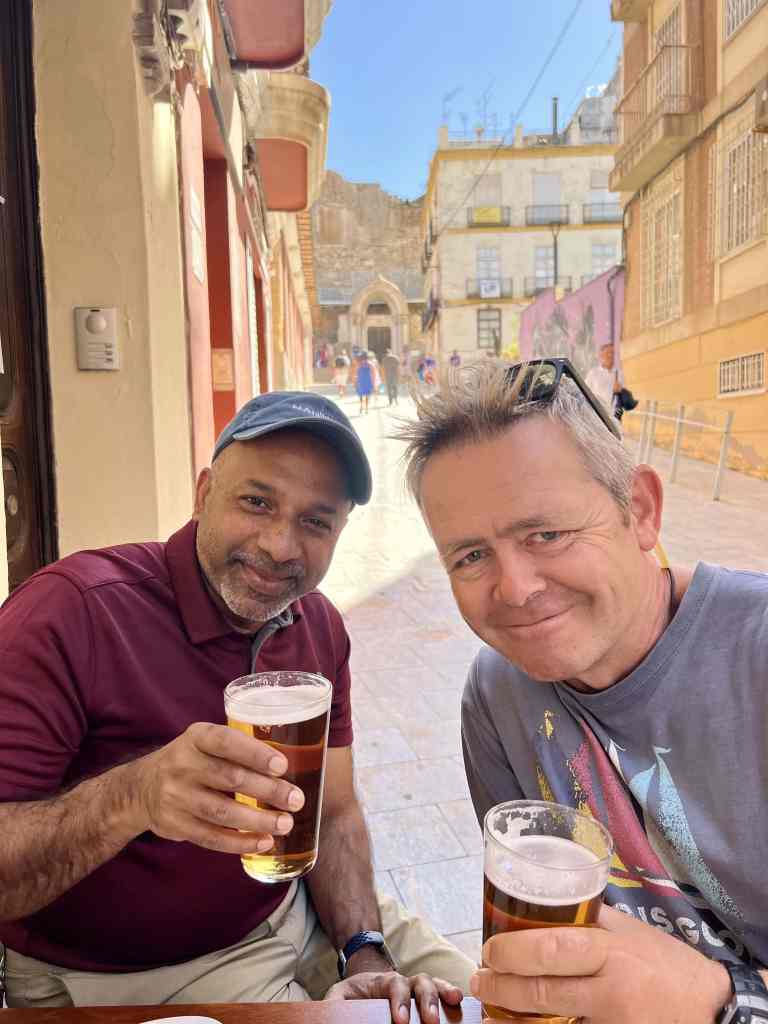
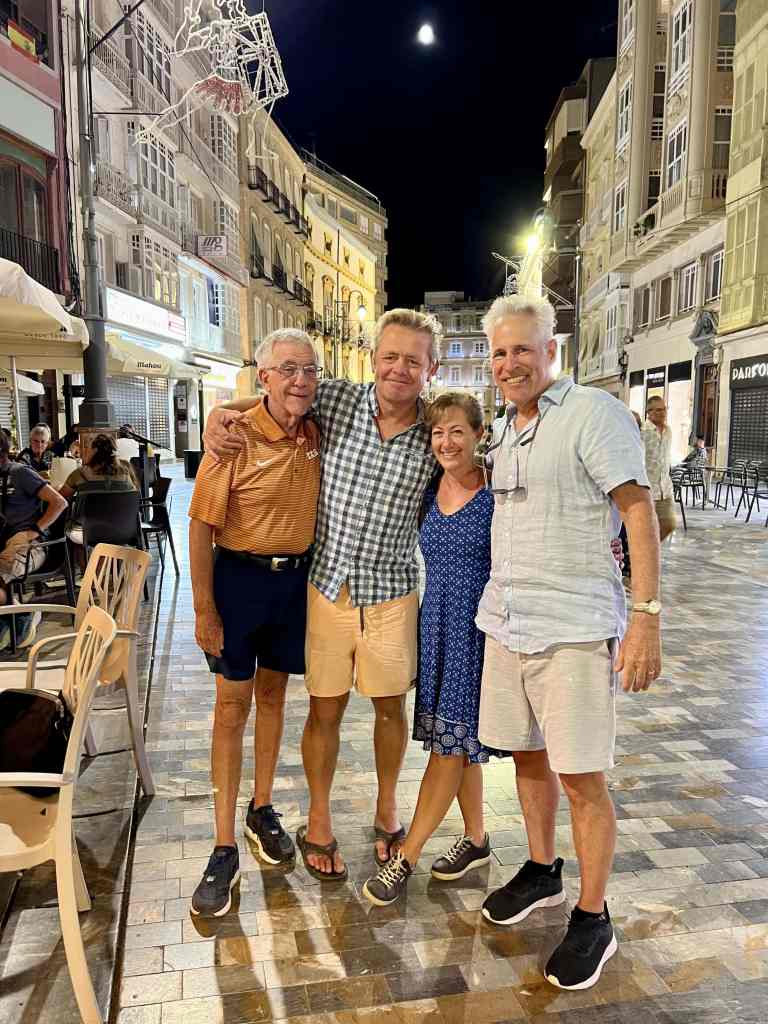
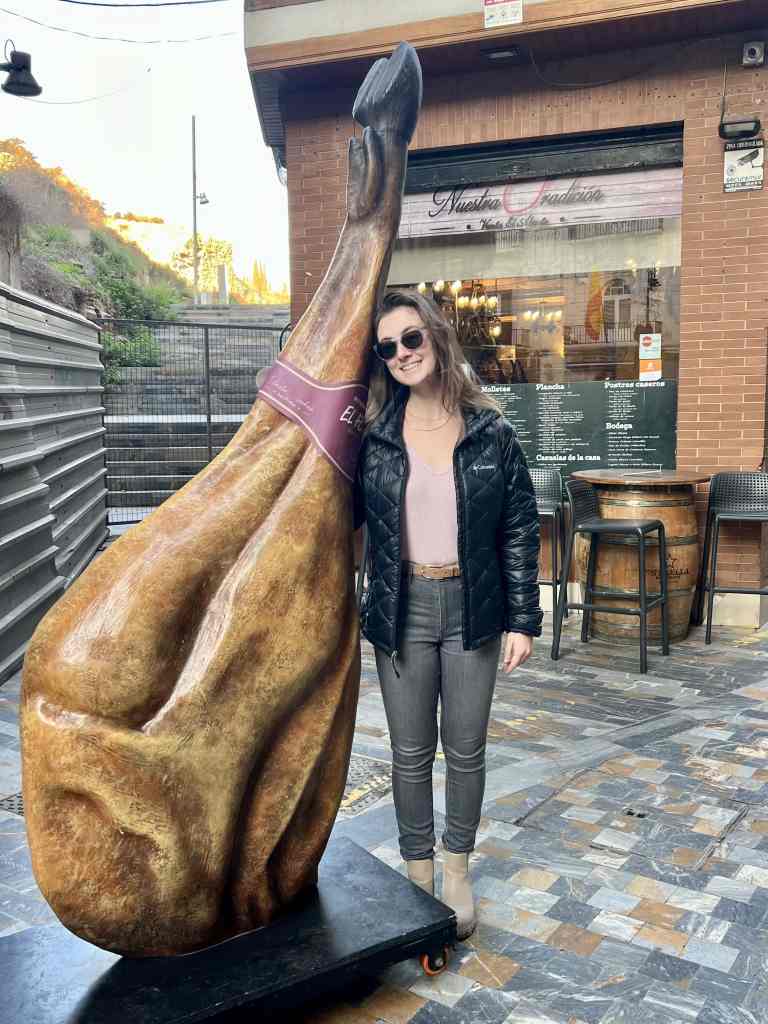
With a population around 212,000 people, we find Cartagena to be a perfect-sized city. It has everything you need, you can easily get around town, and it doesn’t have much traffic. In fact, it has a really large historic center that is mostly pedestrian, and it has a large number of bike lanes around town. It has plenty of restaurants and shops and is very inexpensive. It is not touristy at all, bar the cruise ships that arrive for a day at a time. There are tons of young families, the city is clean and always abuzz. Conor joined a gym, and I found a great walking route. We developed a routine for dealing with grocery shopping – Given the supermarket is about a 25-minute walk away, we ride our bikes, shop, then load Conor up as a pack mule for the ride back. 😉




2. It’s beautiful.
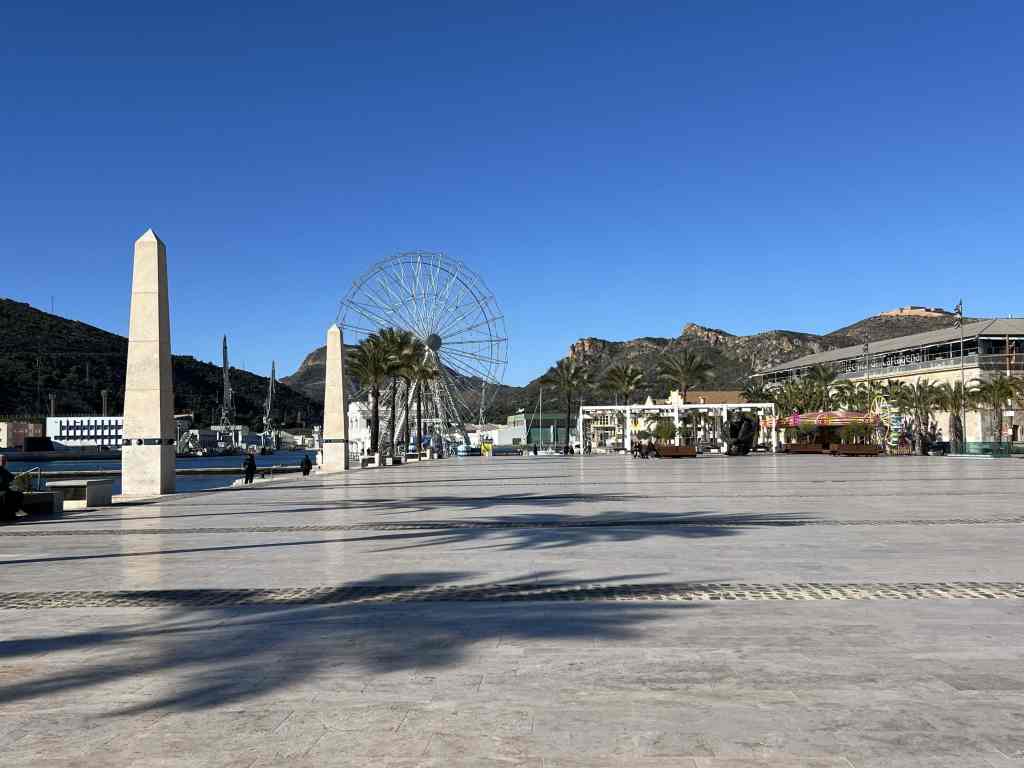
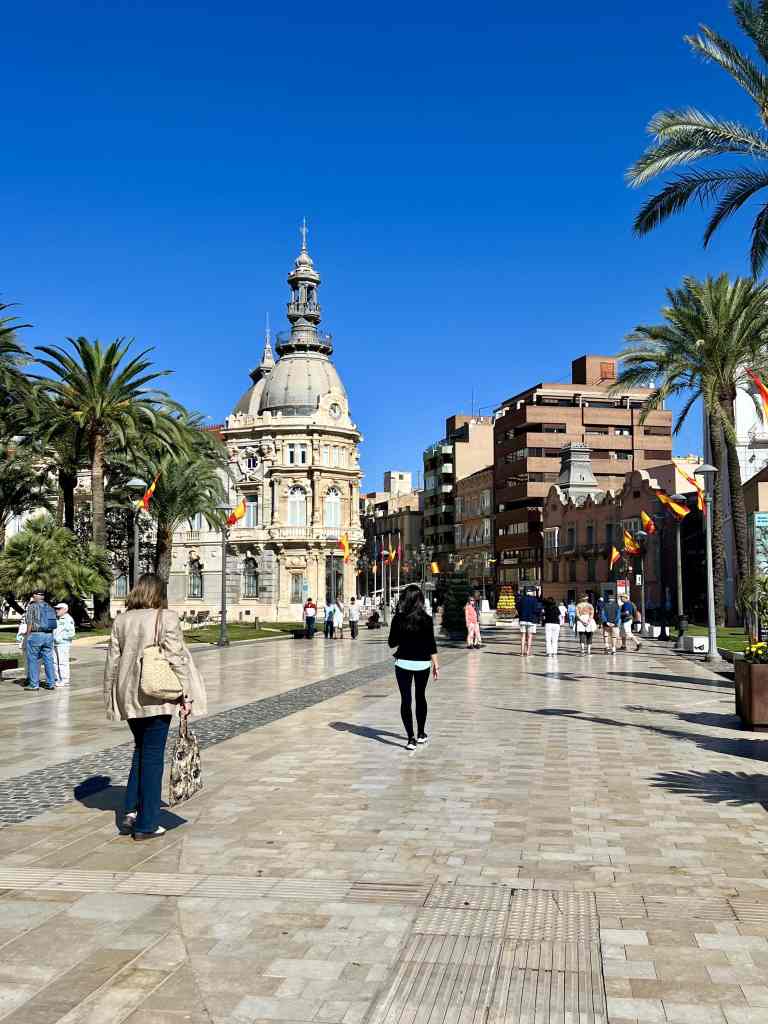
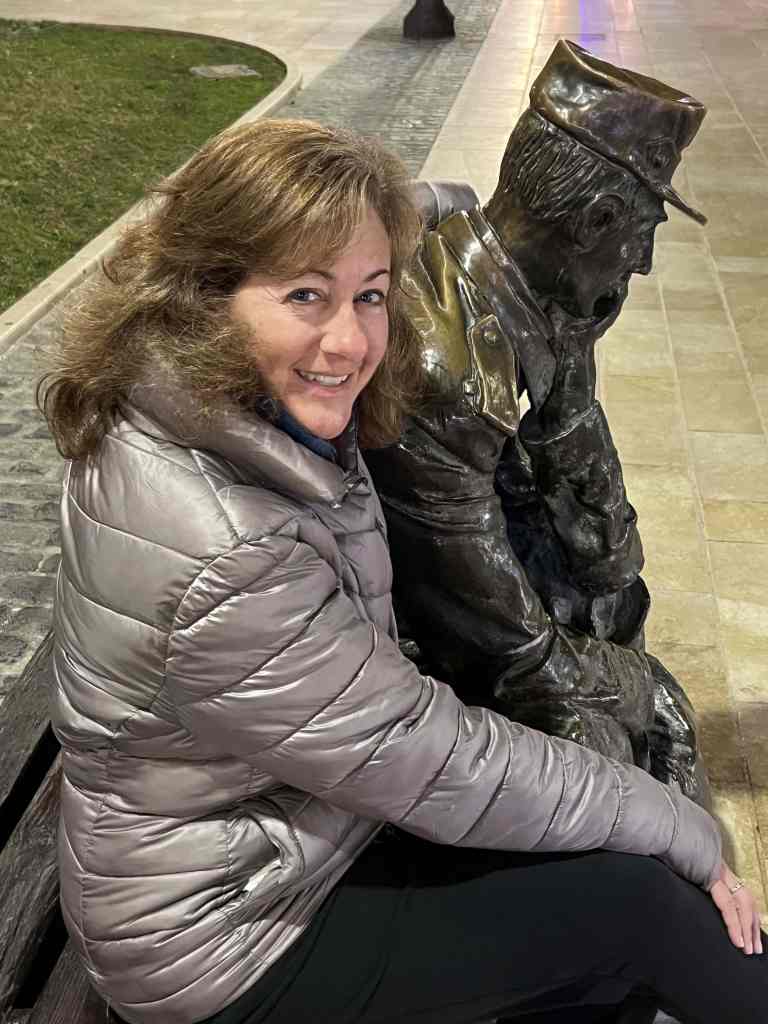
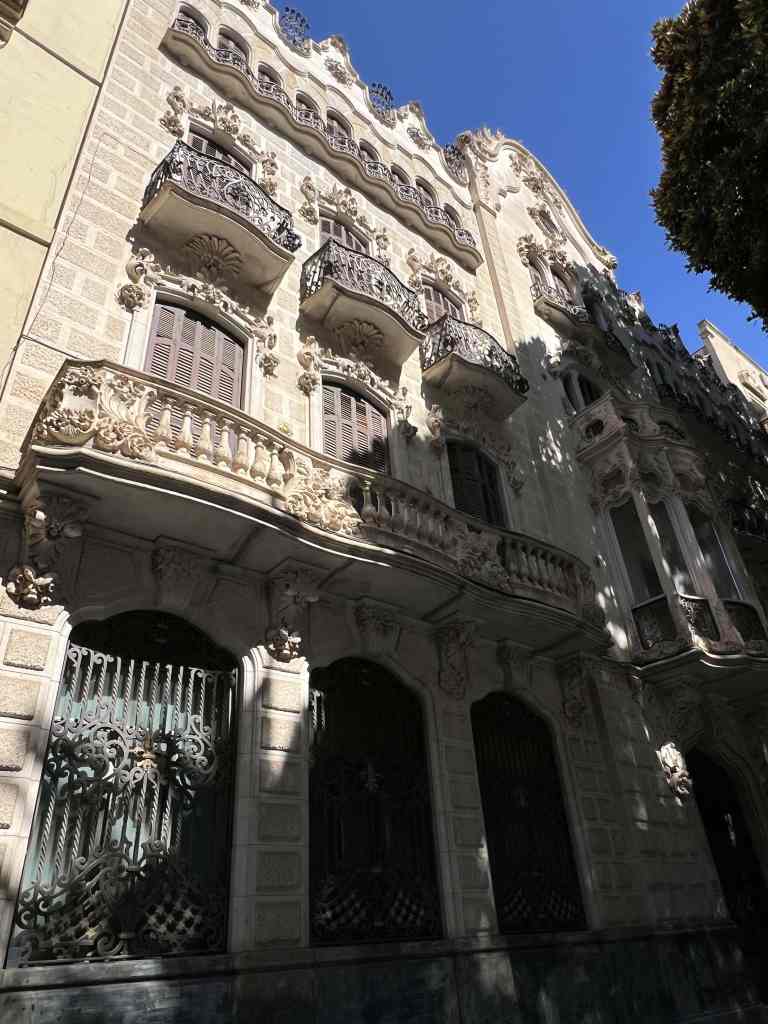
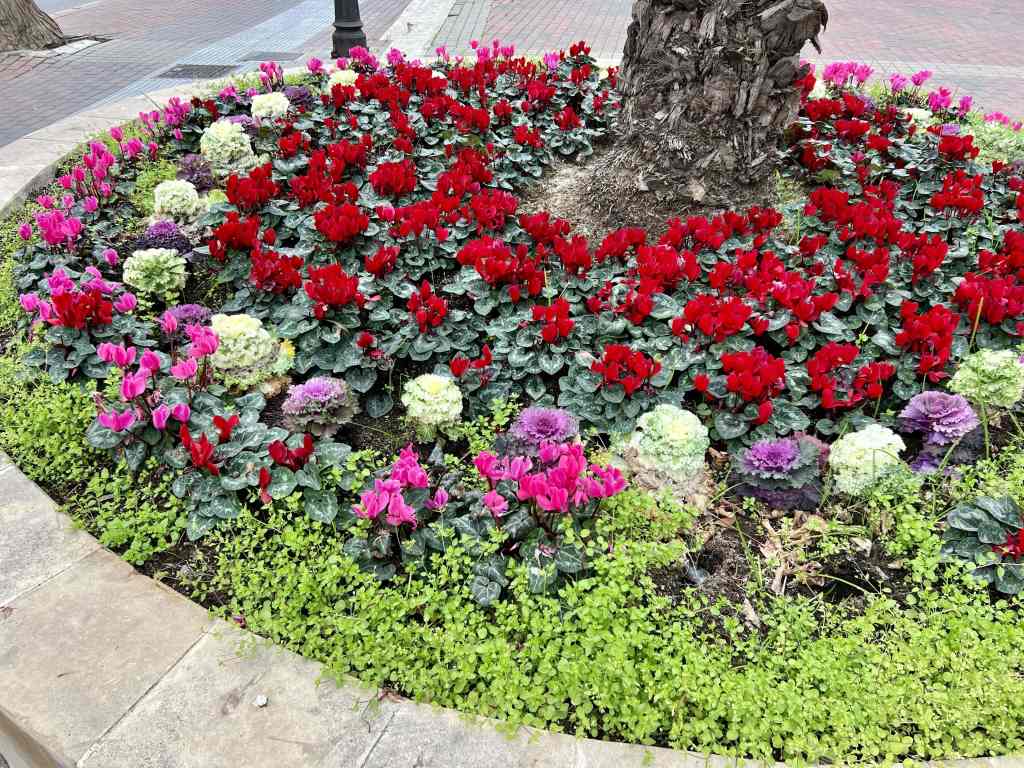
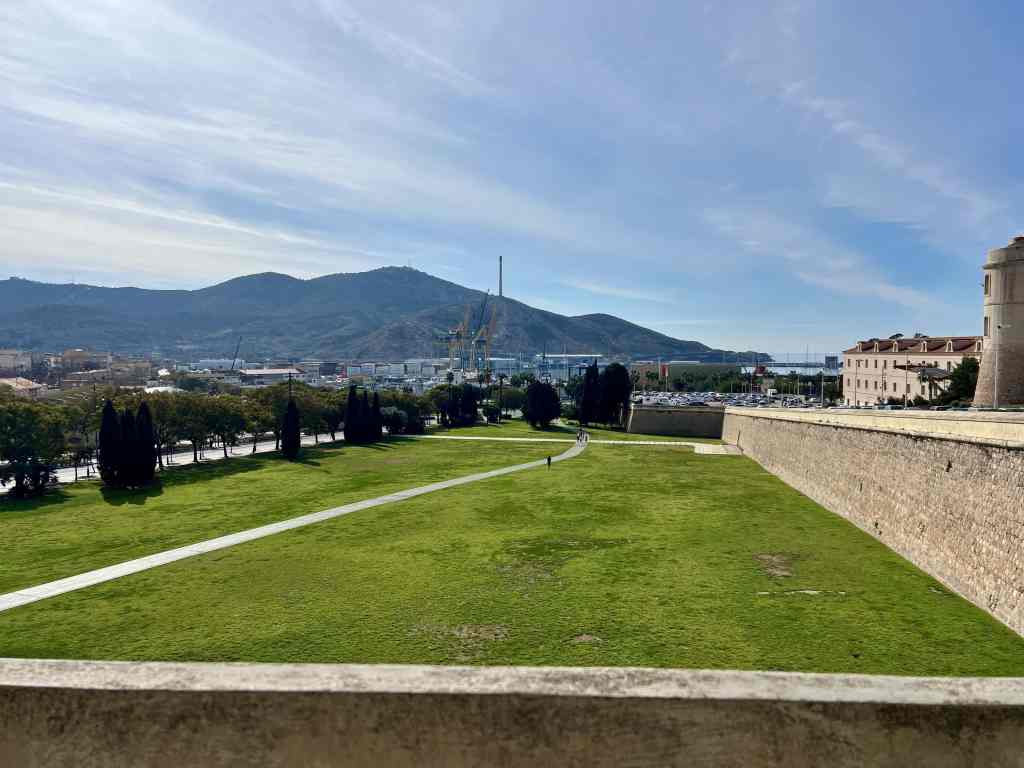
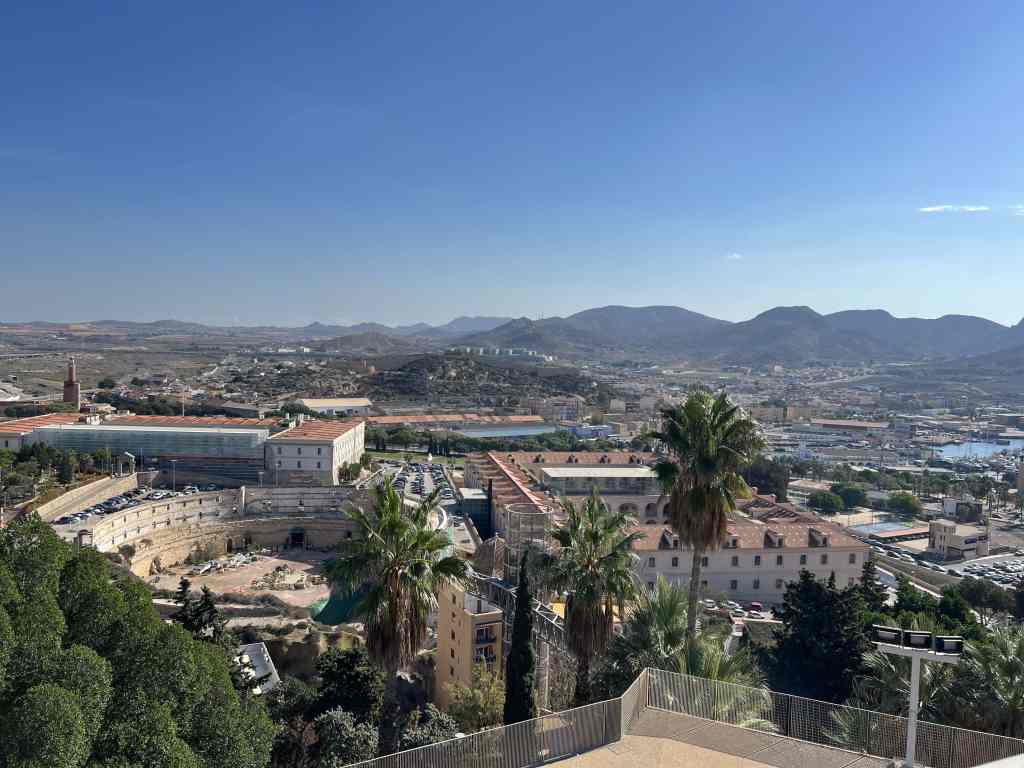
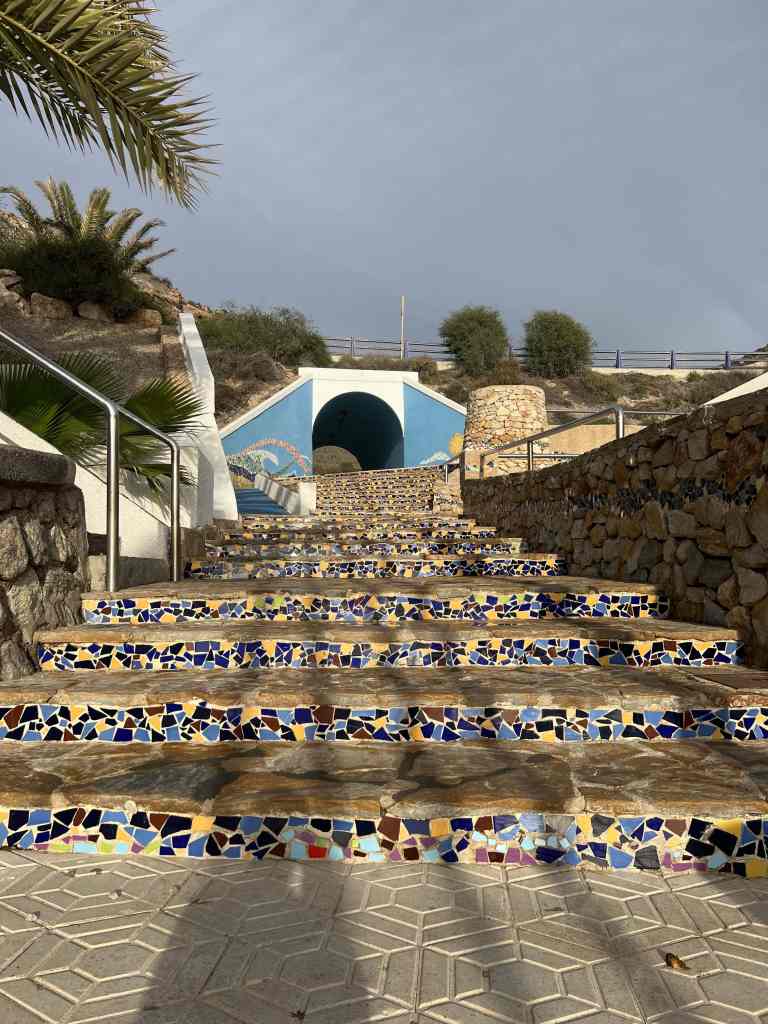
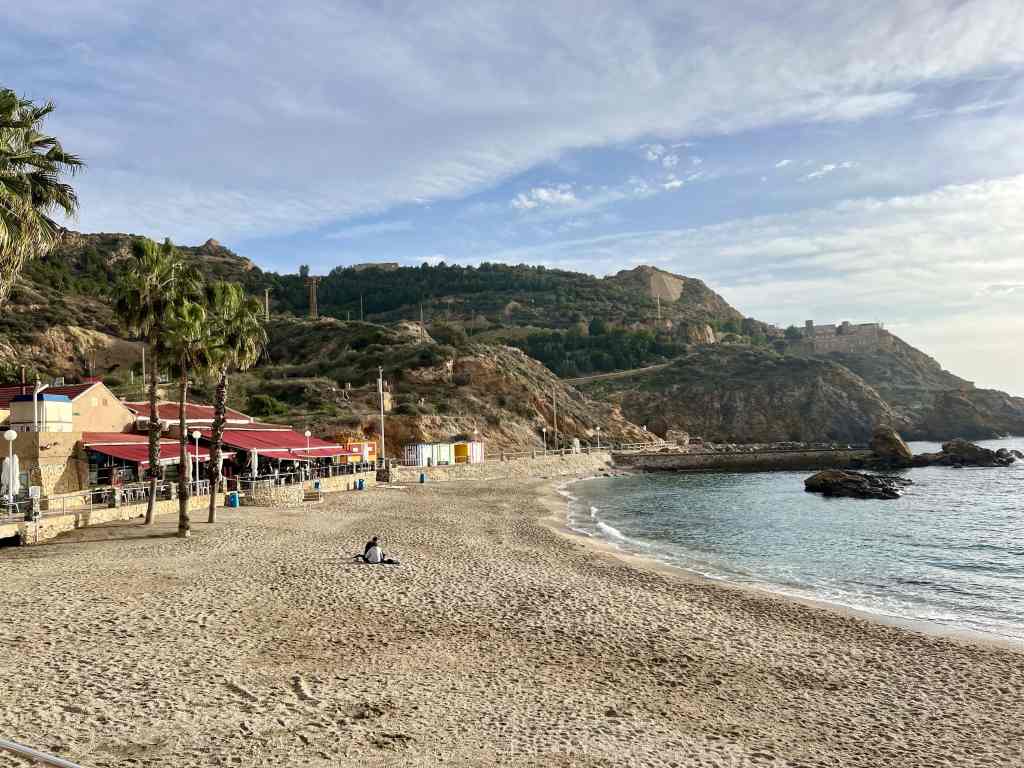
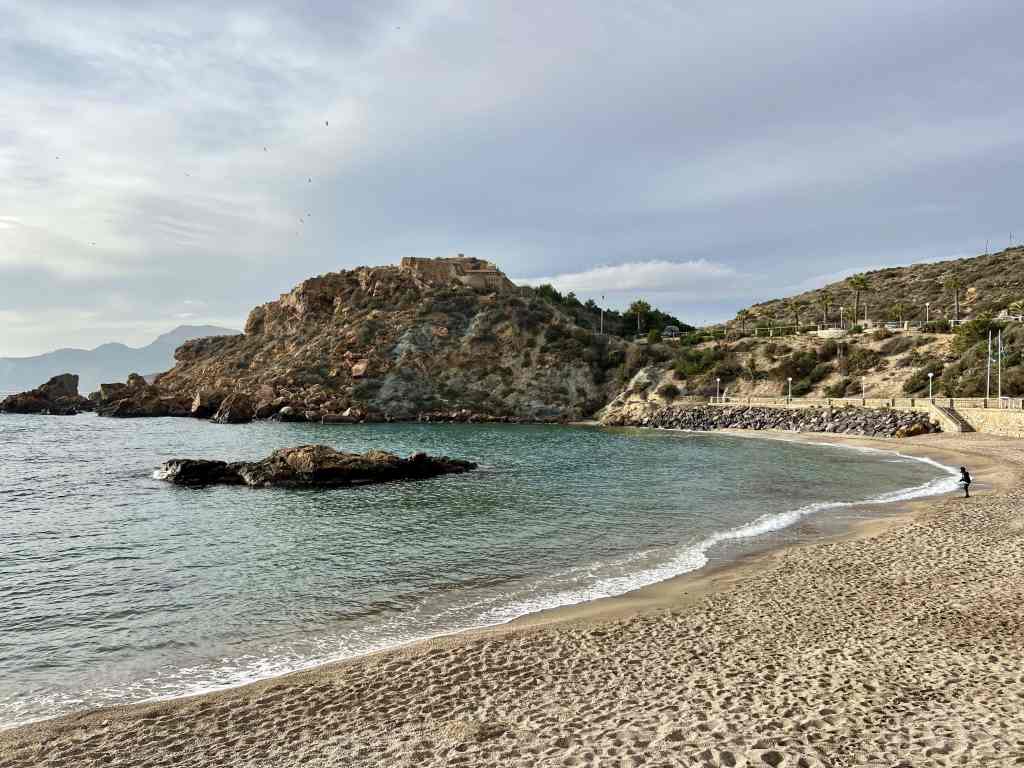
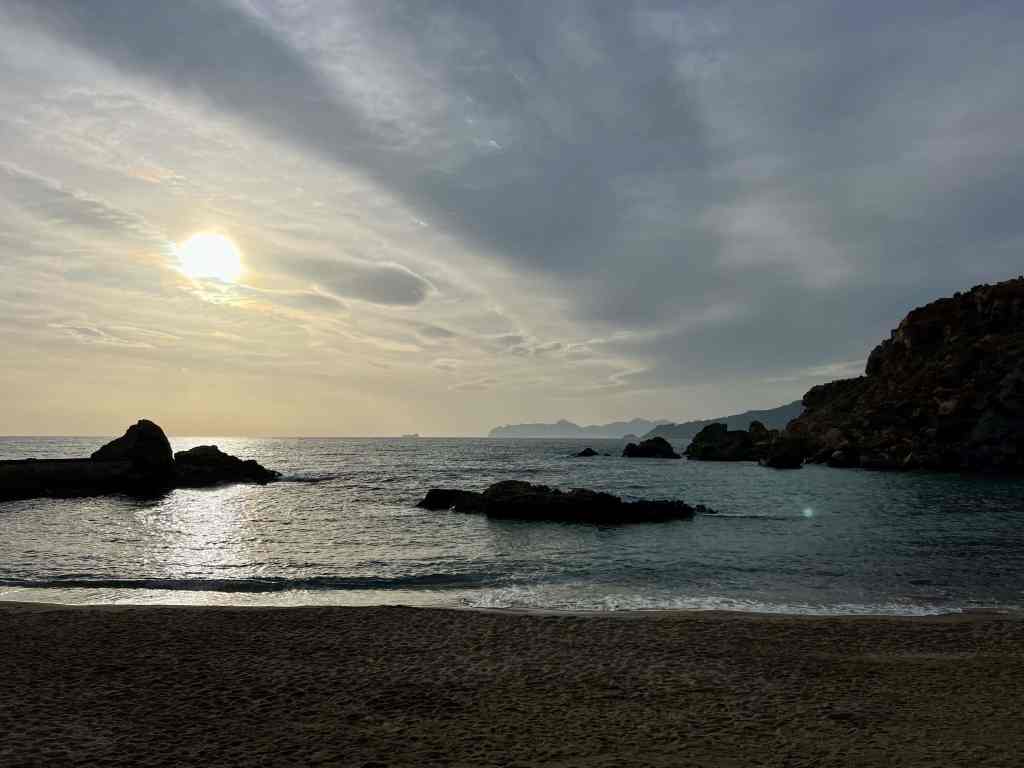
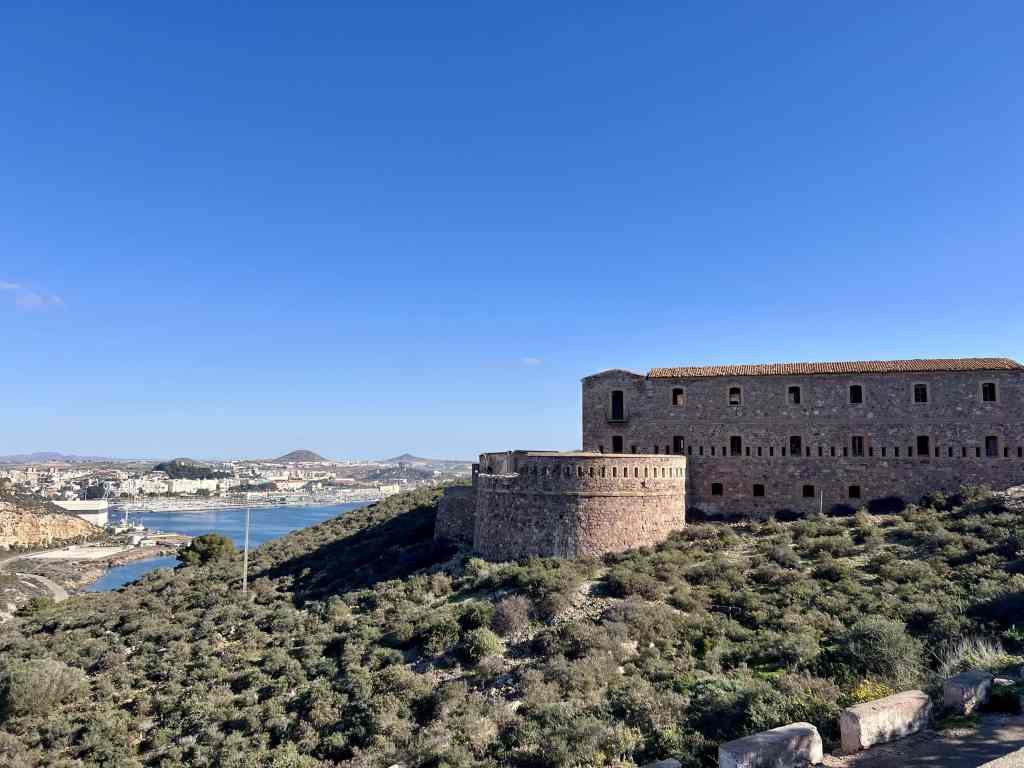
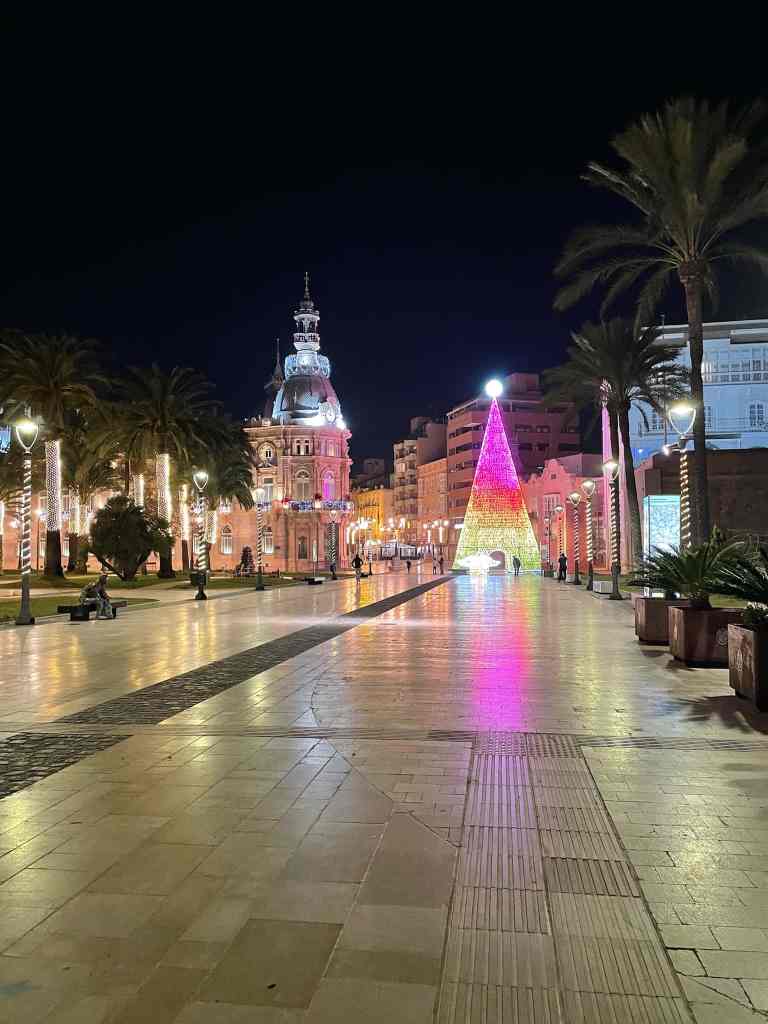
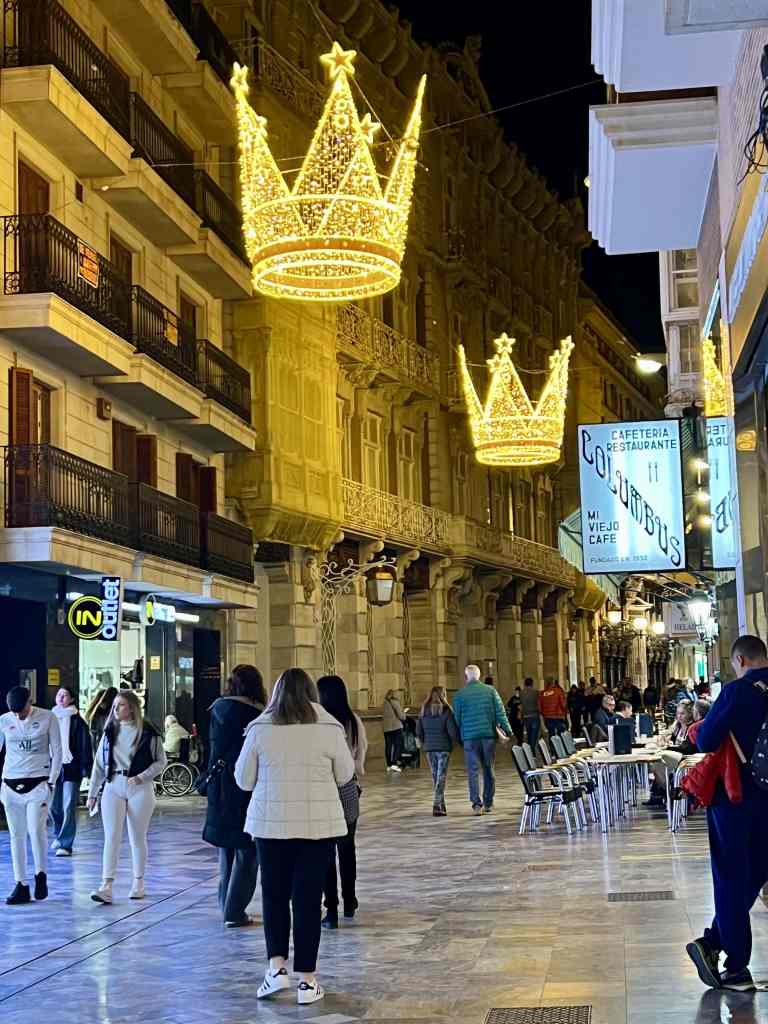
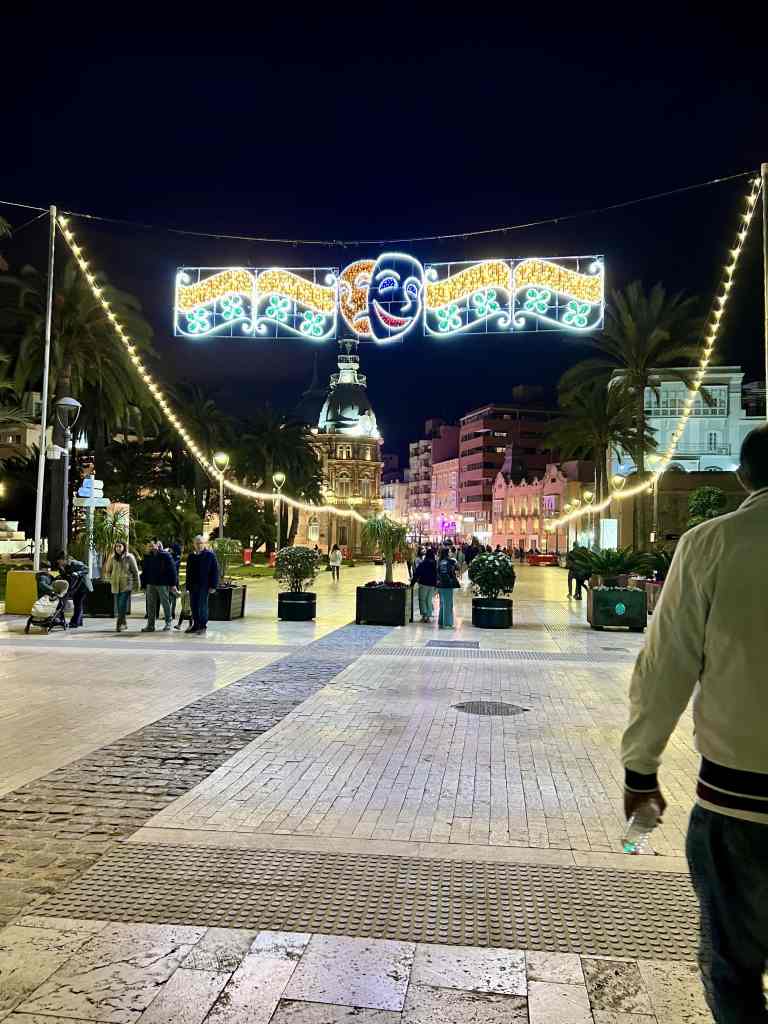
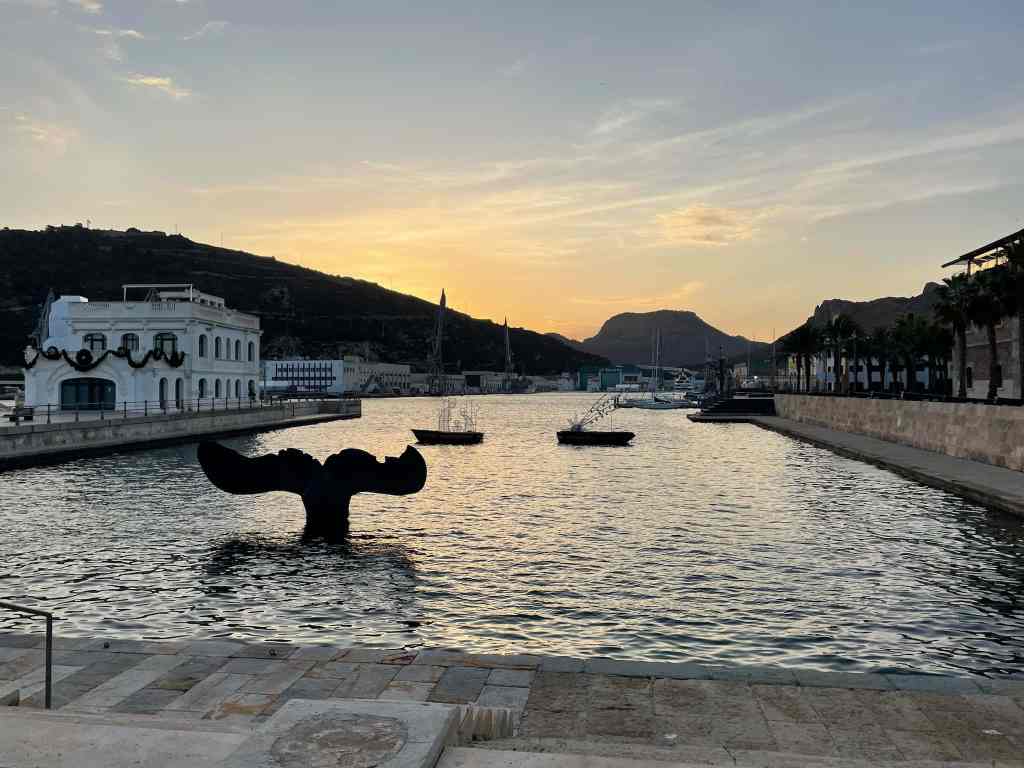
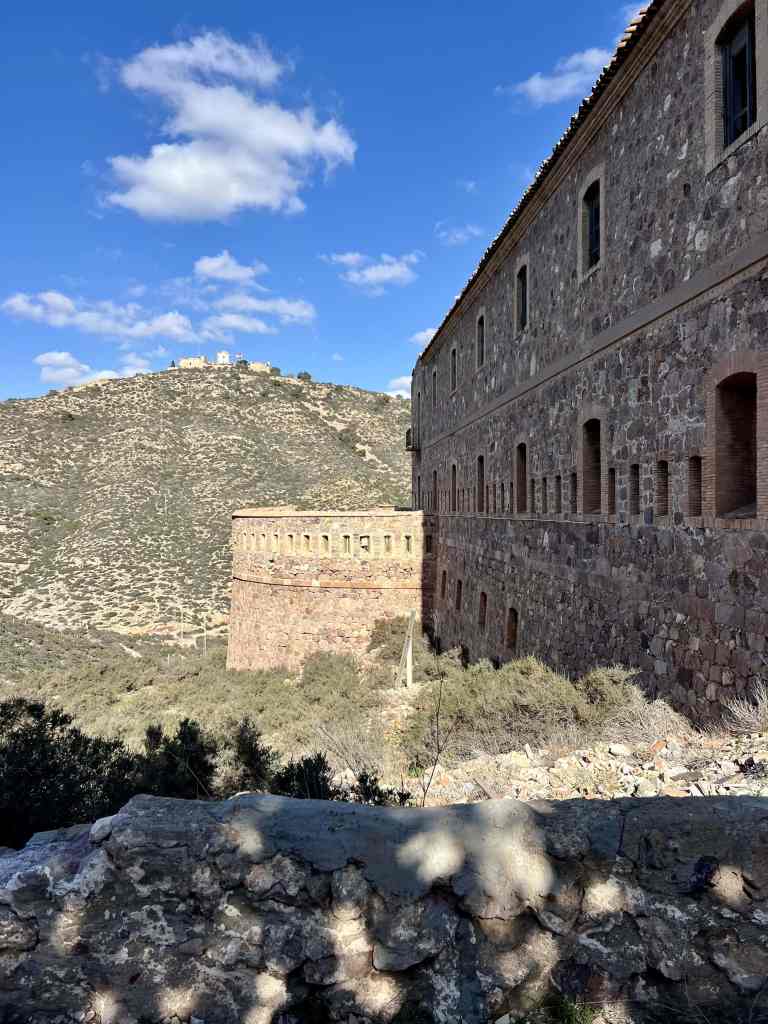
I mentioned already how pedestrian the town is. The main street – Calle Major – is a beautiful street paved in local marble and lined with lovely old buildings. At the top of it sits the iconic City Hall building, which is an emblem of the town. Sculptures can be found all along, and the city is decorated and lit for all major holidays. It’s just a beautiful town to be in. If you look outside the town, you’ll see mountains or the sea on all sides. I believe there are around 25 castles a top the various mountains, so take your pick and enjoy a hike. There is a small beach within walking distance, and it’s a lovely spot to enjoy the sunset.







3. It’s culturally rich.
There is so much history in Cartagena, and its modern day festivals demonstrate a very strong community.
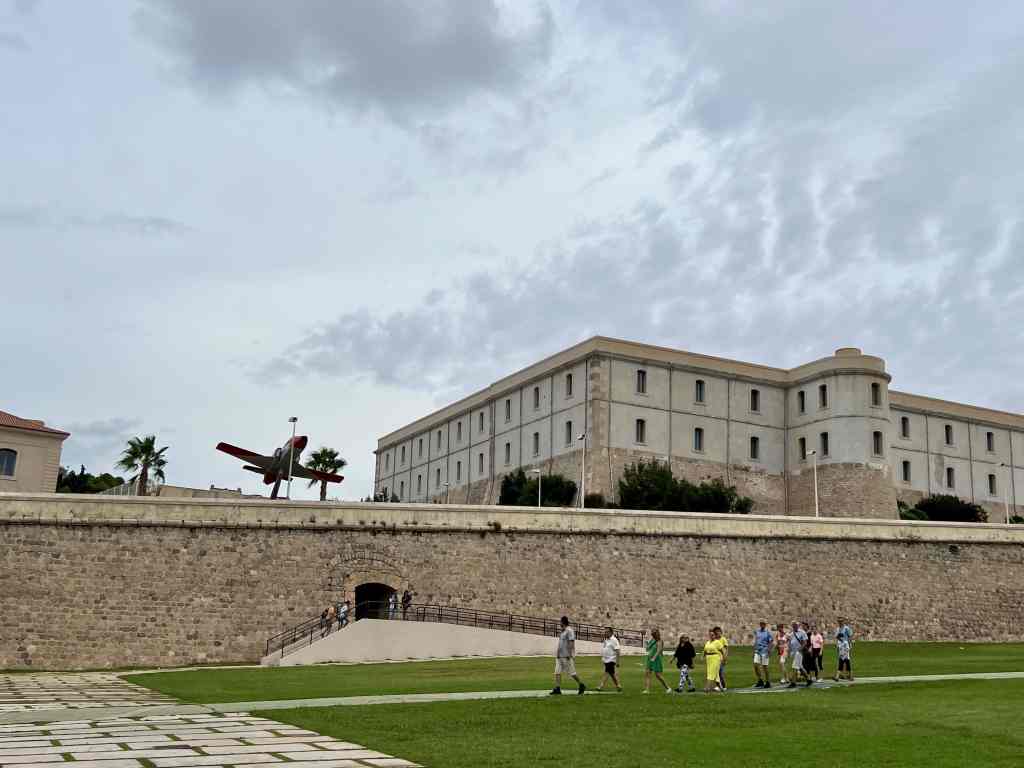
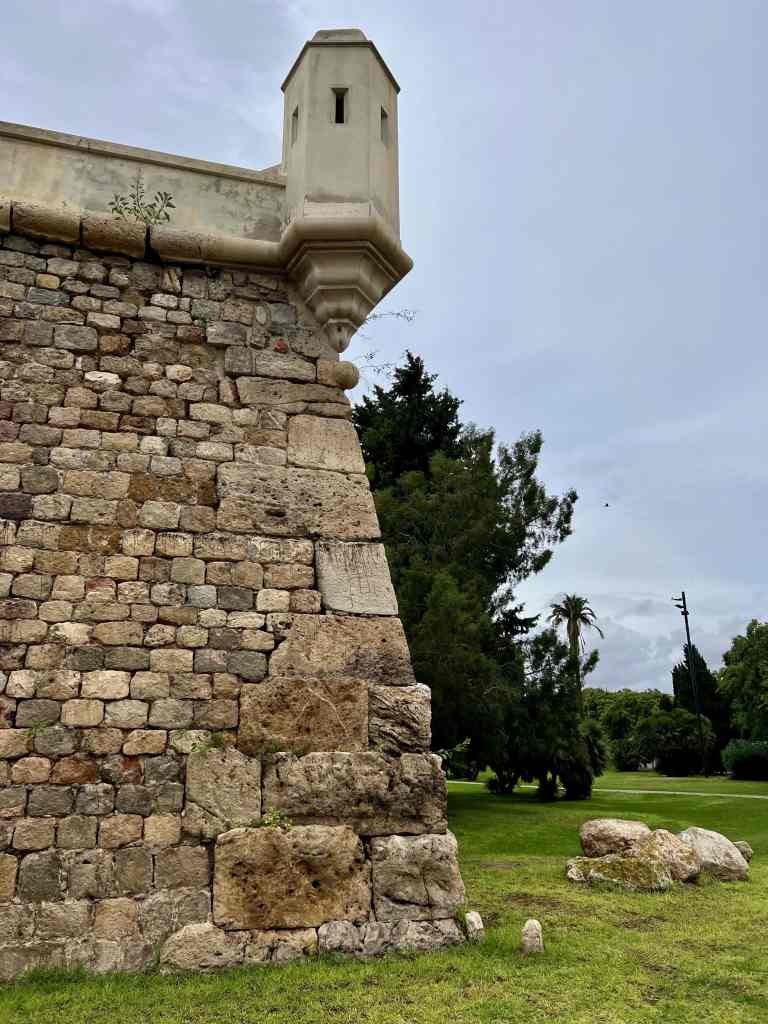
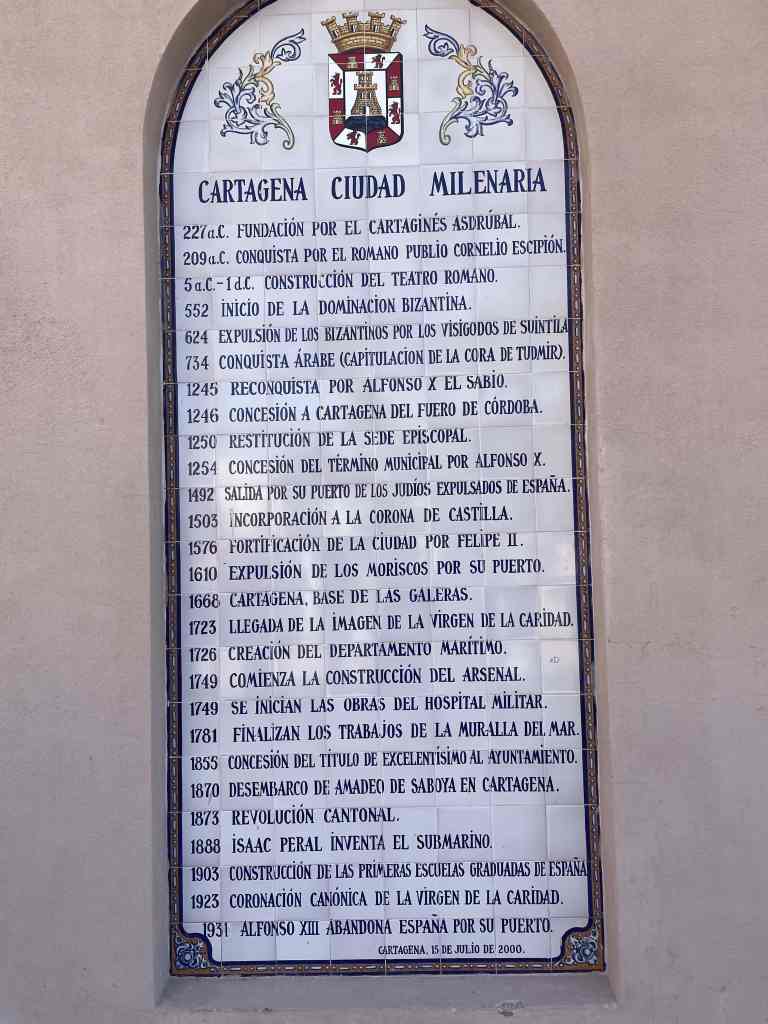
Over 2,500 years of history are rooted here that include the Phoenicians, Romans, Moors, and Christians. Founded in 227 BCE by the Carthaginian general Hasdrubal the Fair, Cartagena became an important naval and commercial hub due to its strategic Mediterranean location and deep, protected natural harbor. The Romans conquered it in 209 BCE, and Cartagena became the major Roman port in the western Mediterranean. Discovering rich deposits of silver in the surrounding hills also allowed Roman Cartagena to ascent to wealth and importance. To this day, Cartagena remains a strong naval station, and the natural deep harbor explains why submarines as well as cruise ships are common sights. If you’d like to learn more history, check it out here.
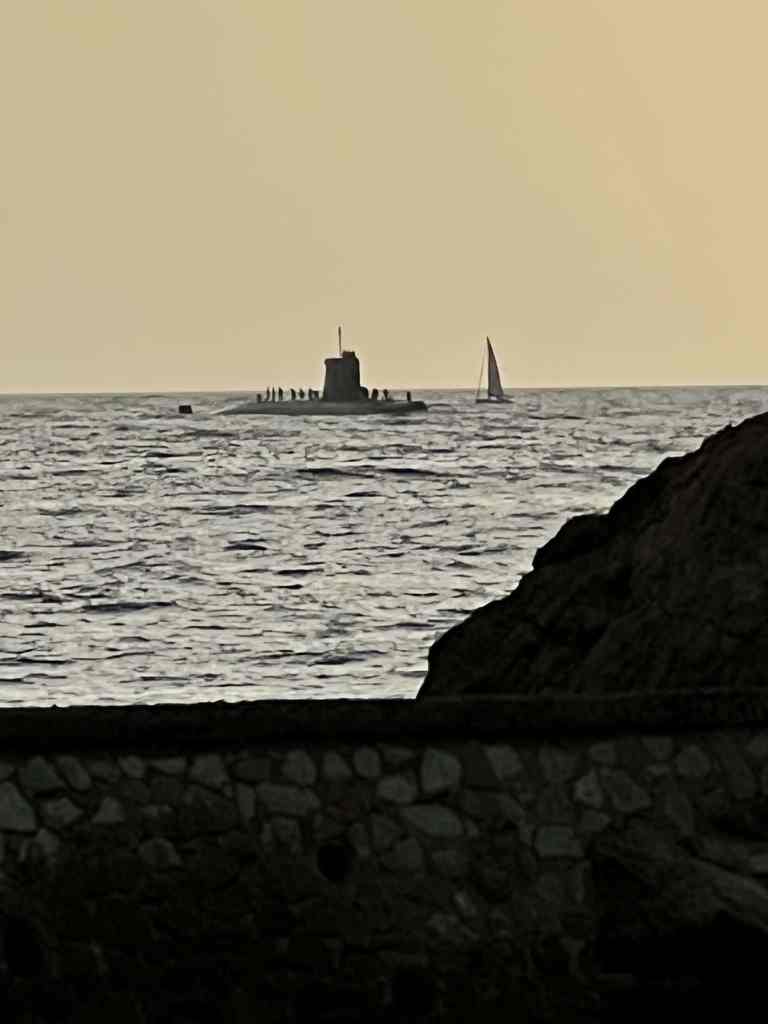
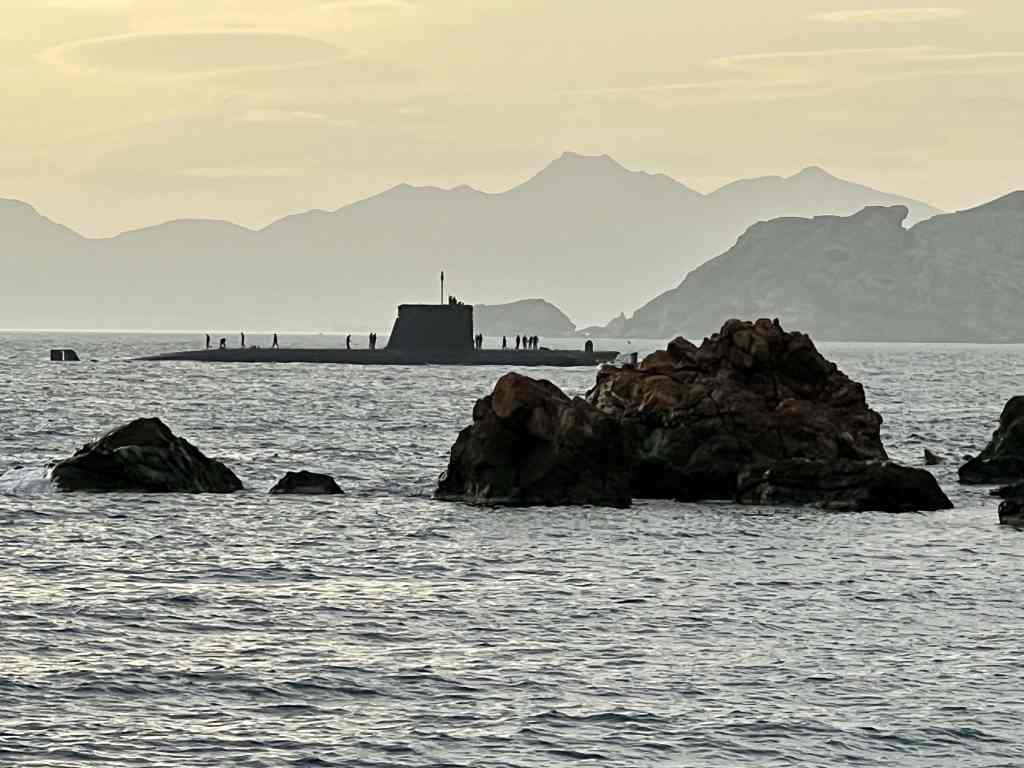
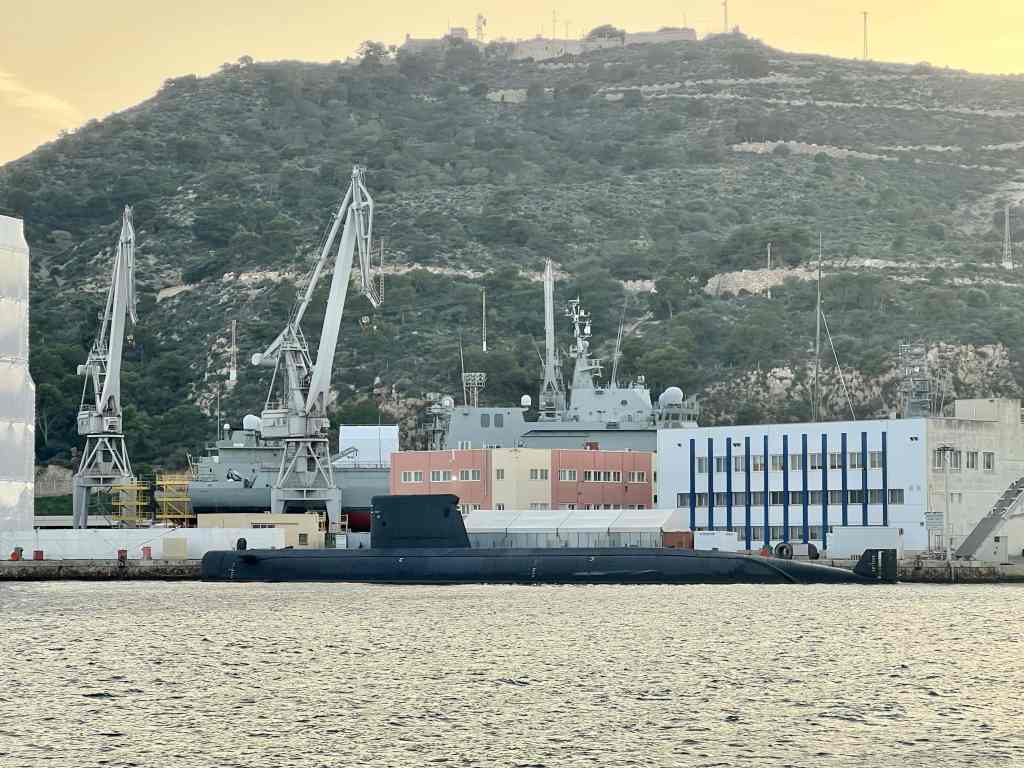
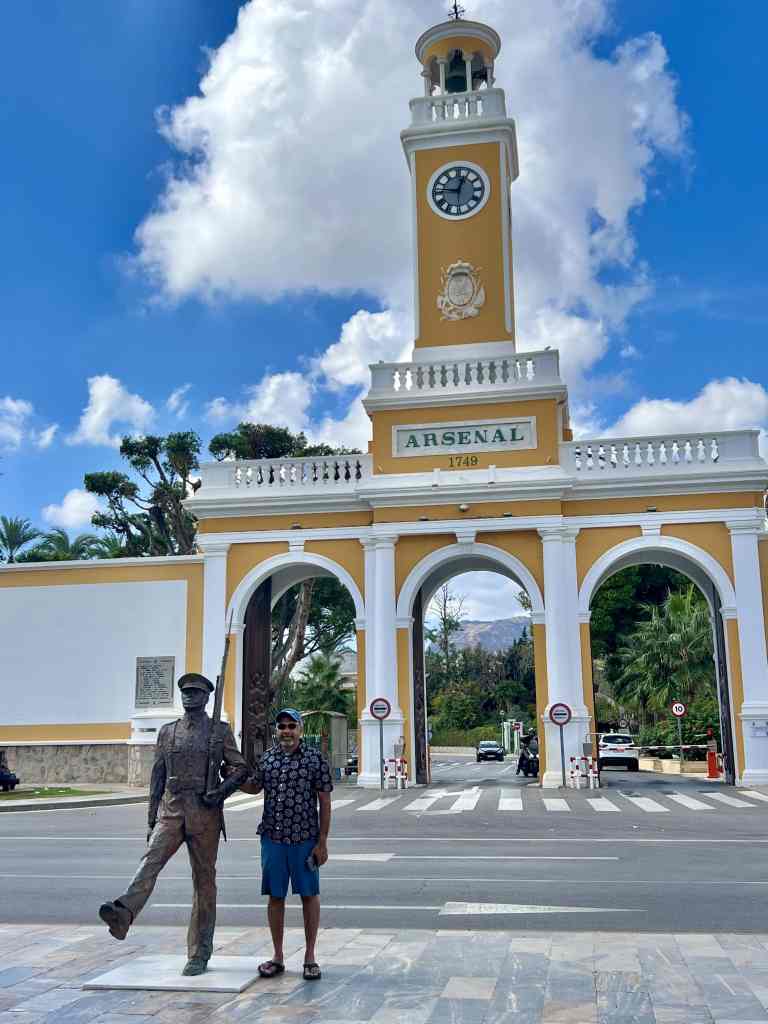
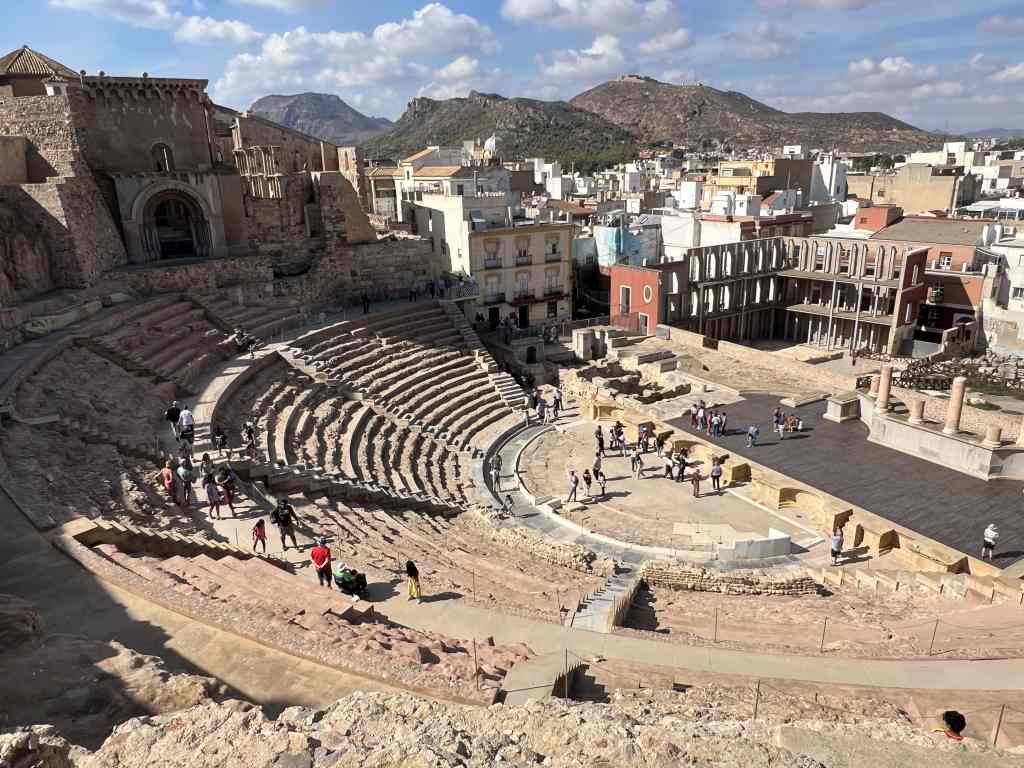
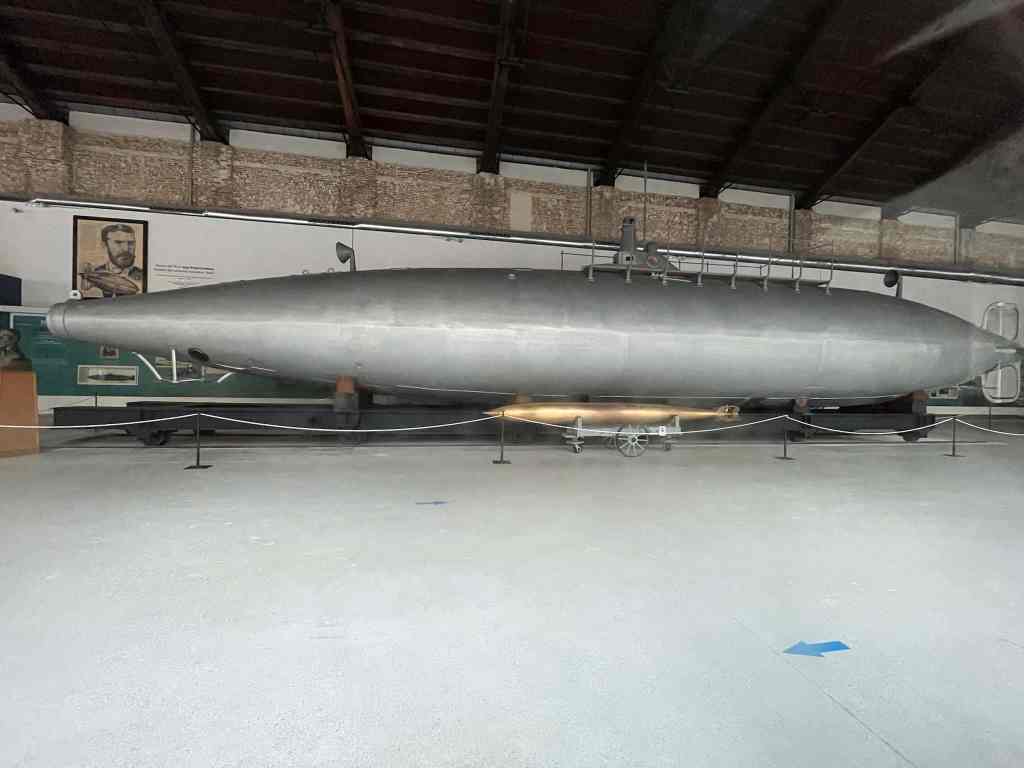
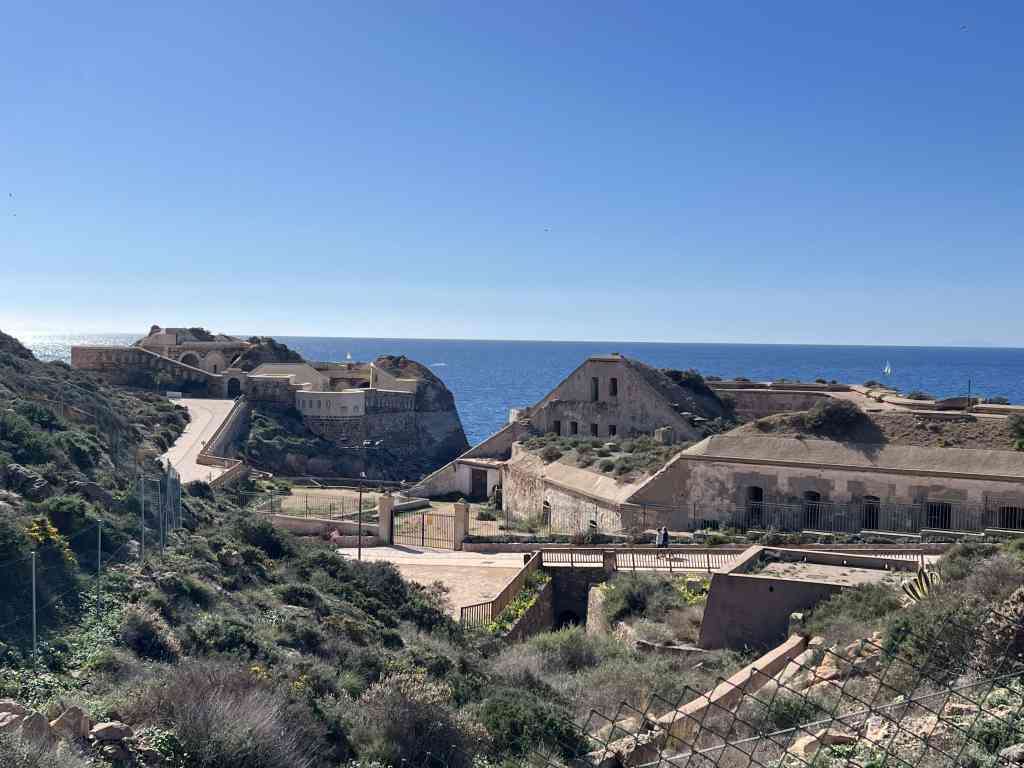
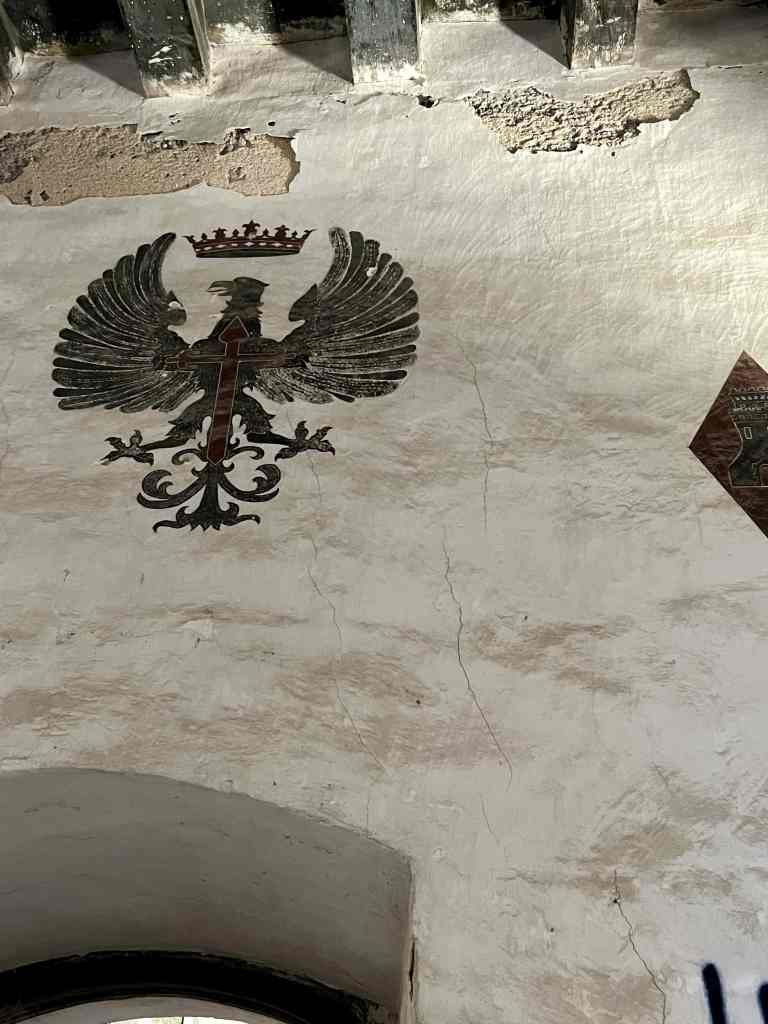
To take in the vast history, sites include The Roman Theatre and Museum, the Punic Wall, the Concepción Castle, the Naval Museum, The National Museum of Underwater Archaeology (ARQVA), the Regional Museum of Modern Art, and more!
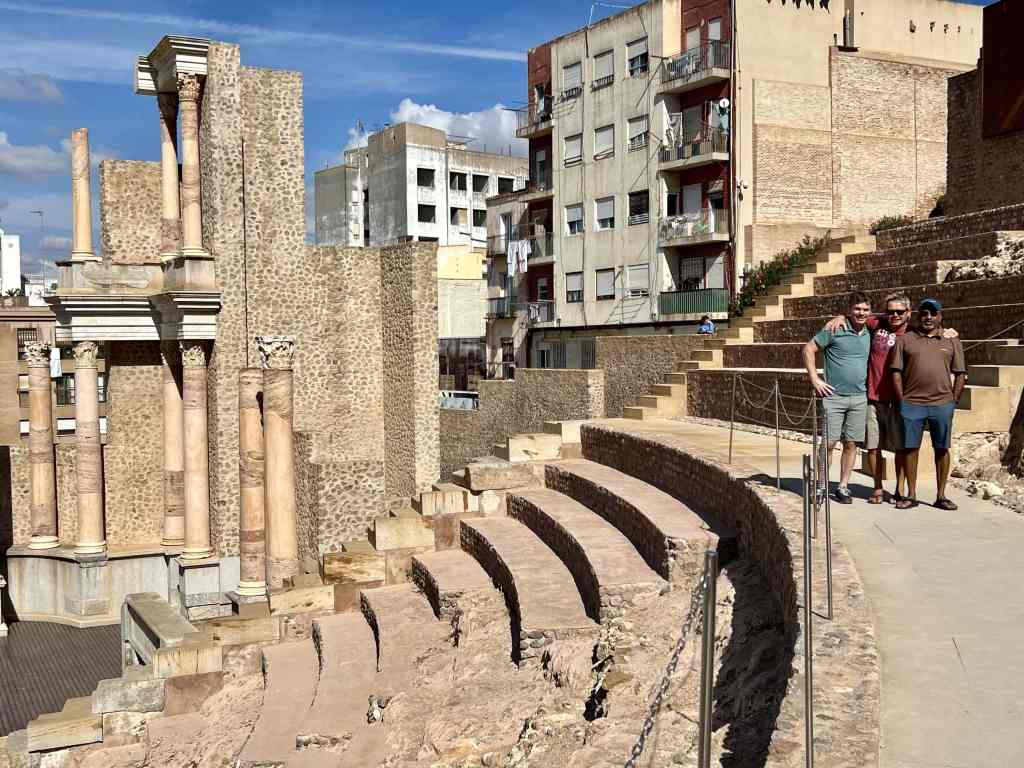


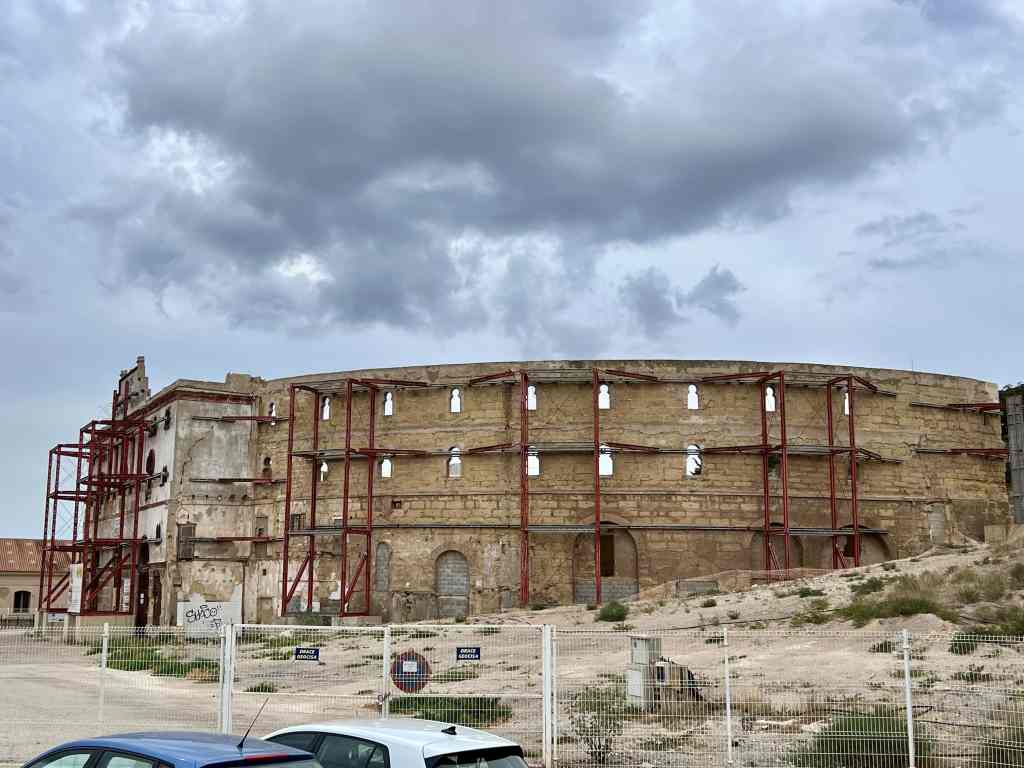


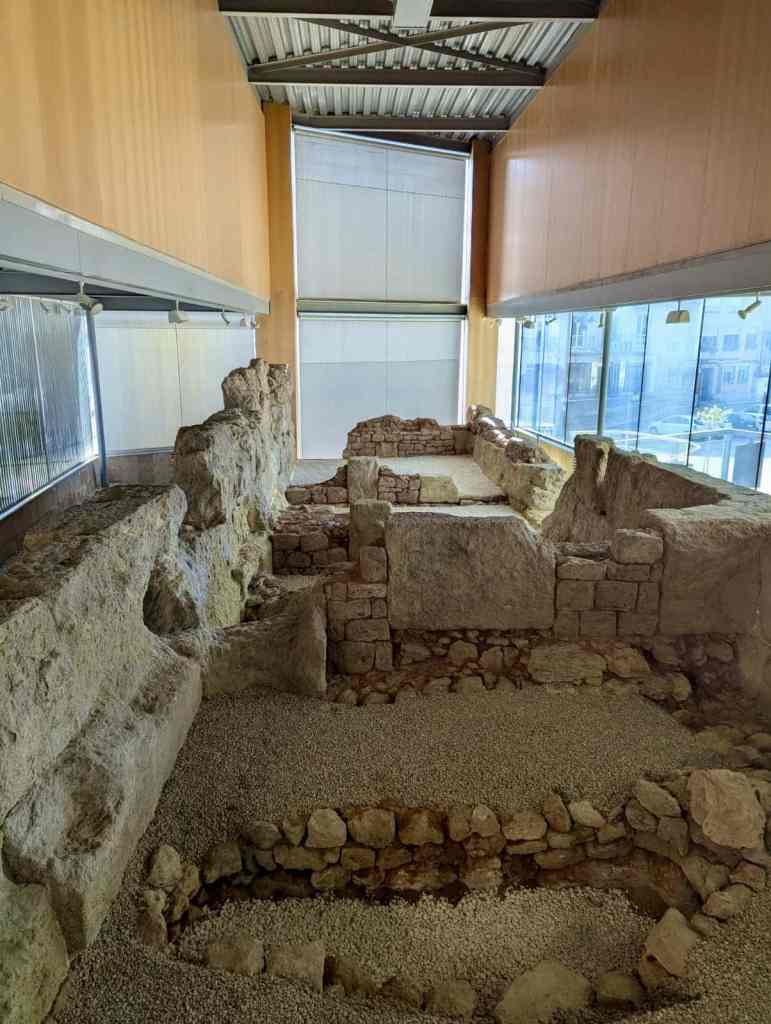
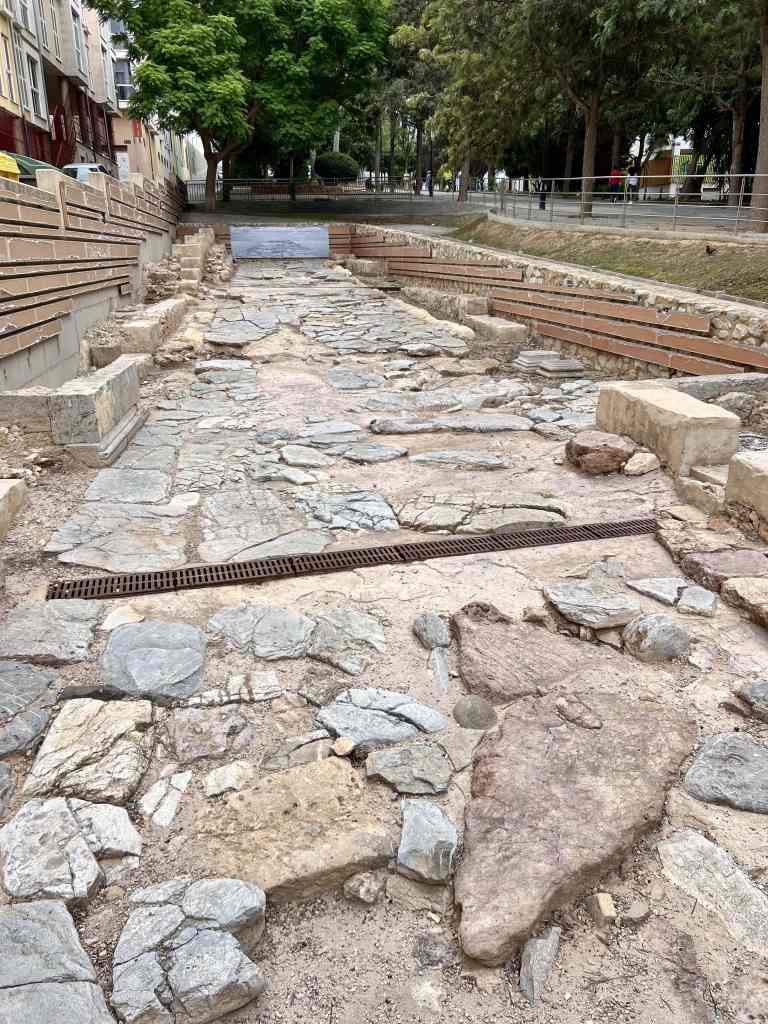

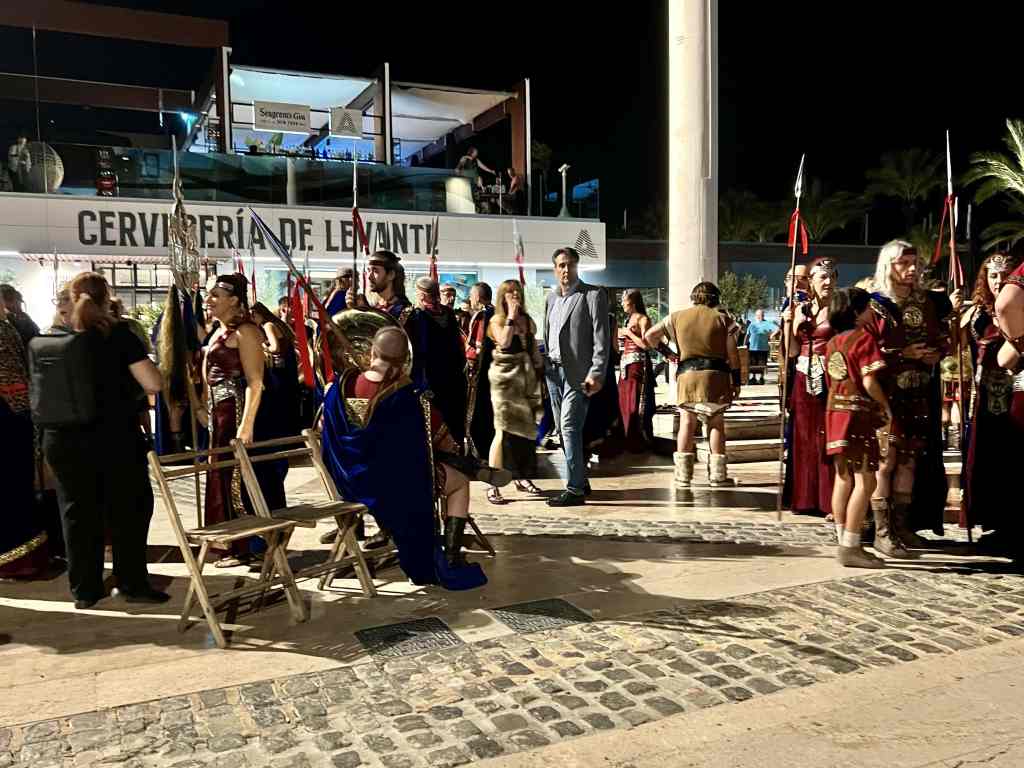
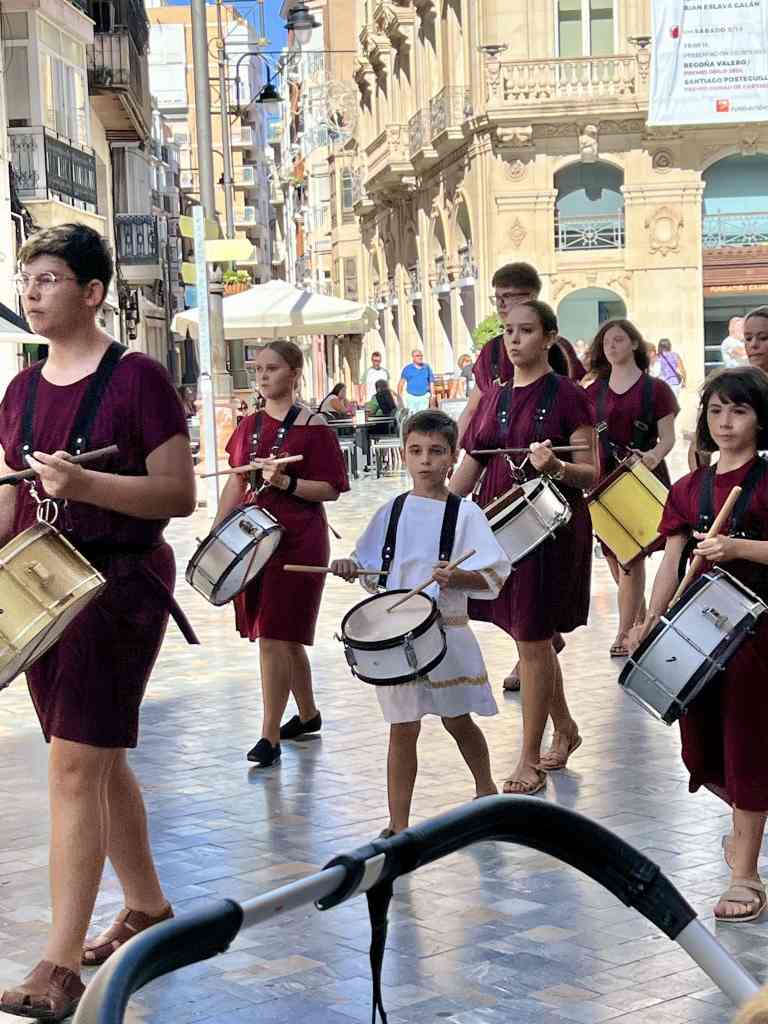
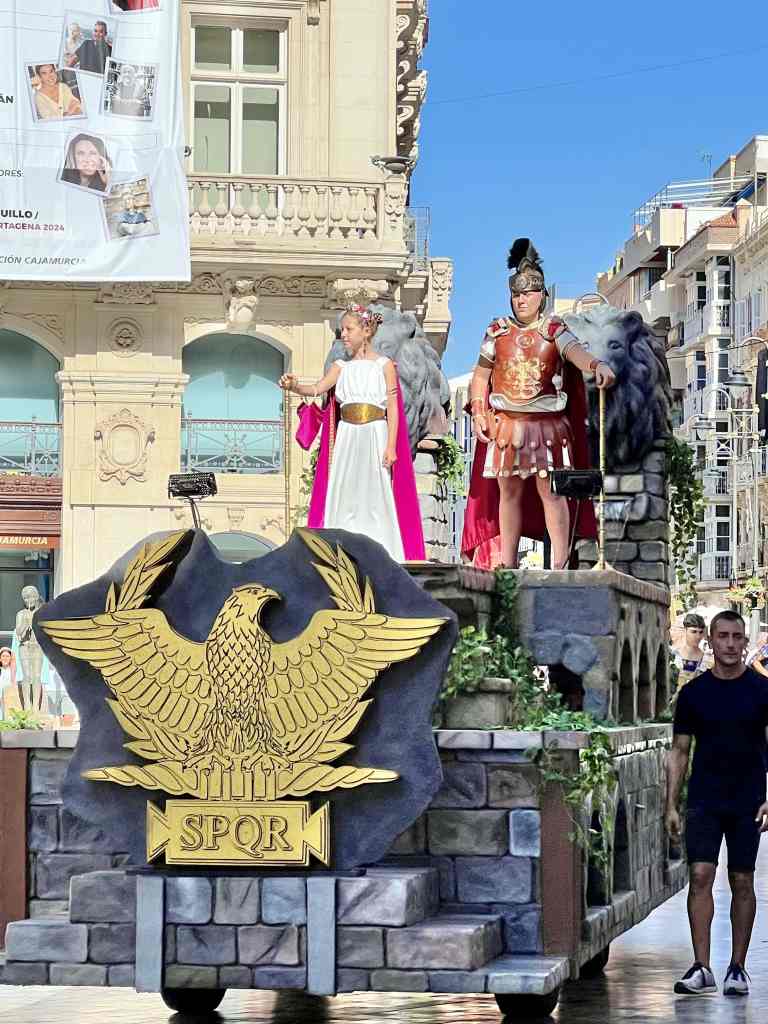
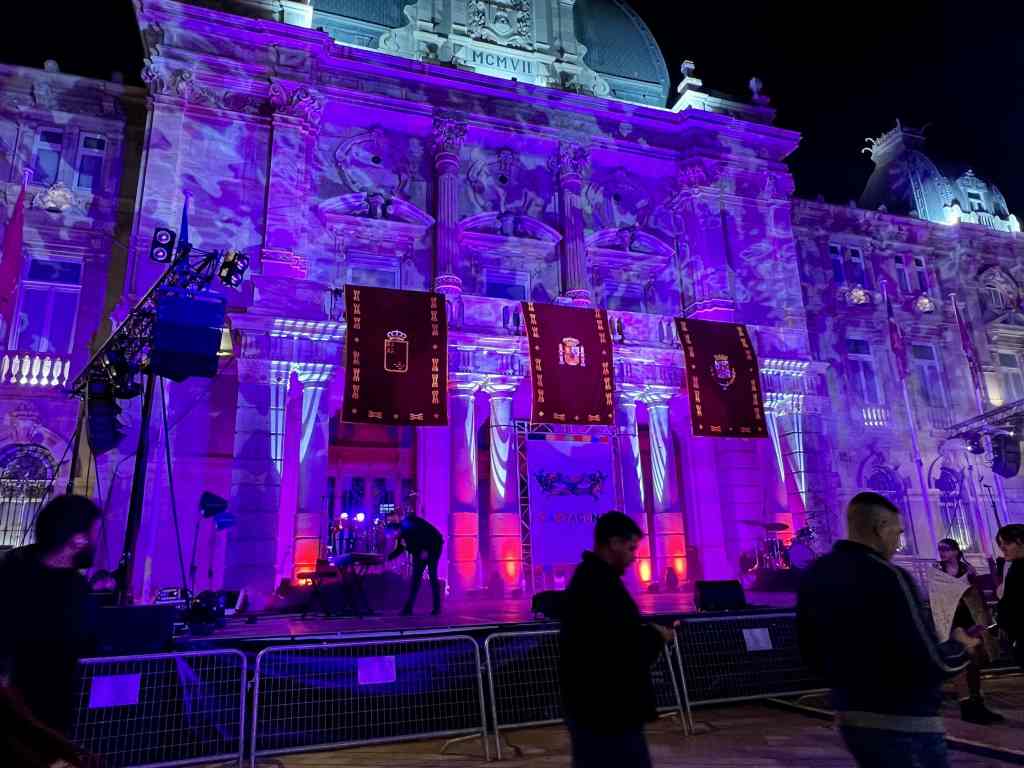
On to the festivals… They are huge – we’re talking at least a week long. Spaniards take their festivals very seriously! You’ve got your traditional Christmas and Easter celebrations, as well as Carnaval (in February/March) and one unique to Cartagena – the Carthaginians and Romans. This last festival takes place in September of each year marking the battle between the opposing parties during the 2nd Punic War. For days before the festival even started, we saw many people in town completely dressed up in full Roman or Carthaginian gear. We were able to attend the Great Roman Circus, which was a bit over-hyped but an interesting experience!
Carthaginians and Romans



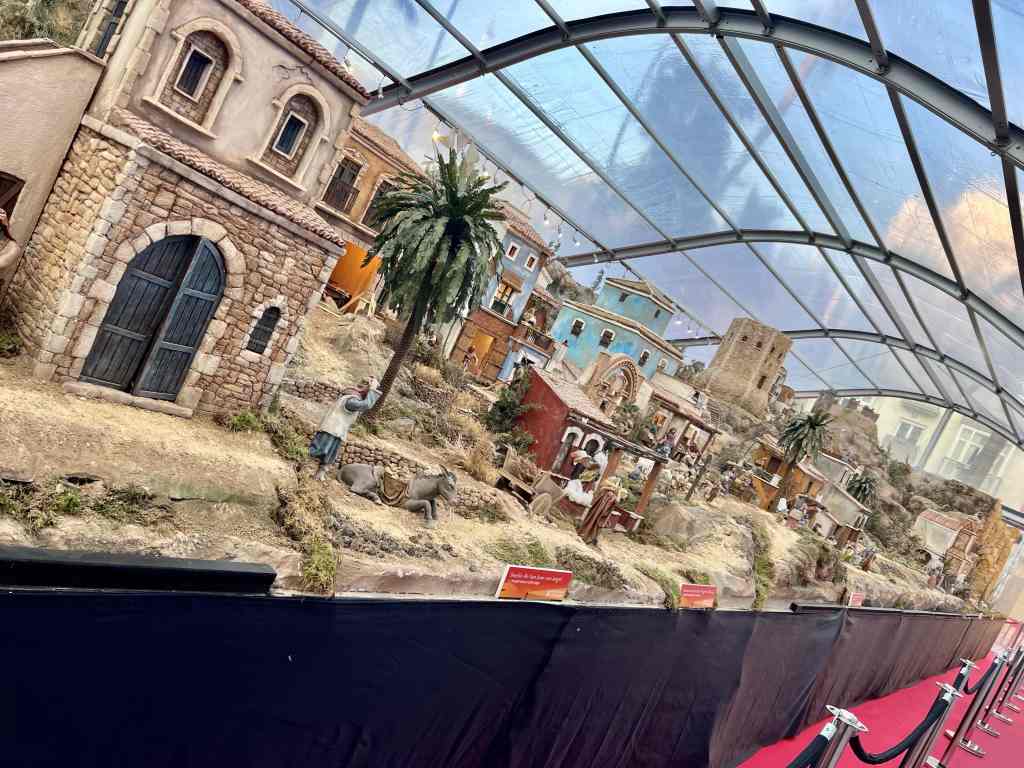
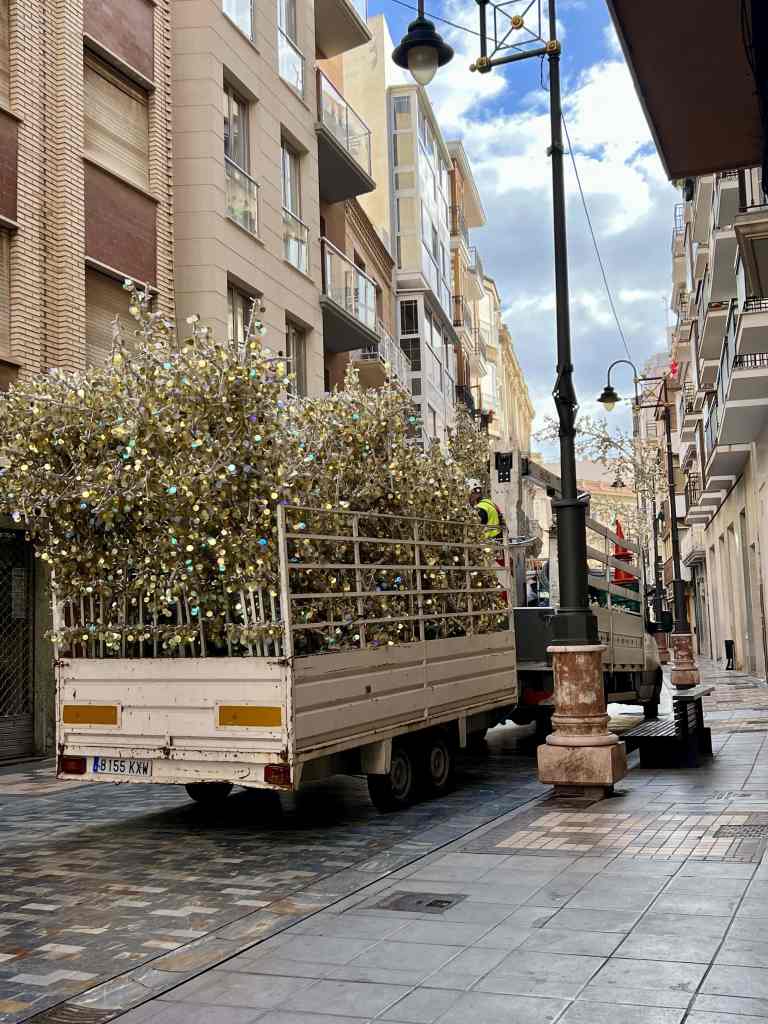
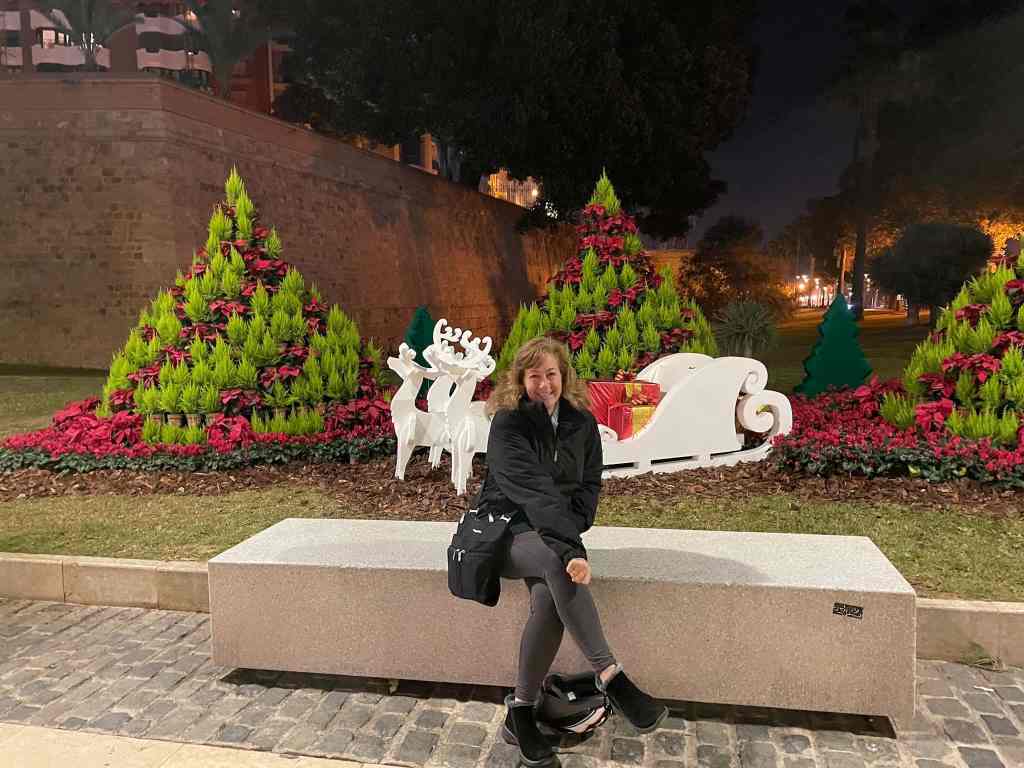
Christmas

Carnaval


Random…
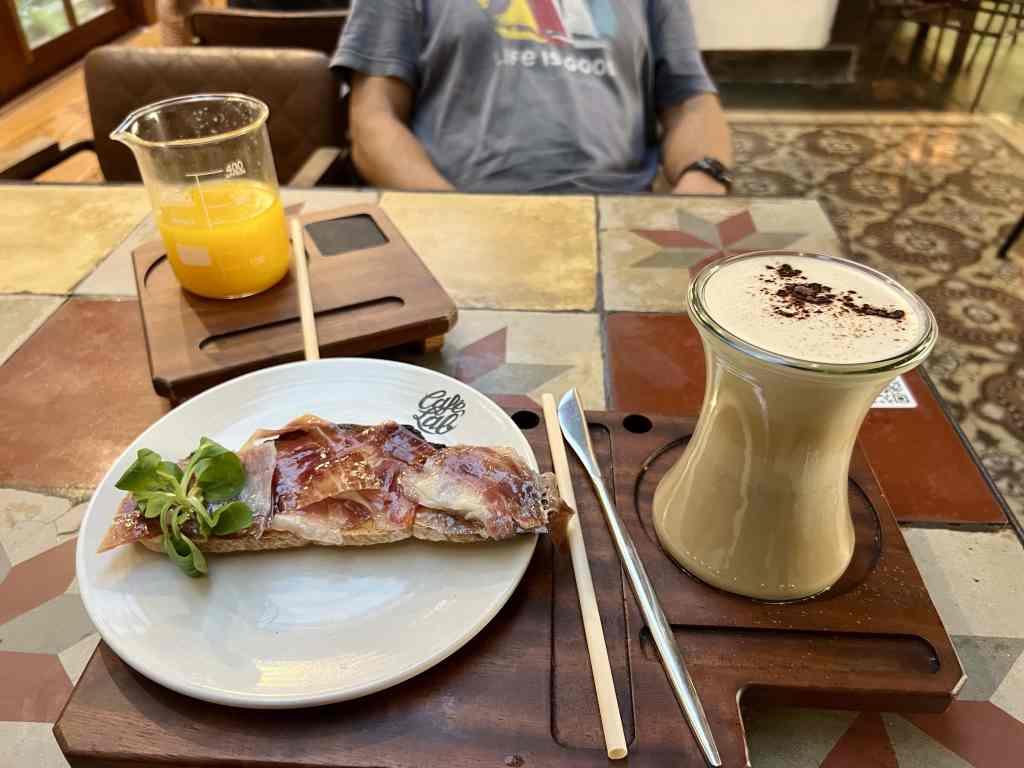
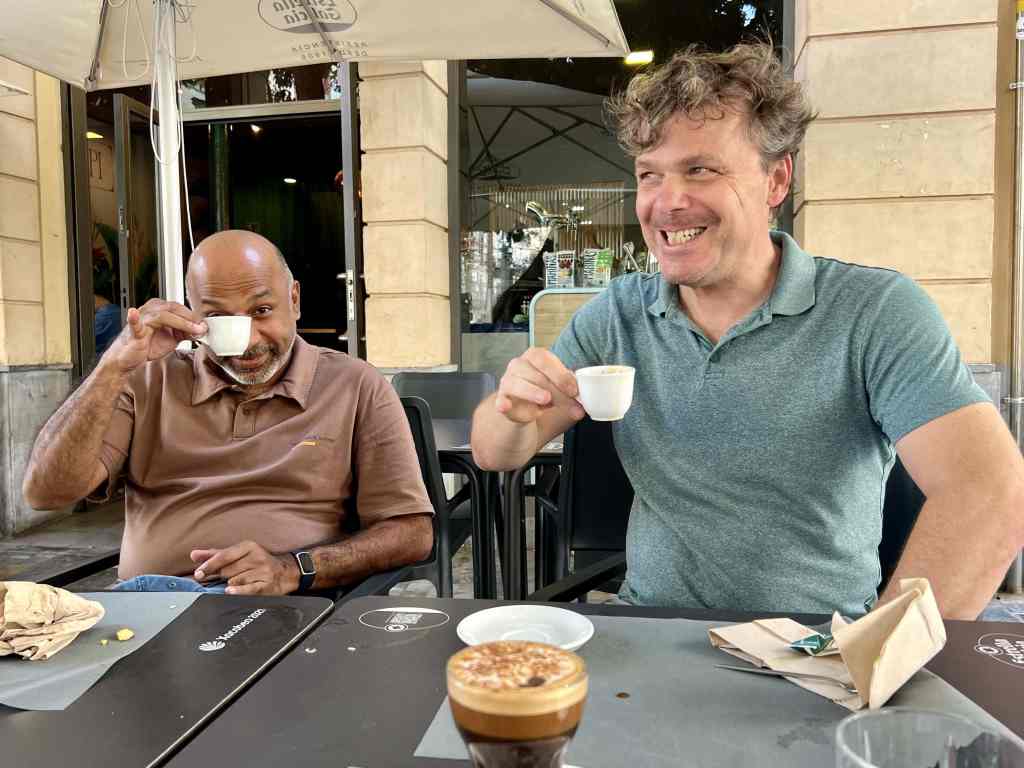
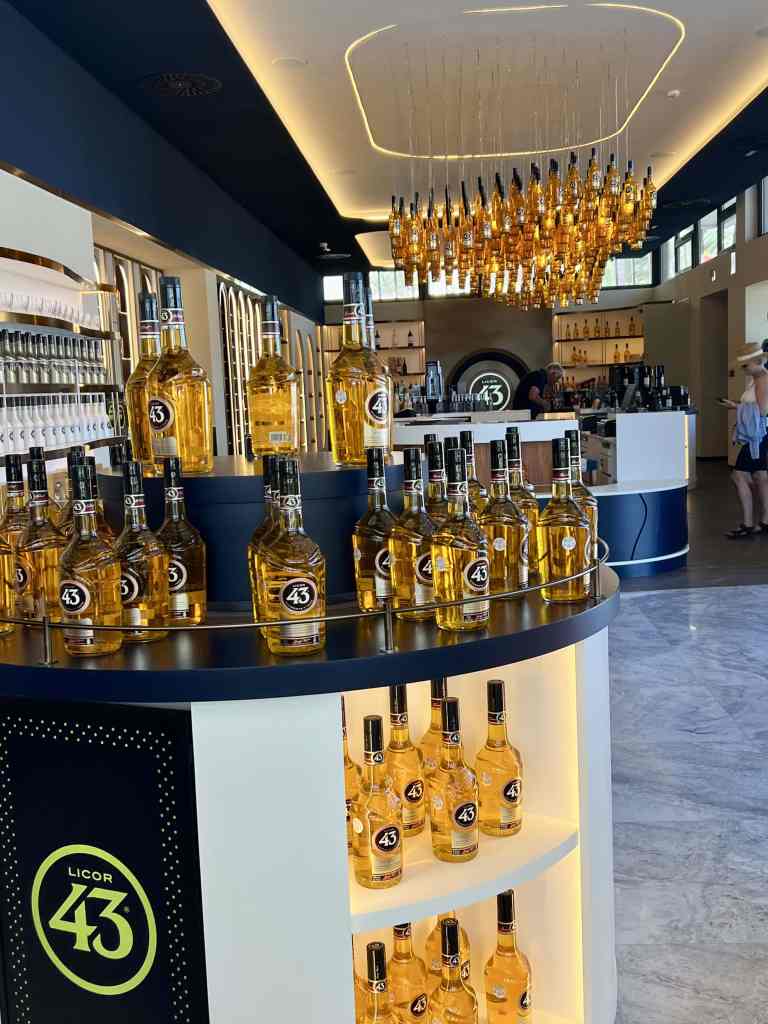
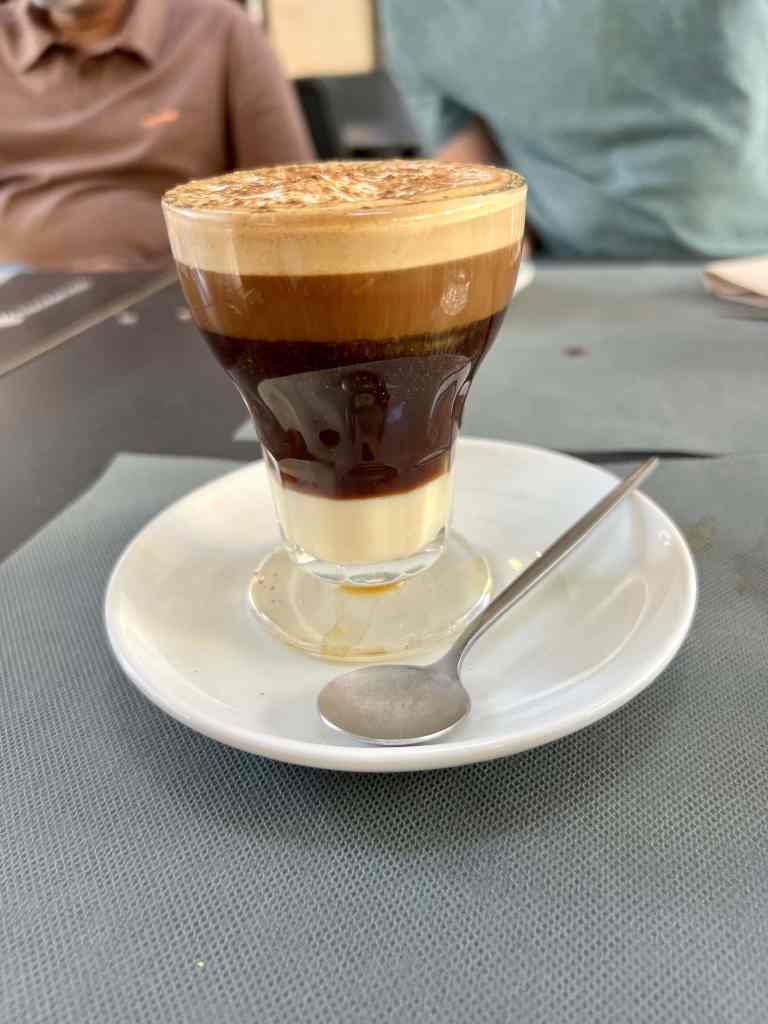
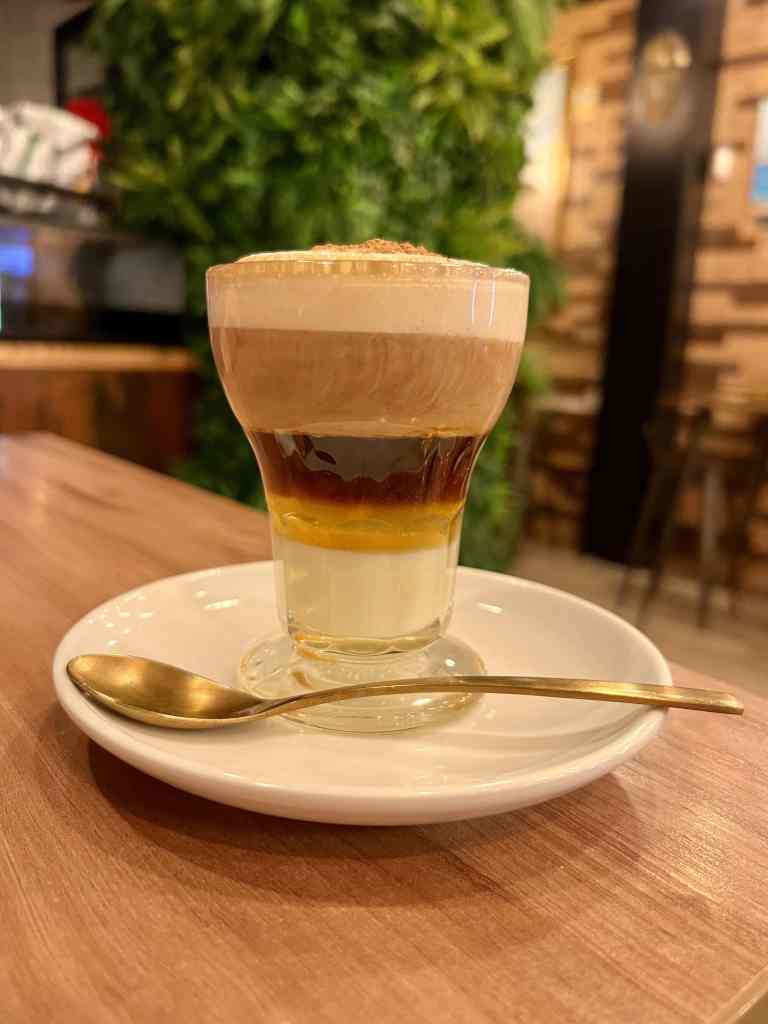
Speaking of culture, I’d be remiss not to mention Cartagena’s signature drink, the Asiático. It’s a delicious coffee-based cocktail made with condensed milk, brandy, Licor 43 (a liqueur produced locally), and cinnamon. Laura and I both loved these and tried them out wherever we could. 🙂 They are always a work of art, so it feels a shame to stir them!
4. It has a great marina.
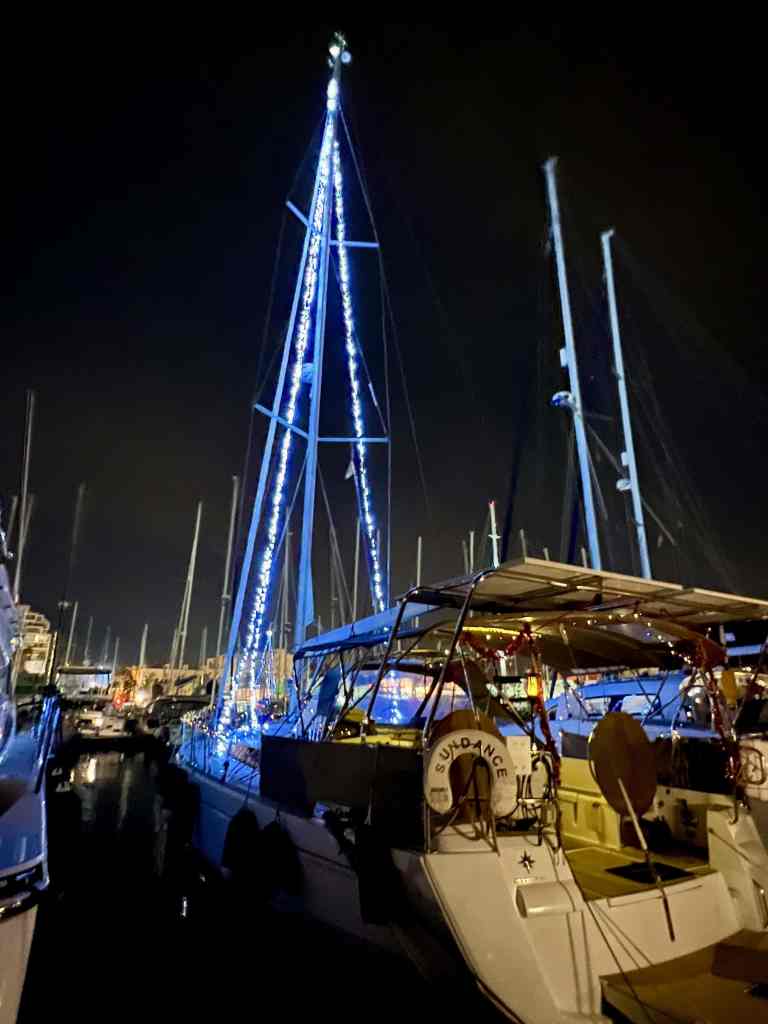
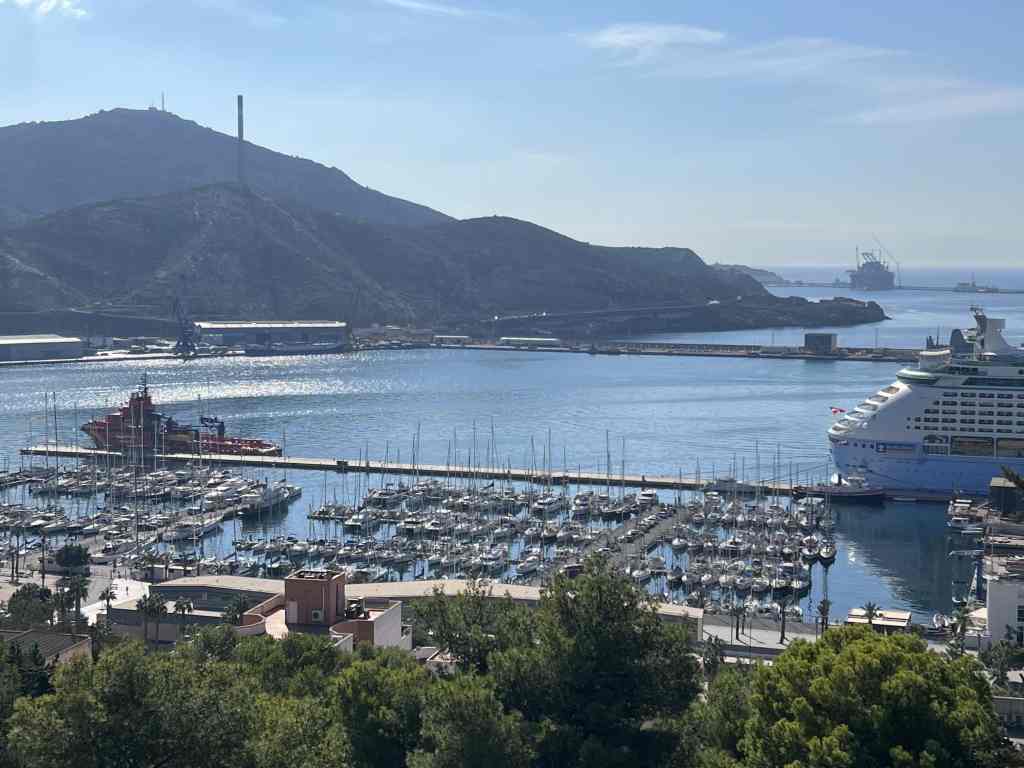
As a general place for a night or so, Yacht Port Cartagena is great. It’s even better for a long term stay like over the winter. The staff are all super friendly, helpful and speak English. They were great helping us organize some repairs to the boat when we first arrived (which were very reasonably priced and took no time at all), and we’ve even had mail delivered directly to our boat! The marinaros are also great for keeping an eye on all the boats, especially during storms. The facilities are really nice. They have an older bathroom block and a much newer one that rivals Porto Montenegro, though on a smaller scale. This is particularly important during the winter months. 😉
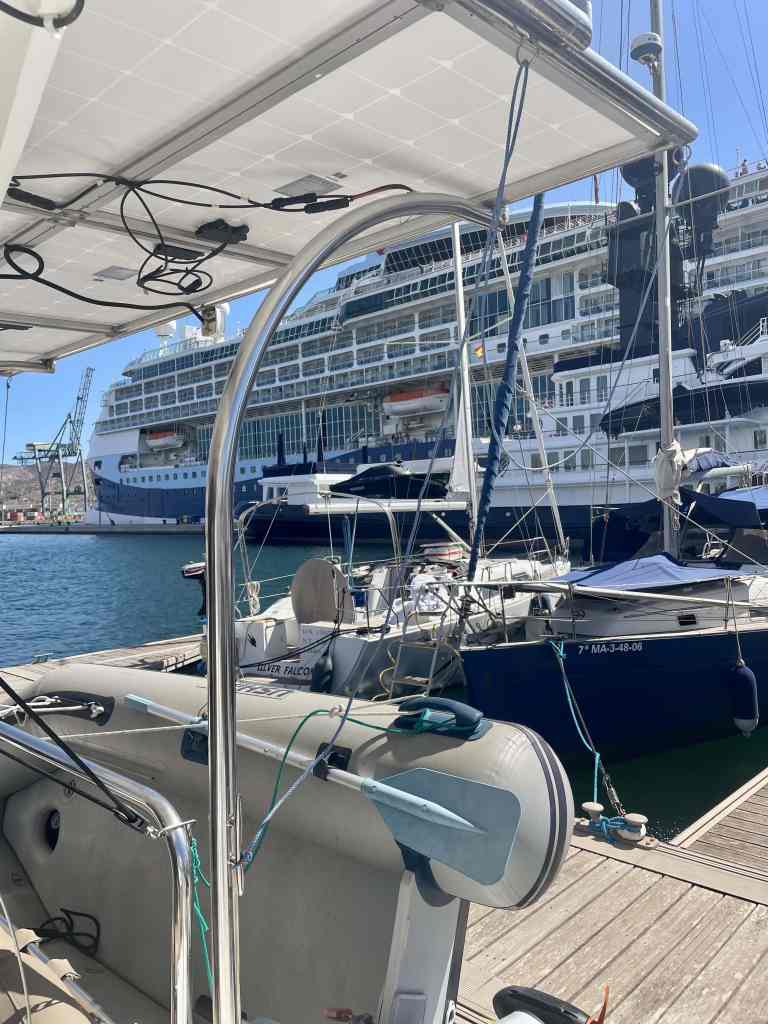
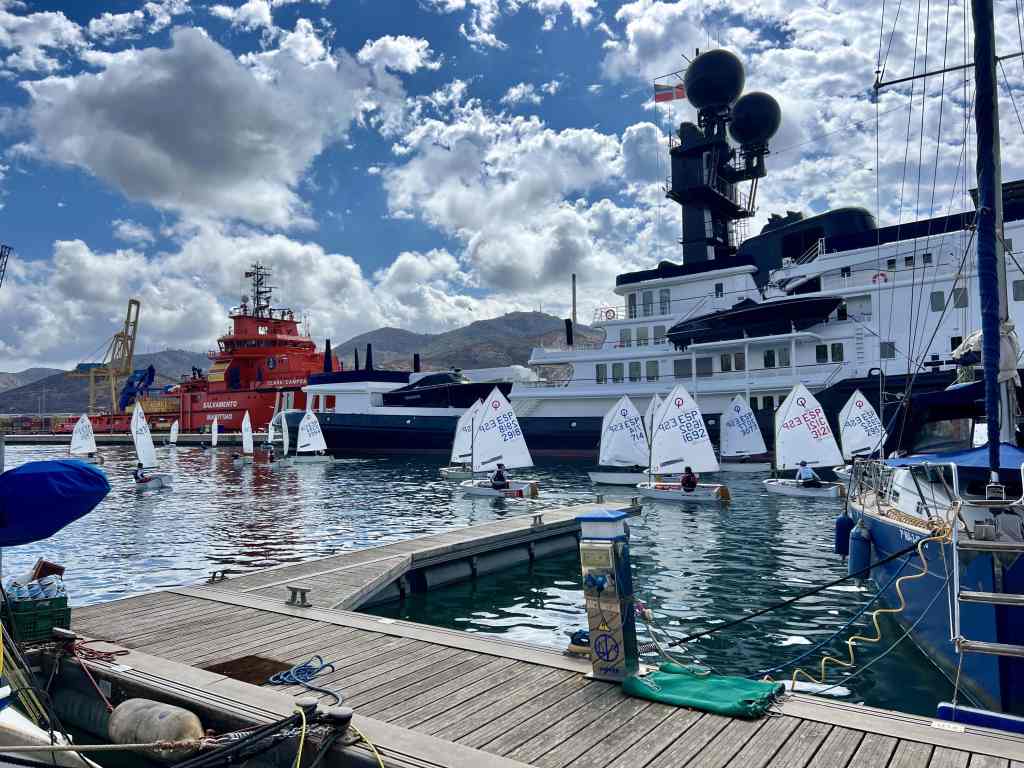
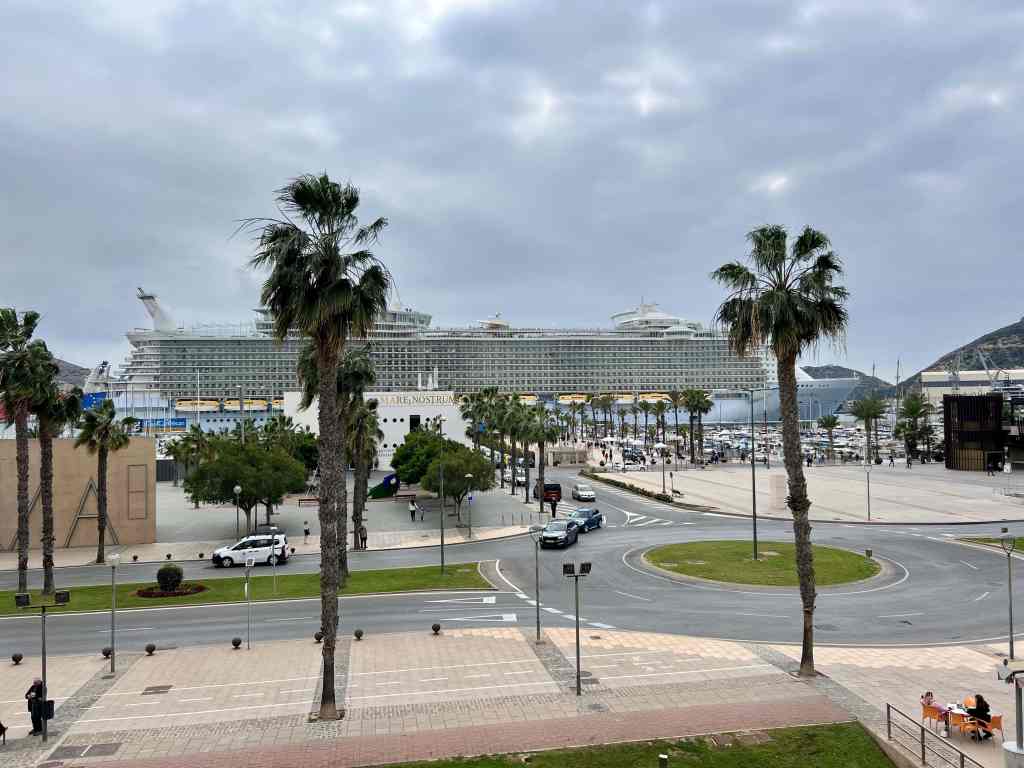


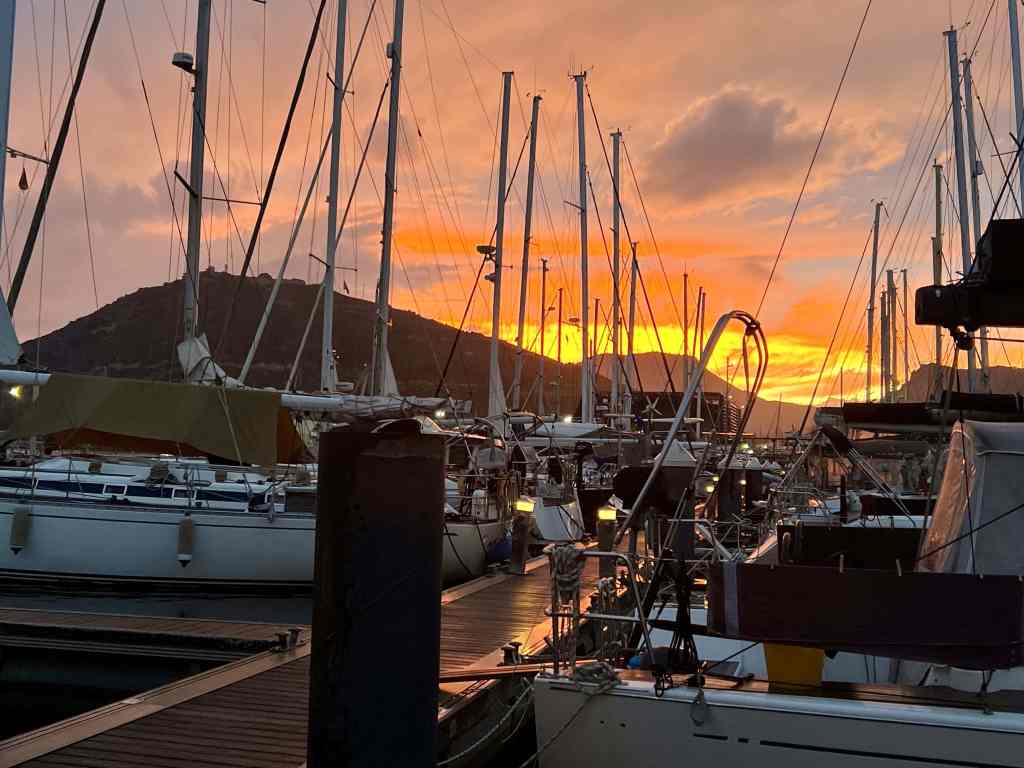
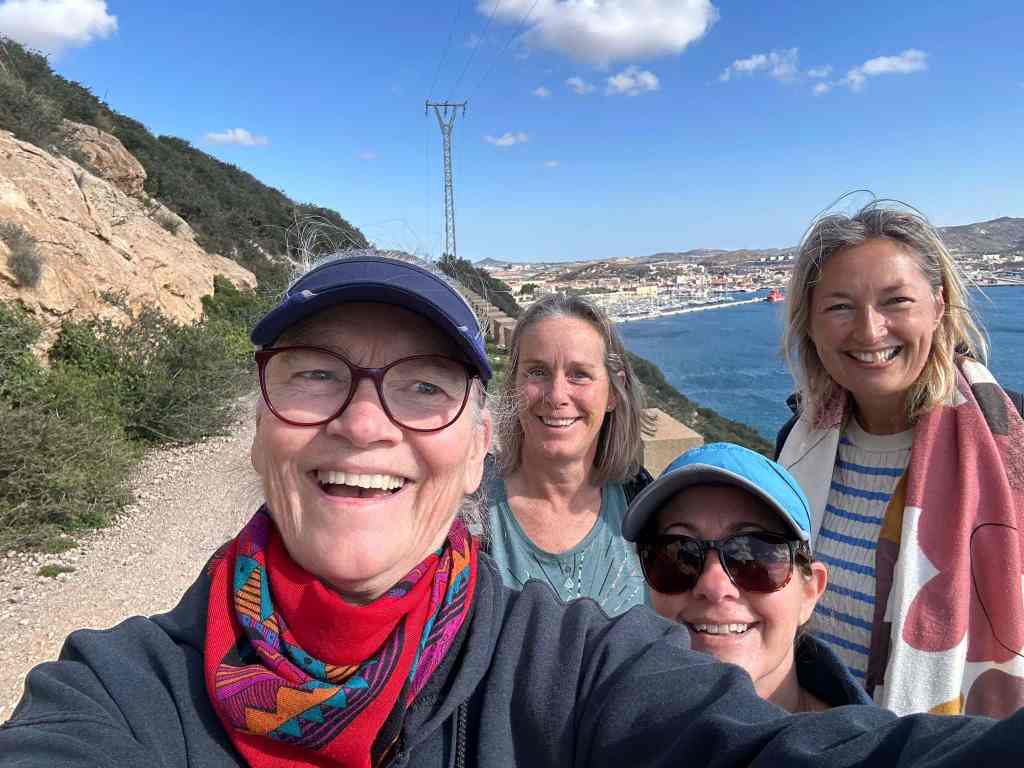
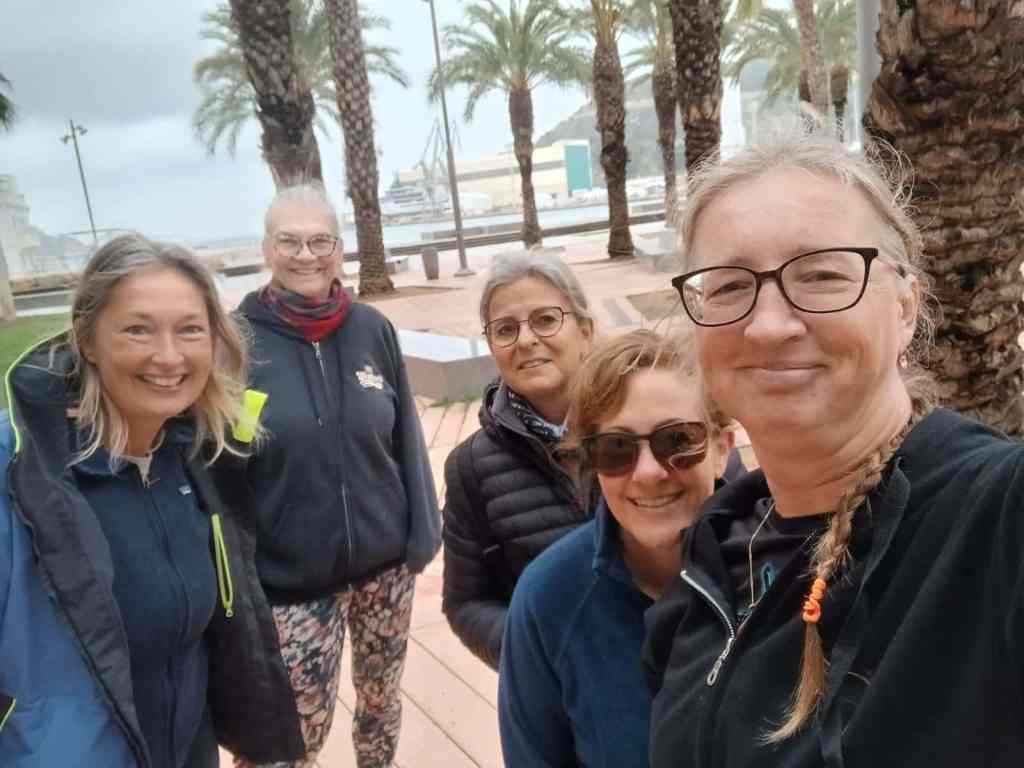
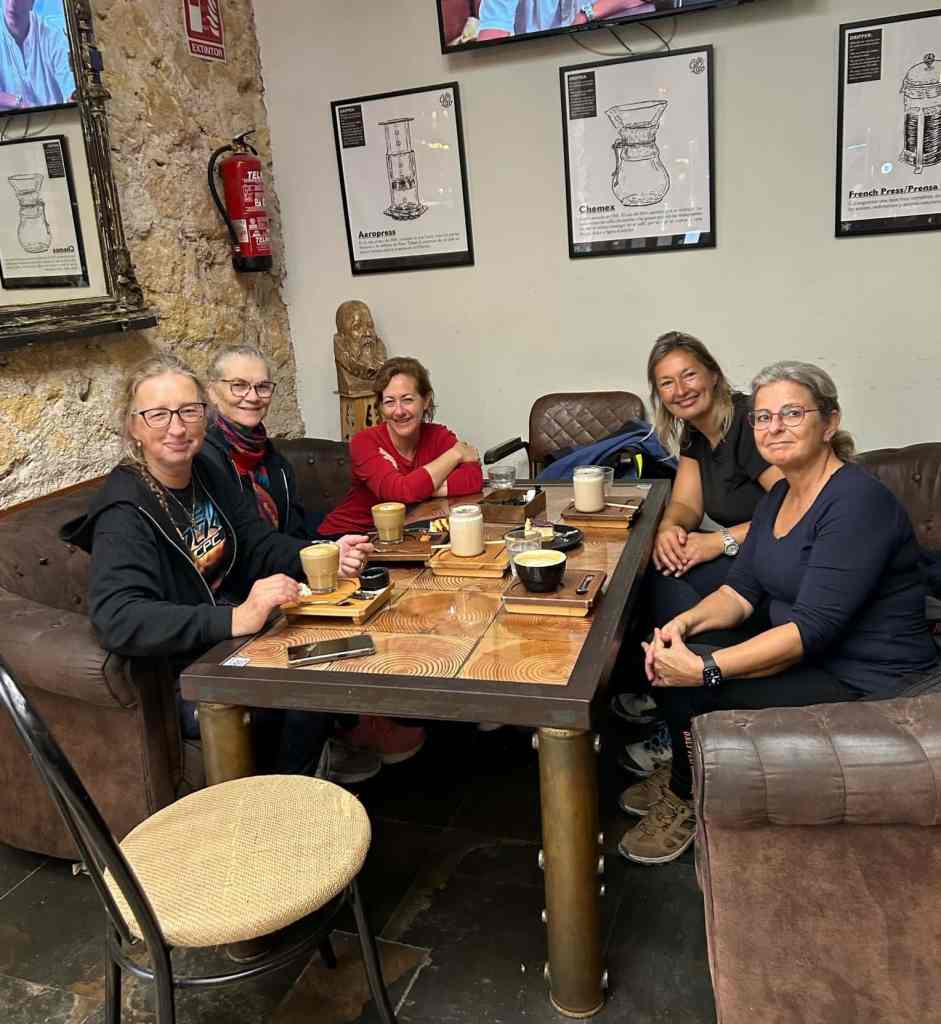
Then, what really makes a winter berth is the live-aboard community. This winter, the community is made up pretty much of English speakers, which is nice for us. You’ve got many Americans, Canadians, Irish, English, Australians, Dutch, and Scandinavians. (Sorry if I’ve left someone out!) Though less active than the community in Licata, it’s a very nice group and we’ve enjoyed the Sunday BBQs that we’ve been able to attend. They also do biweekly tapas nights, and some of the women organized regular swim days and walking days. I enjoyed the walks and company! Thank you, Gunilla, Nienke, Karen, Steph, and Suzanne!
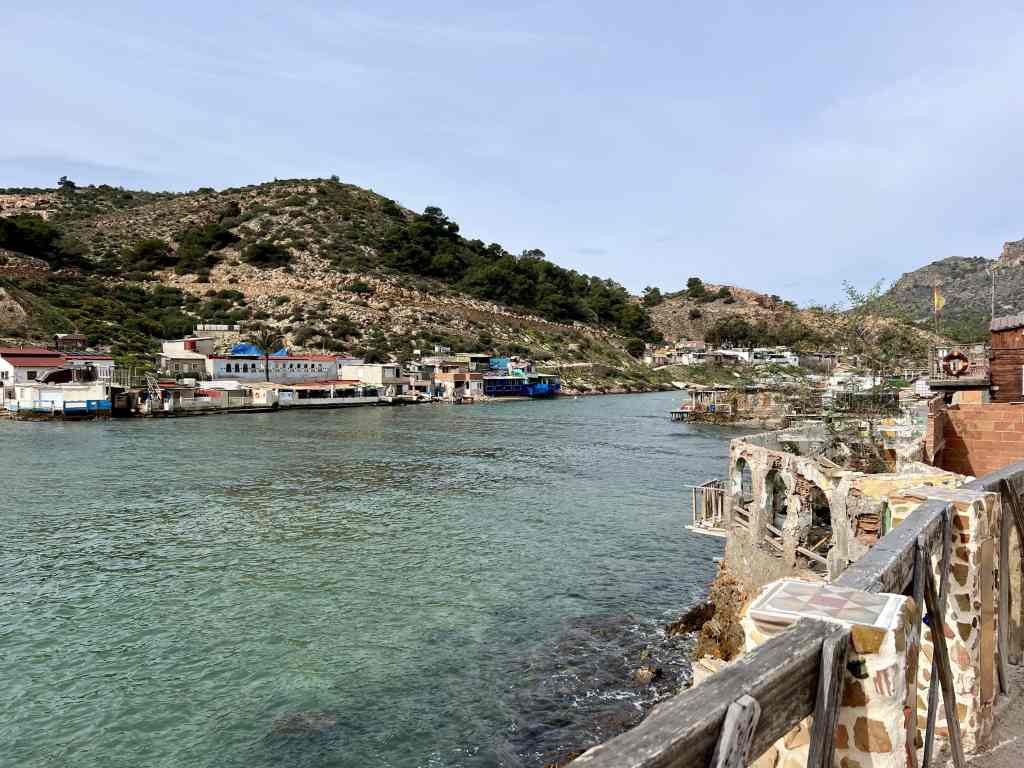
La Algameca Chica
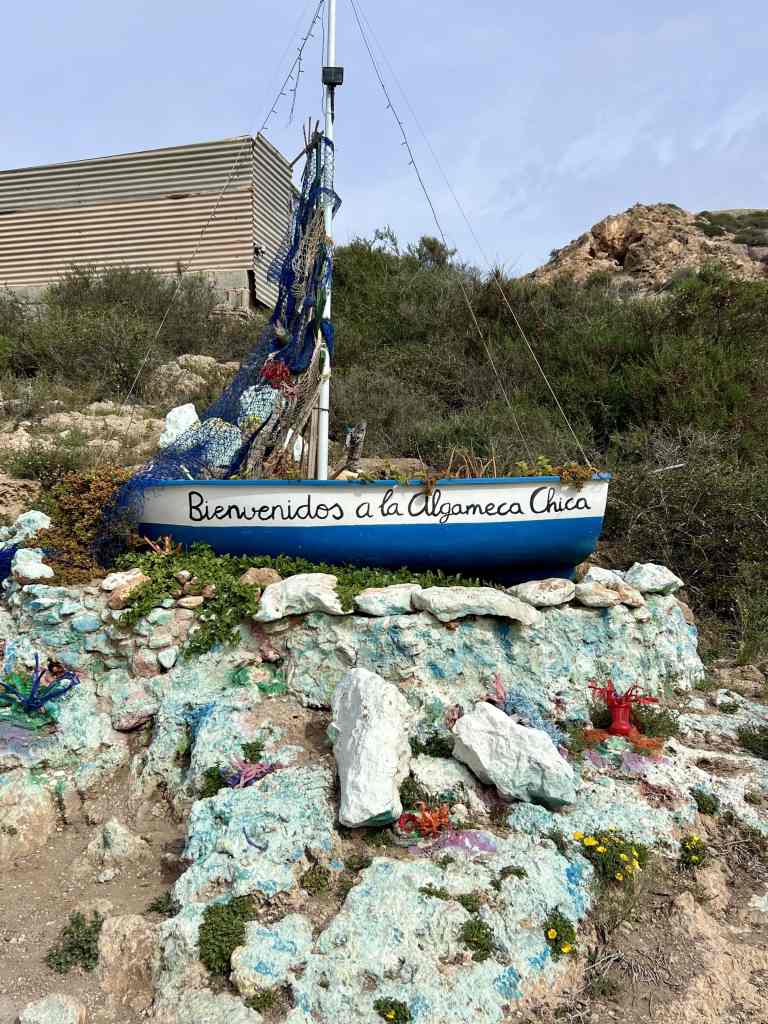
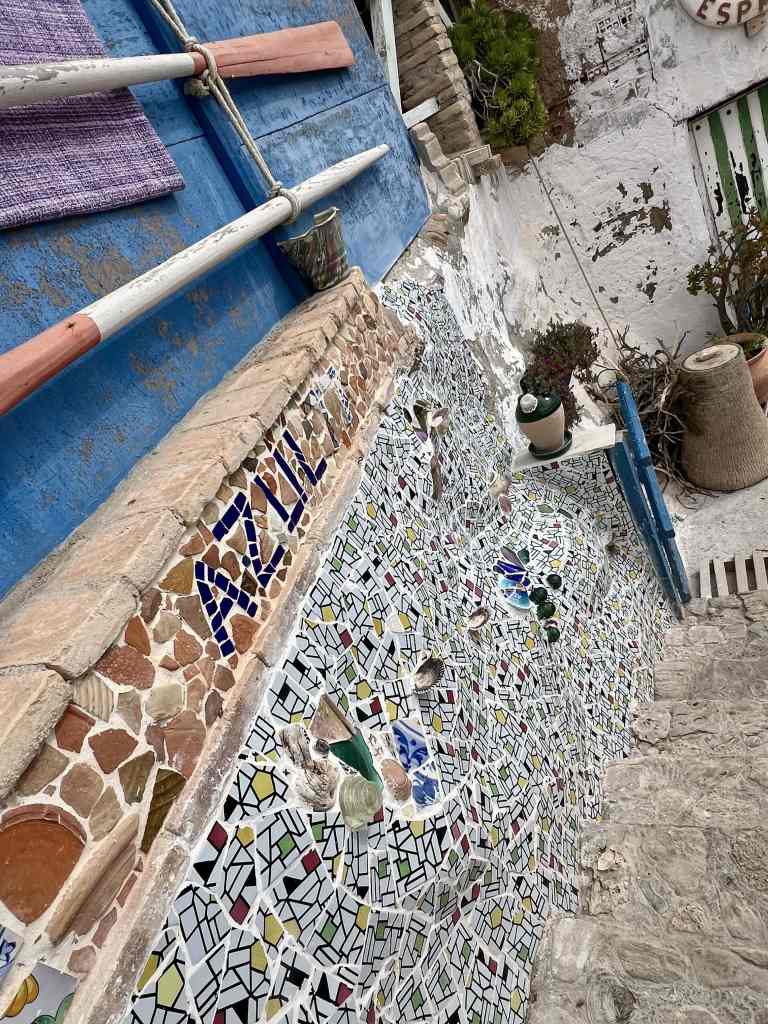
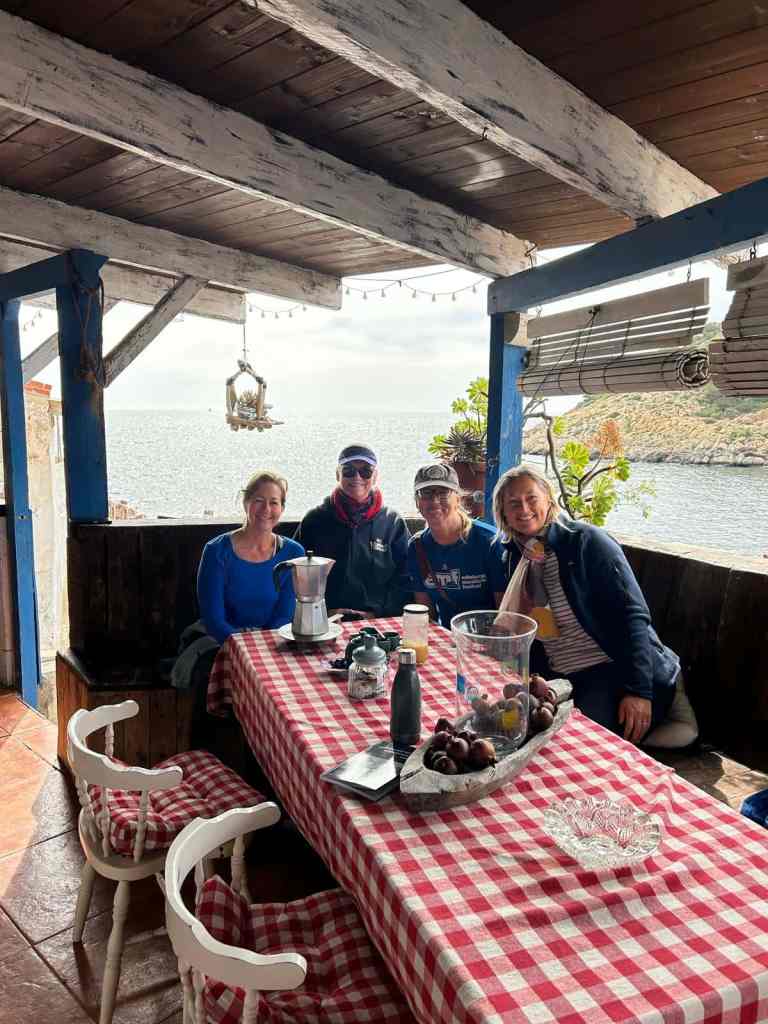
The most interesting area I was introduced to on one of our walks is the unique, self-sustained village of La Algameca Chica, which was established in the 18th century. This tiny shanty town is inhabited by about 200 people who live in wooden houses suspended over the sea, with no electricity, running water or public services. It was a fascinating place to discover, and we lucked out to meet Miguel, the proprietor of the Casa Azul, who shared his coffee and stories with us. The residents are under threat of demolition, but given their historical significance, they are hoping to remain untouched.





5. It has a handy location.
Being a part of mainland Europe (as opposed to the island of Sicily) has its perks. There are two airports nearby – Murcia (about 30 minutes away) and Alicante (about an hour and 20 minutes) – and both actually have flights to Ireland and plenty of other places around Europe. It’s also very easy to rent a car and road trip to plenty of other interesting places. (I’ll explain our road trips in a future post!) Finally, the mild winter weather has been fabulous. Cartagena sits in a nice protected pocket, so it avoided much of the storm systems that hit the rest of southern Spain this year.
Random…
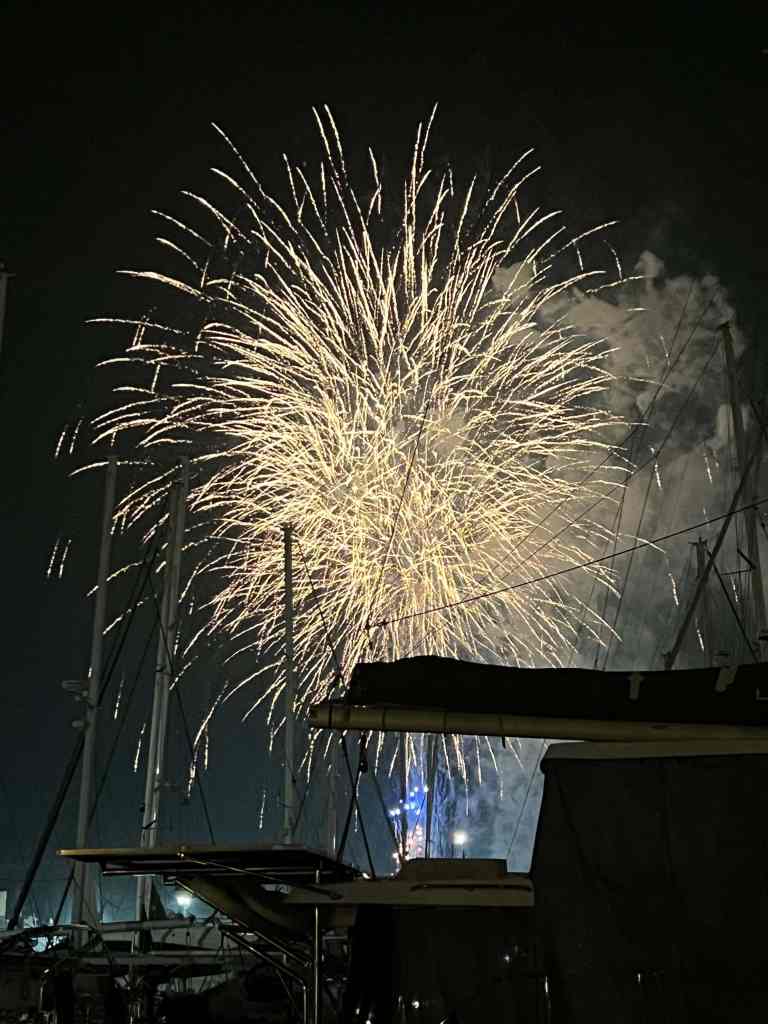
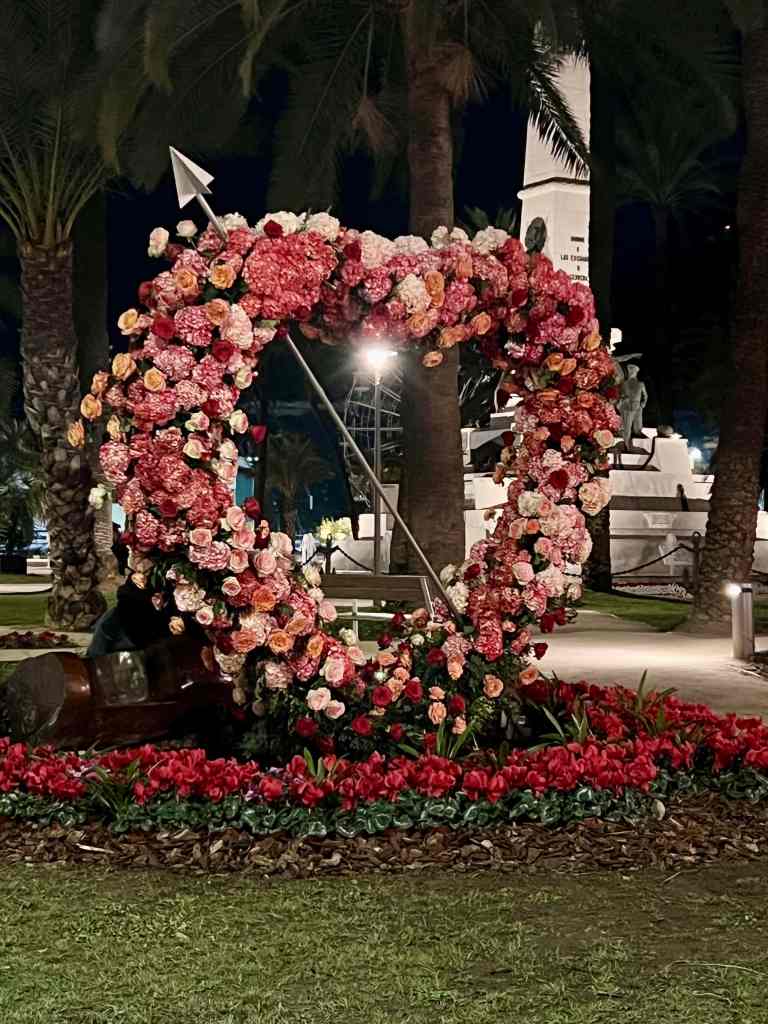
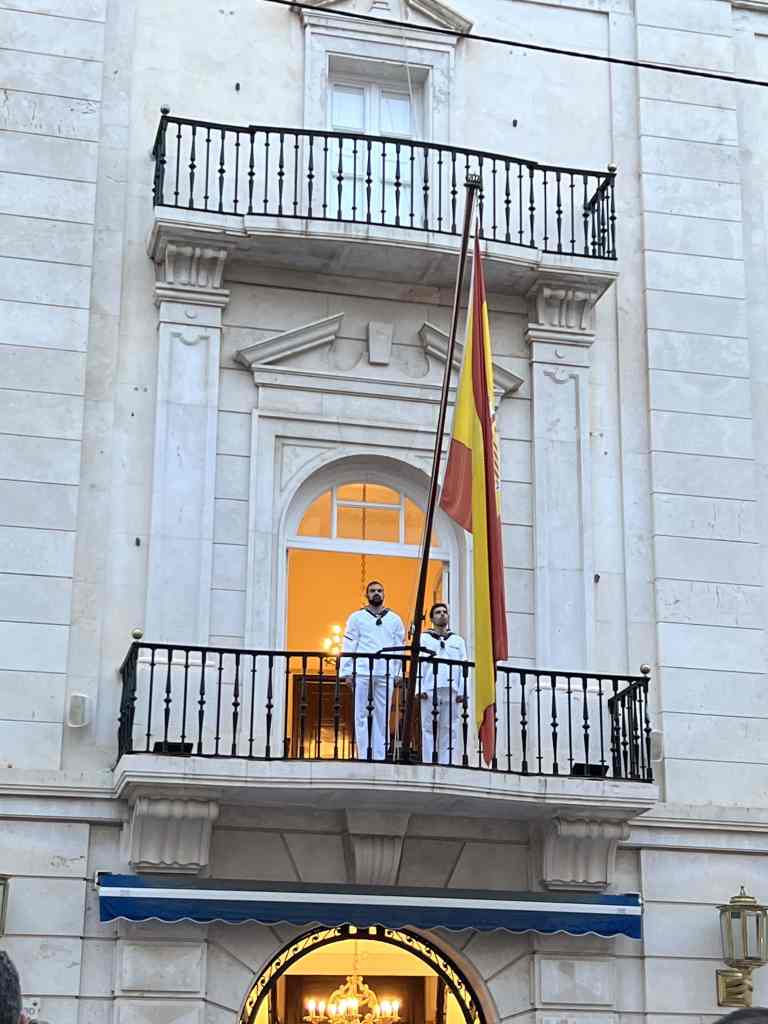
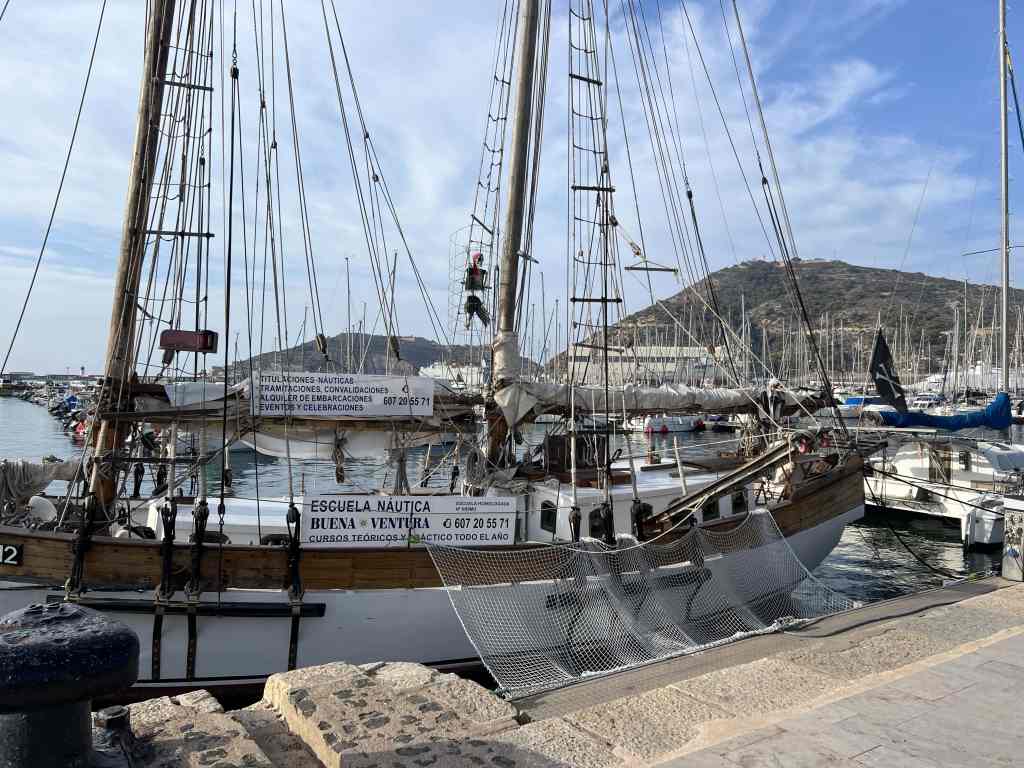
Just including some random photos here because these are things I didn’t want to forget.



Adiós, Cartagena
I’m sentimental, while Conor is not. I am always sad when we leave places we’ve lived, and this includes our winter berths. You settle in, get to know a place, establish routines, get to know people, etc. Then, you have to pick up and move. In the cruising world, this largely means moving into the unknown. I always find it a bit nerve-racking to leave the comforts of a known winter berth to begin a new sailing season, but I guess that is part of the adventure. There will always be new, fun things to discover! And, that’s one of the best parts of this cruising lifestyle.


 Sailing Sabática