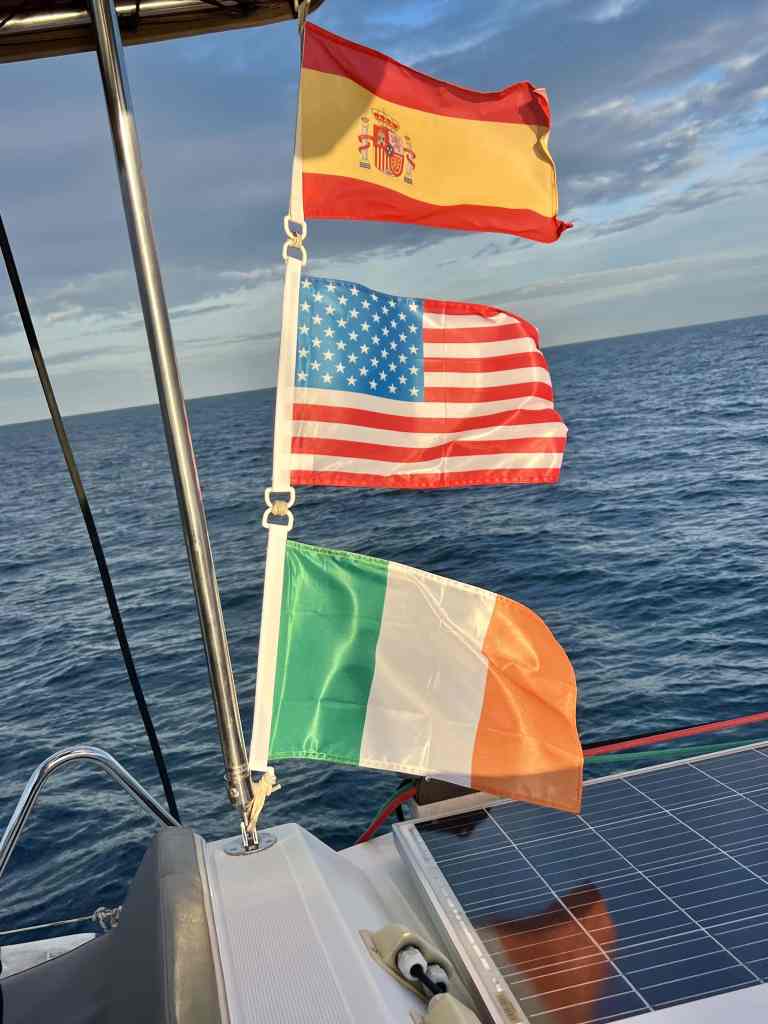
After a stationary winter, the earliest we’ve started sailing again has been in late April. However this year, we left our winter berth in Cartagena early. We were on a mission to reach Gibraltar before March 26th so Sabática wouldn’t be in the EU for over eighteen months. That’s the time limit before VAT (sales tax) gets slapped on. If a boat is sold or imported into the EU, VAT gets paid. When we bought Sabática, we inherited her without VAT being paid. Given that would be a large chunk of change, we and many other sailors in the Med with non-VAT-paid boats continue to sail outside of EU waters such that we can return with a renewed eighteen months. You can check out for even a matter of hours to reset the clock. Kinda crazy, but it is what it is. In prior years, our sailing routes naturally took us through non-EU countries like Montenegro and Albania. This past year did not. So, we are at a point where we have to make a special trip.
Why Gibraltar? Well, Gibraltar is a British territory. Unlike other British territories overseas, it was also a part of the EU. (Gibraltar is a small headland on the coast of southern Spain, so its EU connection made sense.) However, when Brexit took place in 2020, Gibraltar left the EU along with the UK. Interestingly, there has been a lot of contention with Spain managing parts of immigration and trade there and wanting to have co-governance. Negotiations continue to this day, but one outcome was for Gibraltar to join the Schengen Area. (Remember the difference between the EU and Schengen? 😉 Gibraltar and a handful of other non-EU members are part of the Schengen Area that has abolished border controls.) In any case, Gibraltar is no longer a part of the EU, so it makes it a logical, nearby place to check out a boat.
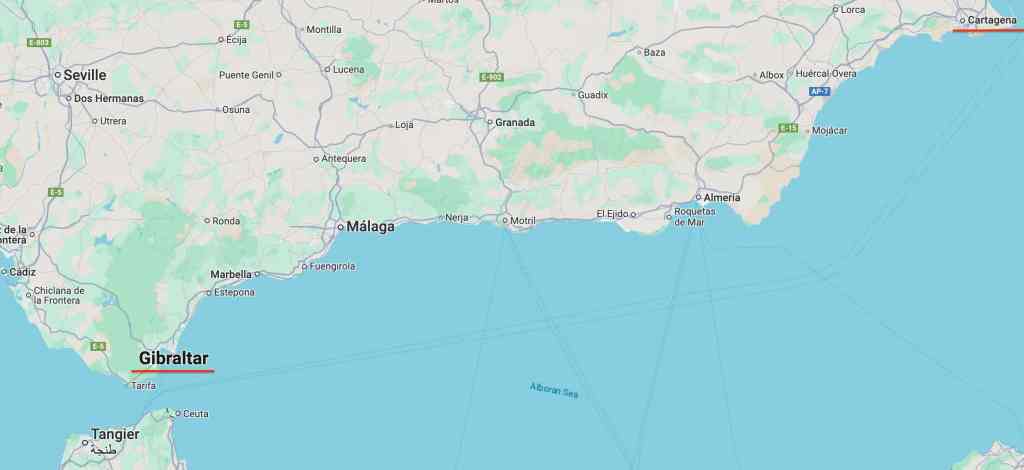
Our plan was to hop our way along the southern Spanish coast until we reached Gibraltar. We were looking forward to seeing this part of the coastline by sea, and we were interested to see Gibraltar’s Rock and monkeys. 🙂 The weather conditions in southern Spain this year have been unusually unpleasant. For sailing purposes, our weather windows have been few and far between. Conor had been studying the weather religiously for days, when he finally said we were going “tomorrow.” A day and half window opened up allowing us to make progress southward. So, Friday March 7th we left our berth, fueled up, and hit the seas.
Our first day was an 80nm (thirteen-hour) trek to an anchorage at Cabo del Gato (the cat’s cape). We dropped anchor in the dark with faith in the very sandy bottom and enjoyed a peaceful night’s rest.
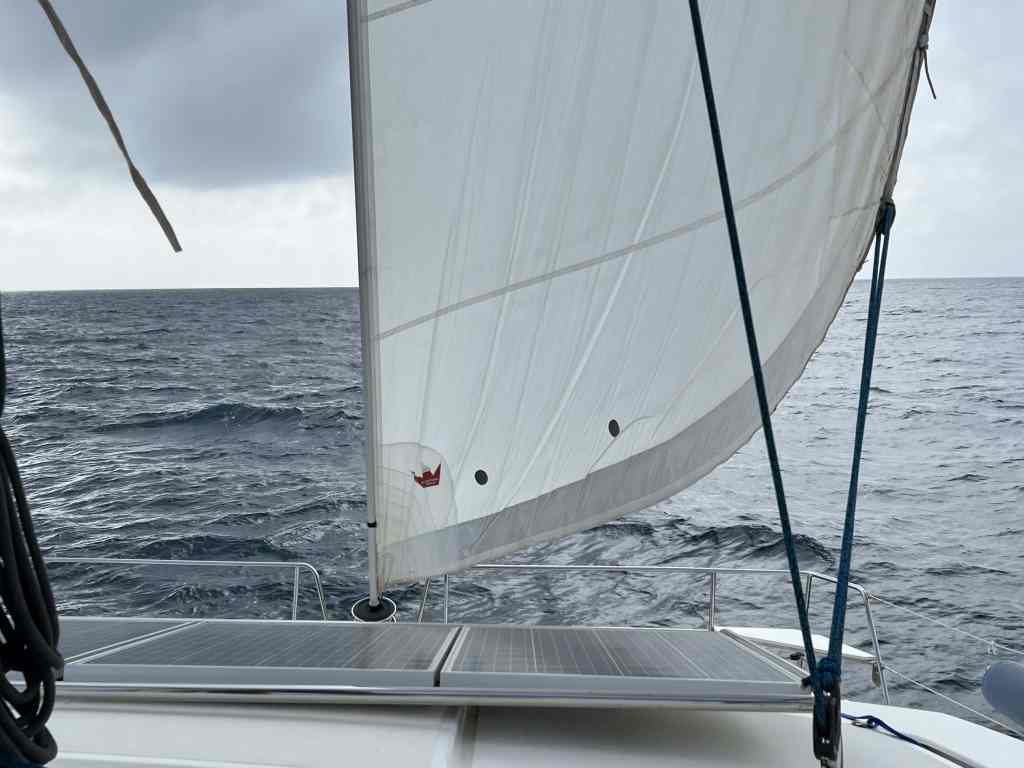
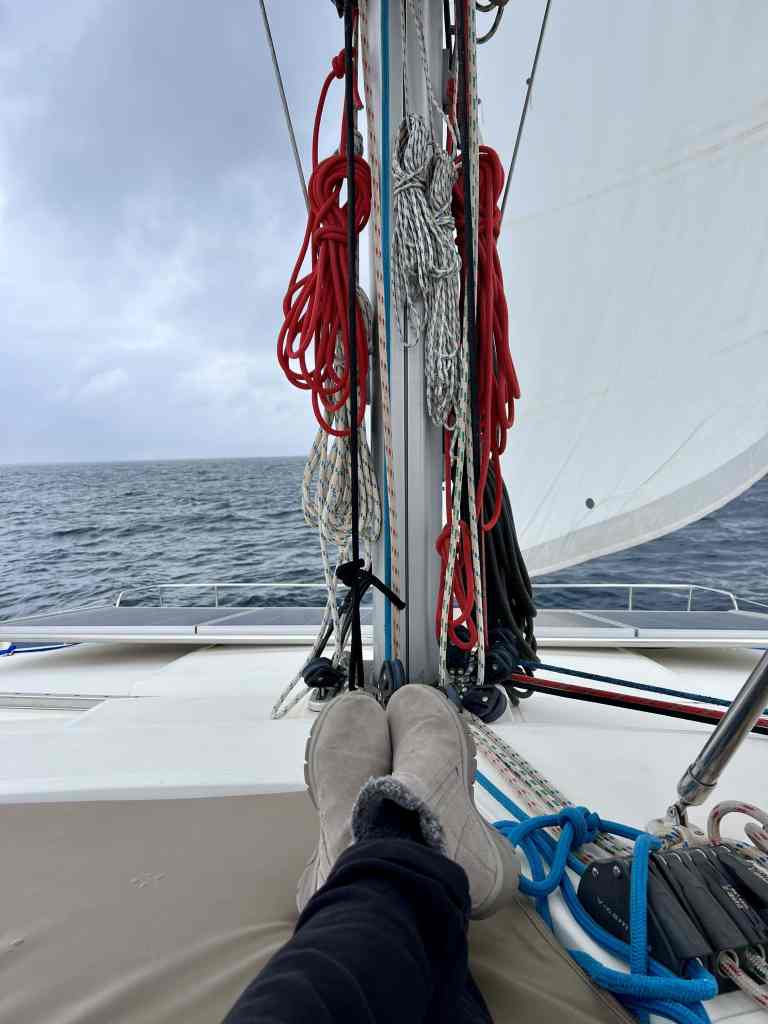
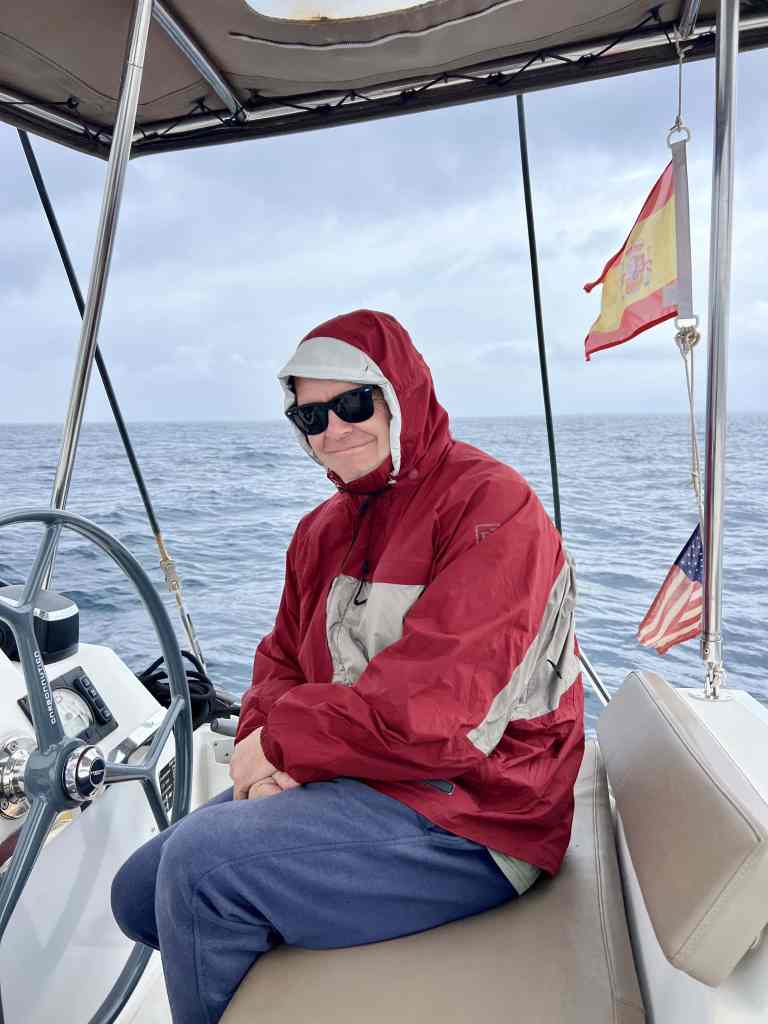
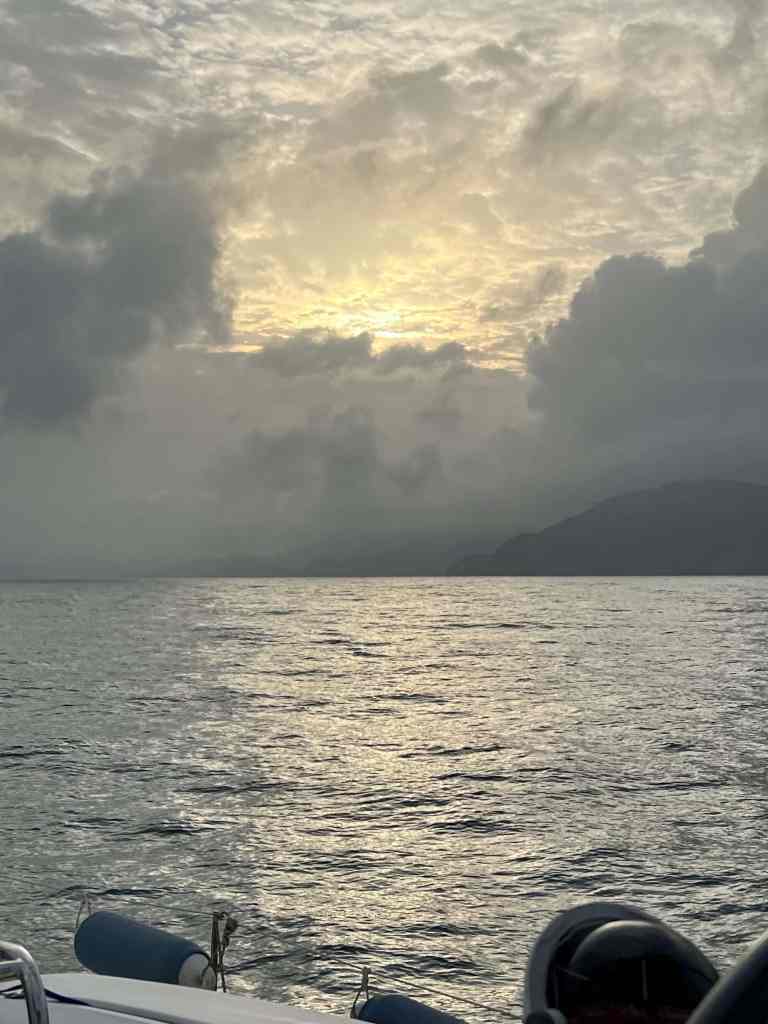

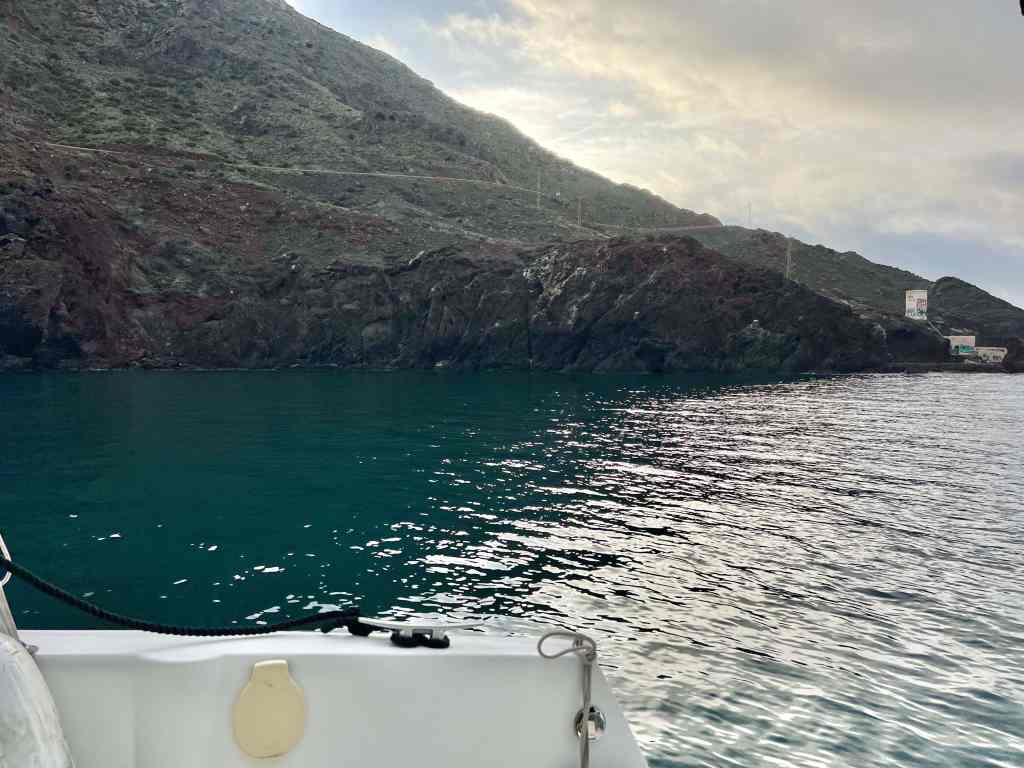
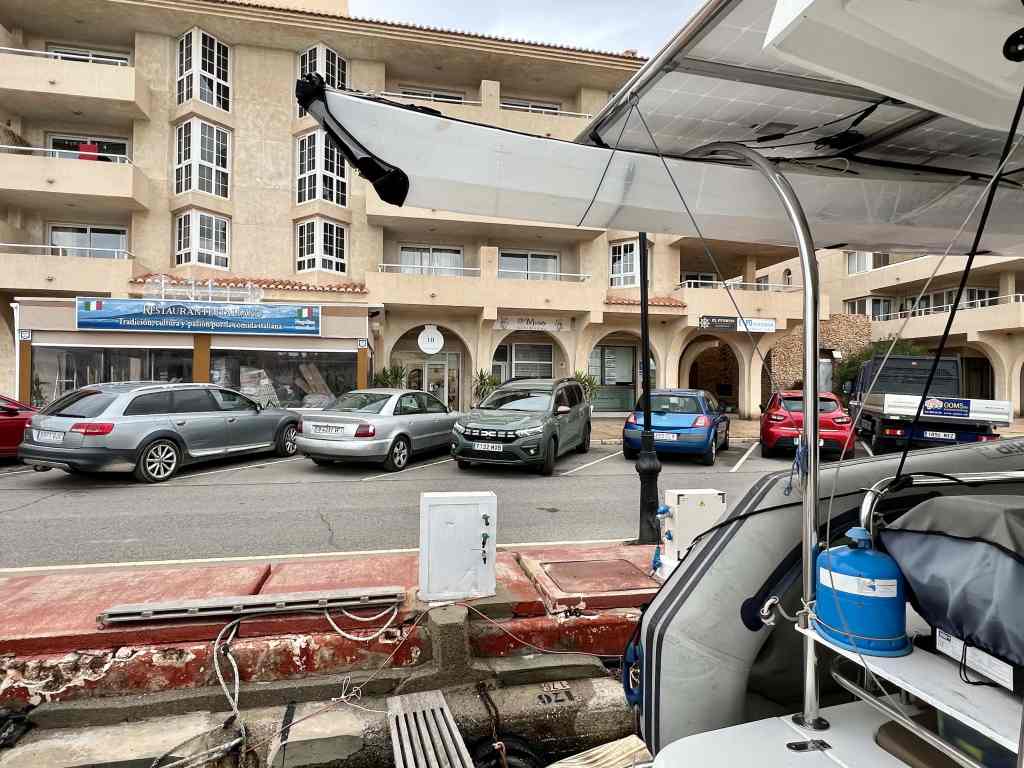
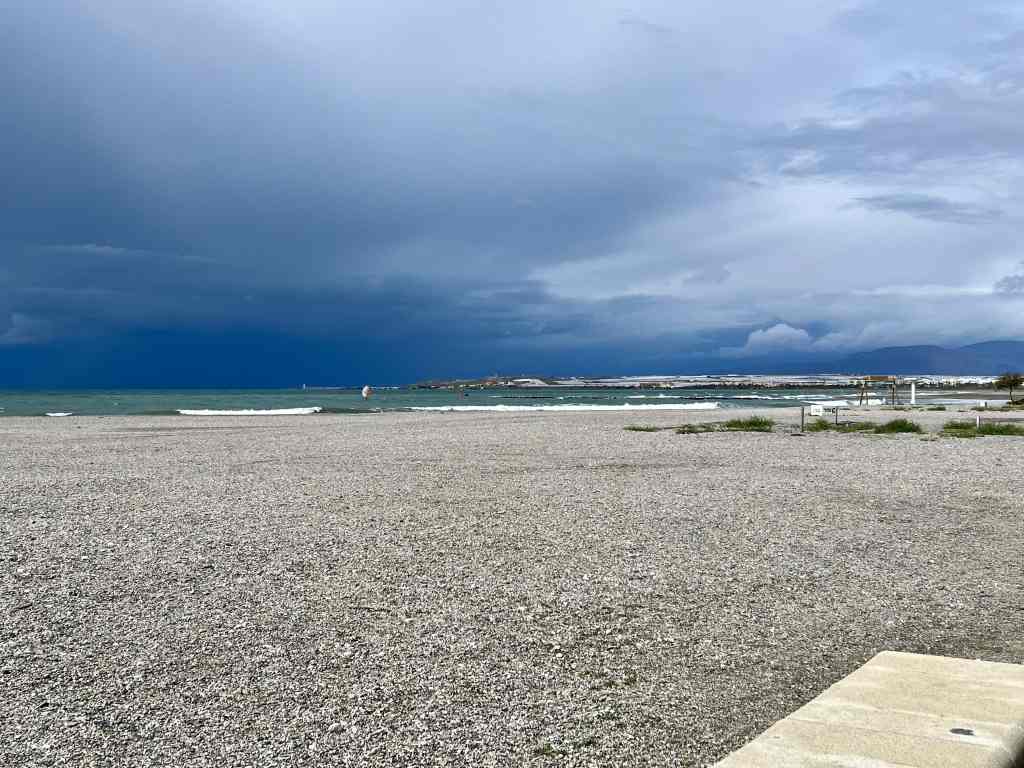
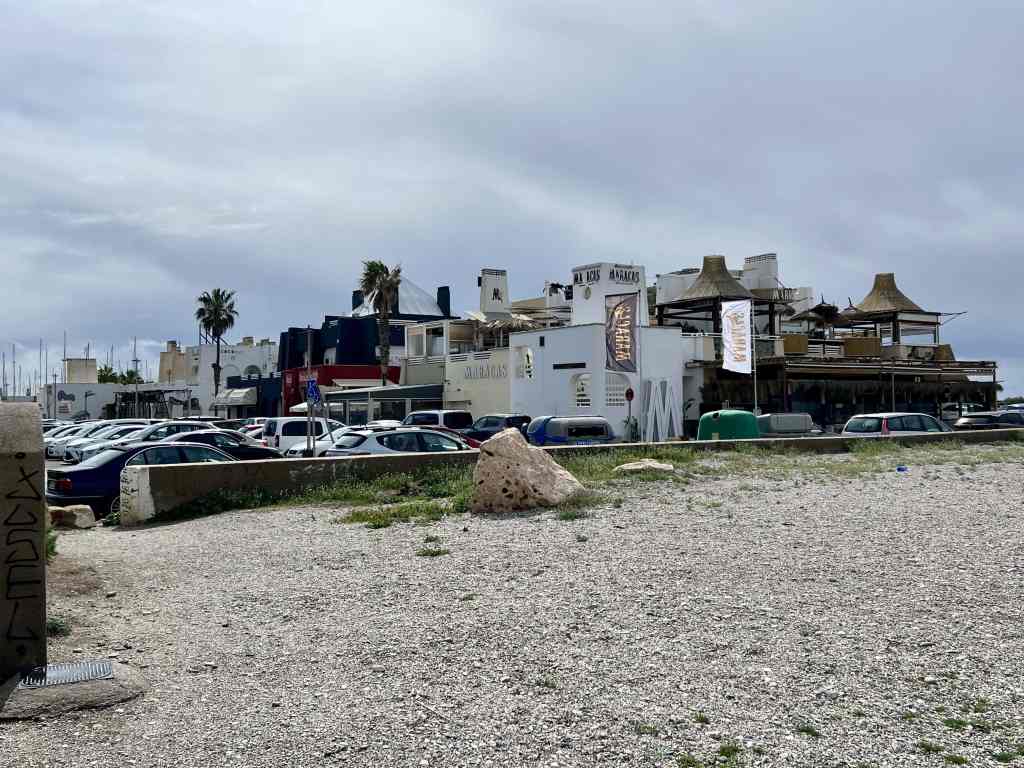
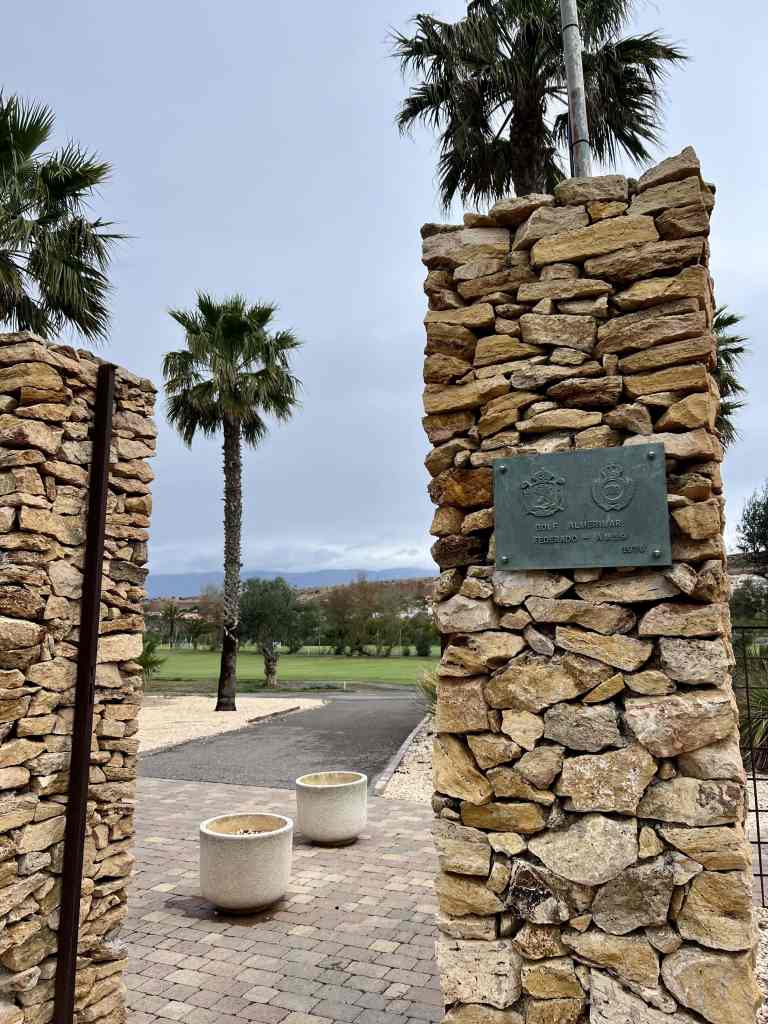
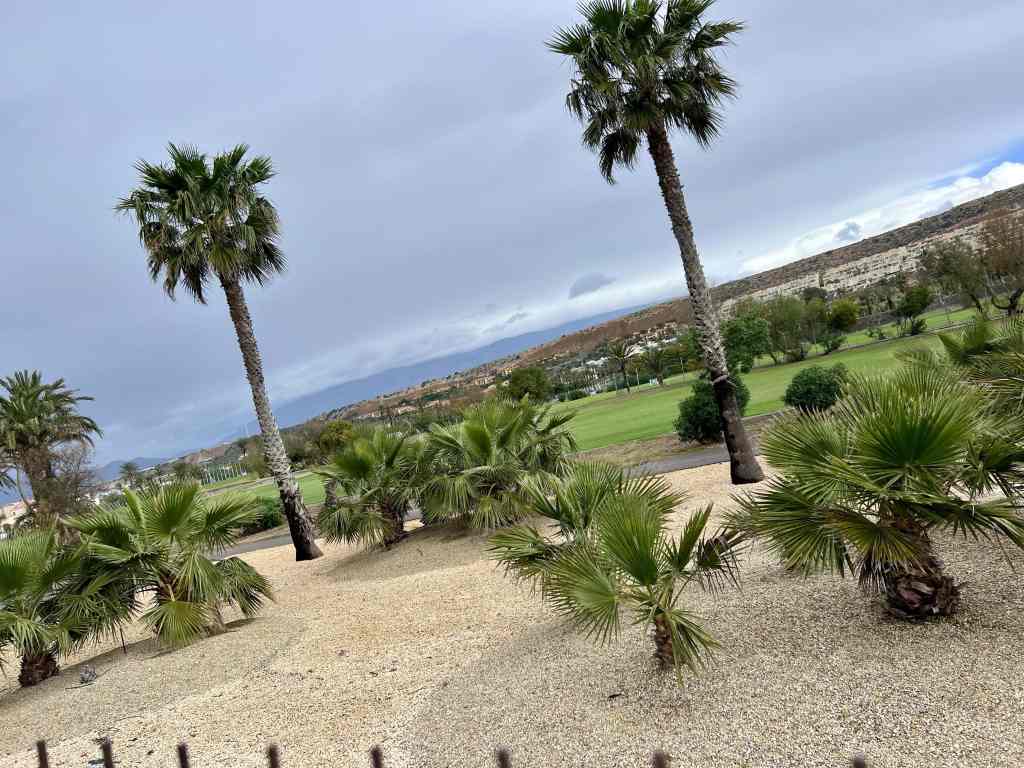
Our second day was a much shorter 30nm (five-hour) trek to the marina in Almerimar. We just needed to arrive before mid-afternoon when the winds would start howling again. Almerimar is a small town – a summer holiday resort area really – with nice long beaches, a golf course, and plenty of restaurants. Given it was March, and the weather was not great, it was extremely quiet and many establishments were closed. For our purposes, it was fine to be parked there for a while with a great Mercadona supermarket just around the corner. Side note: I have to say, I was really impressed how our (particularly my) sailing muscle memory was totally there, unlike how it was a bit rusty at the beginning of last year!
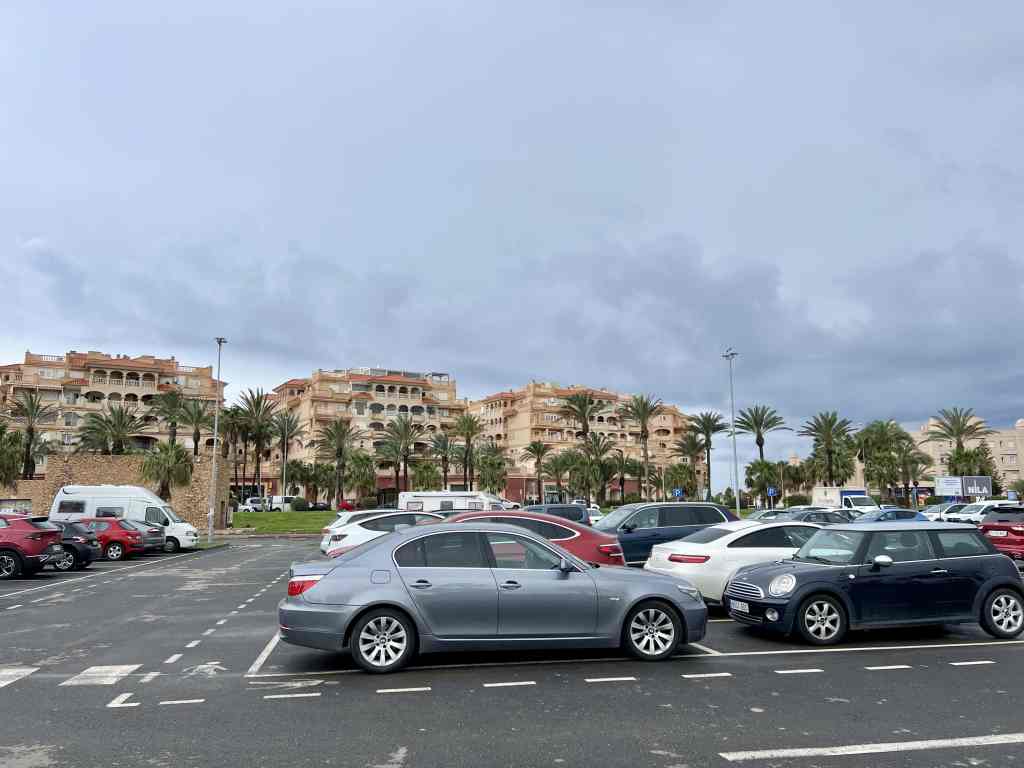


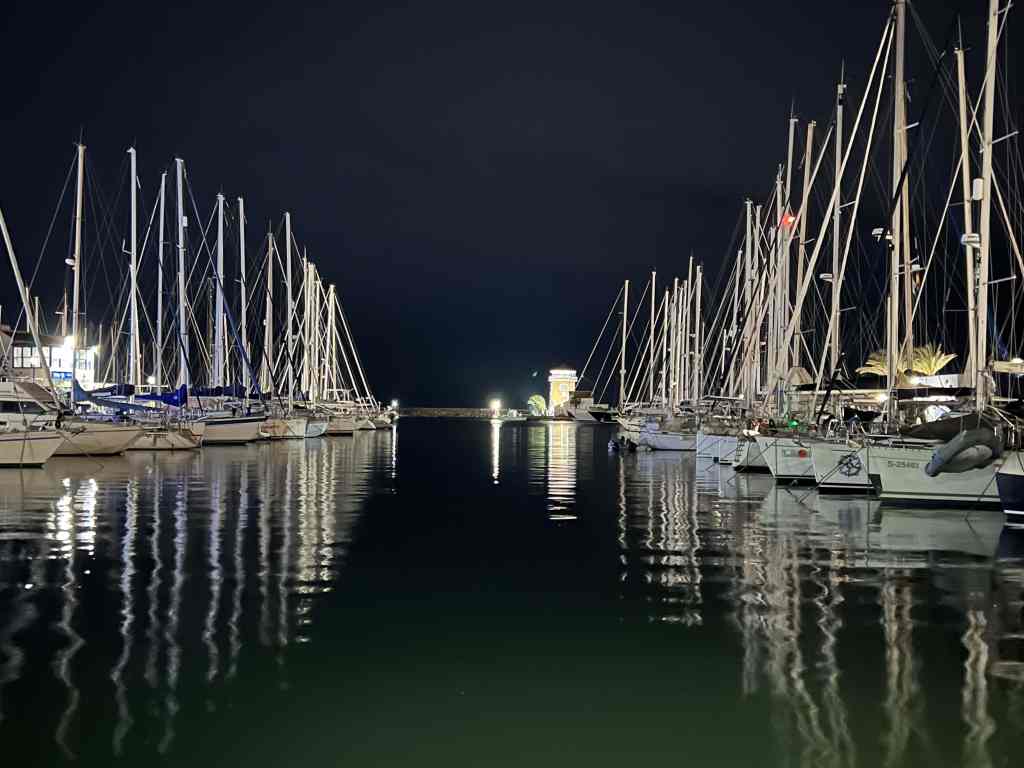
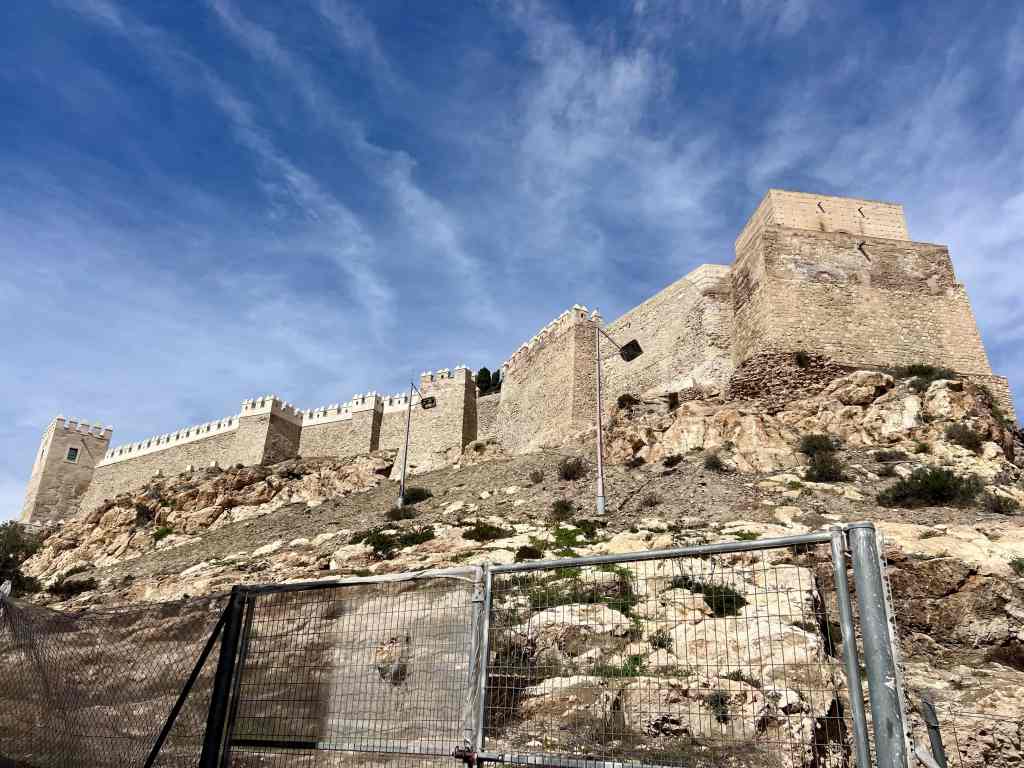
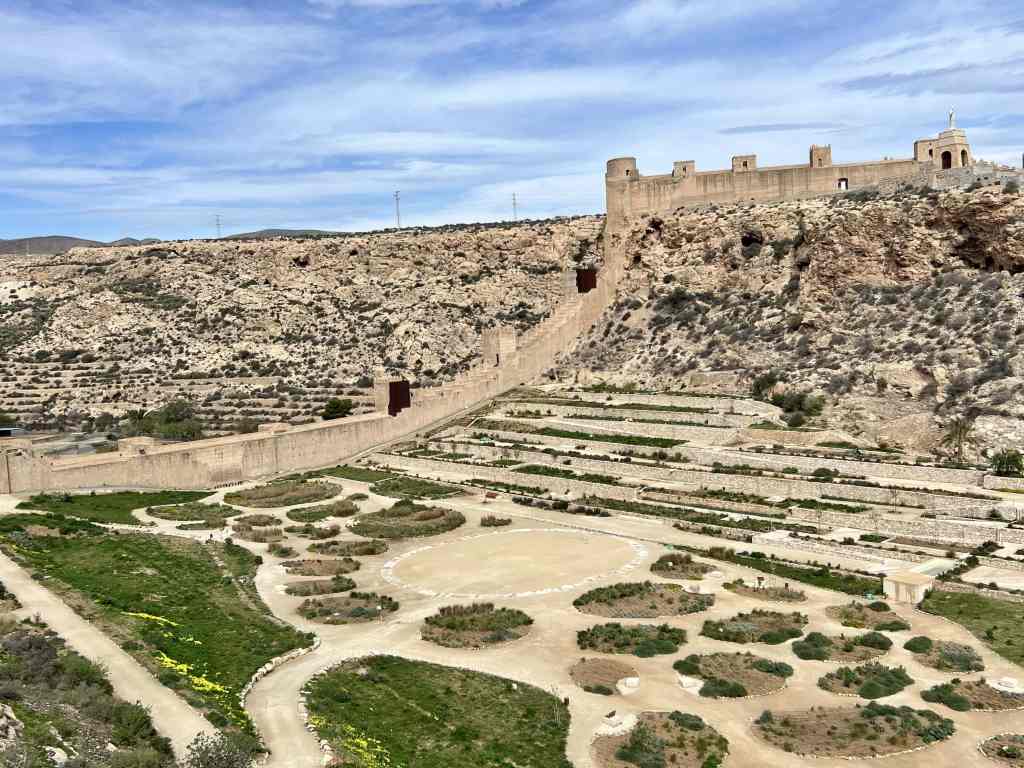
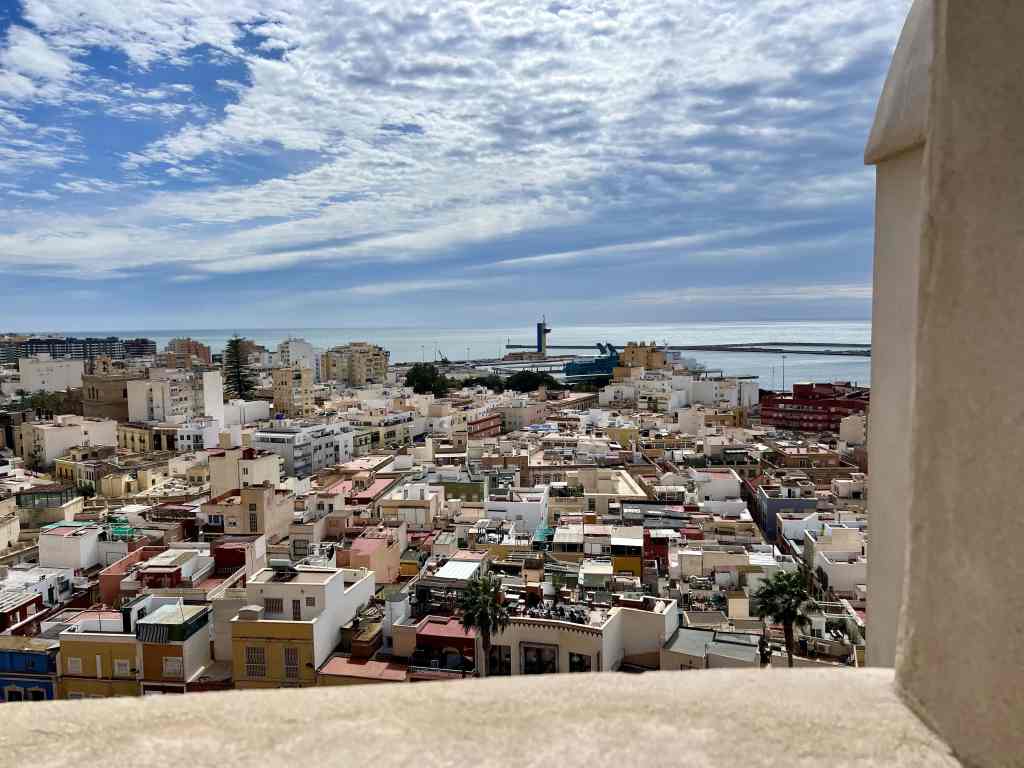
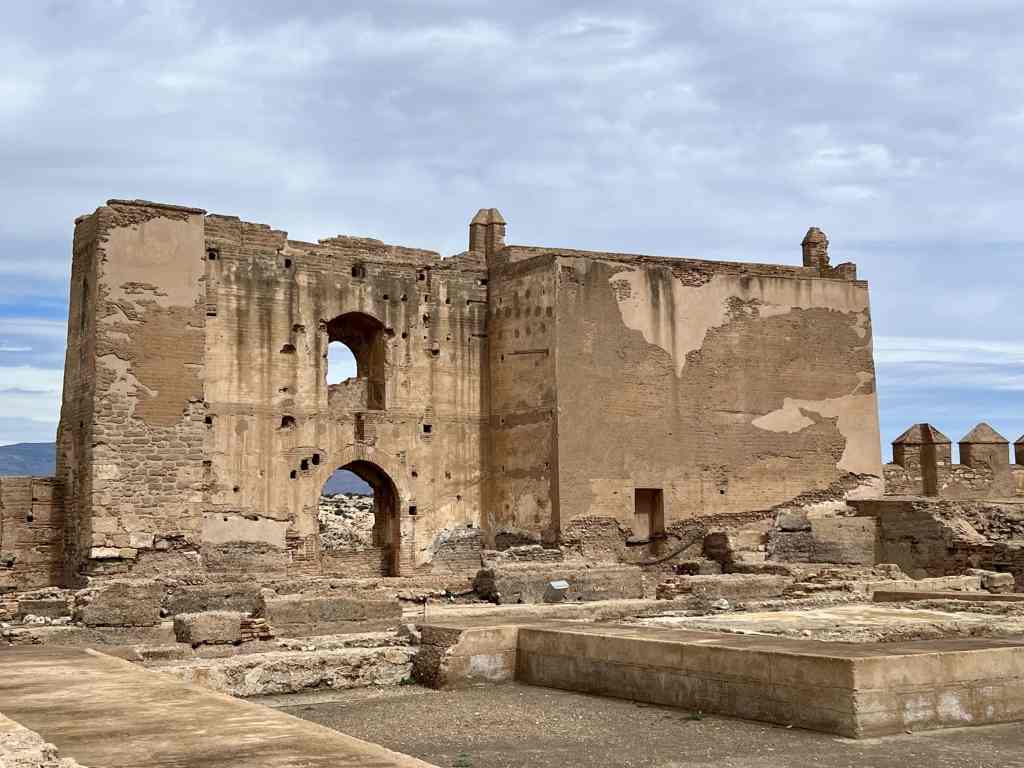
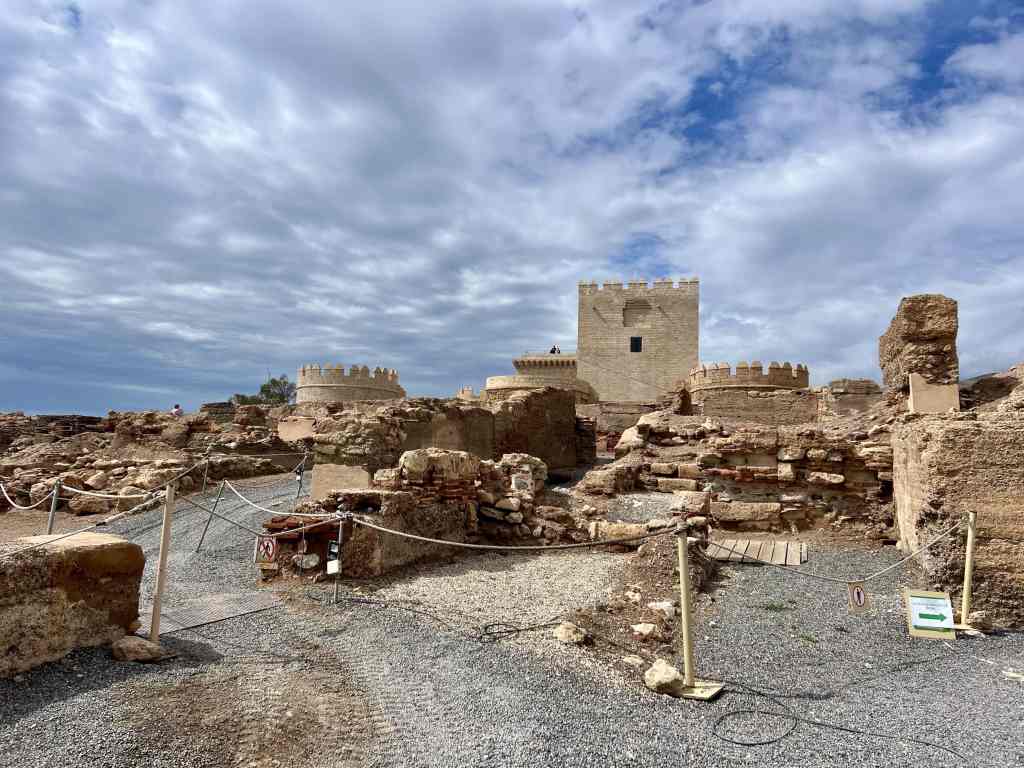
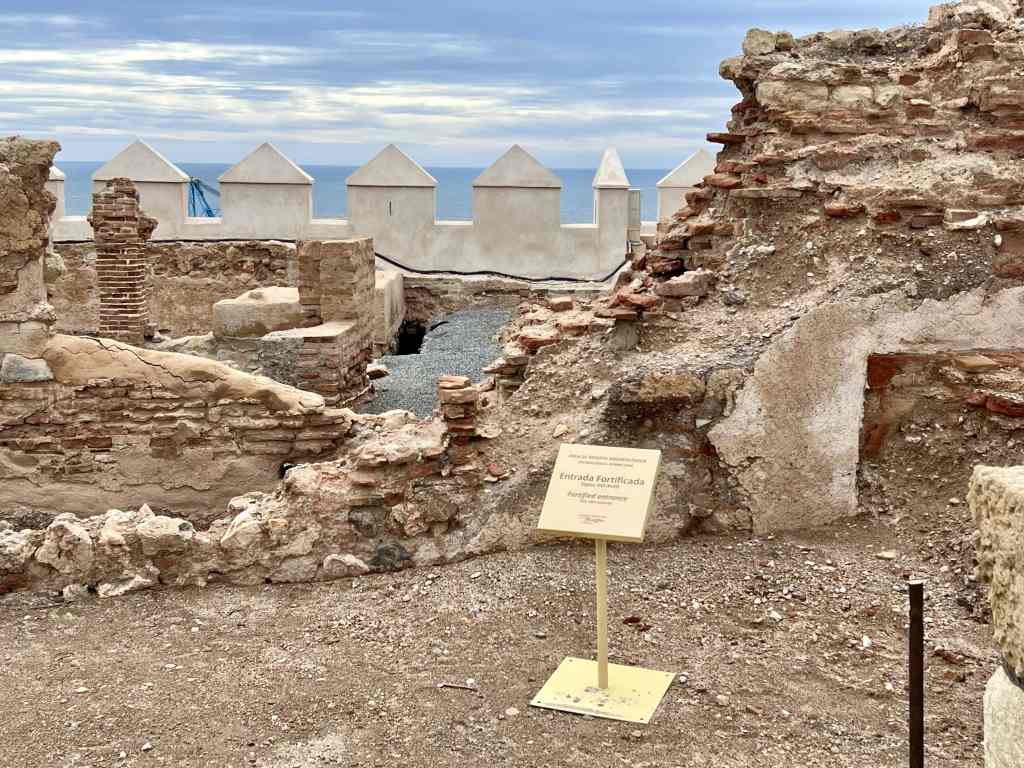
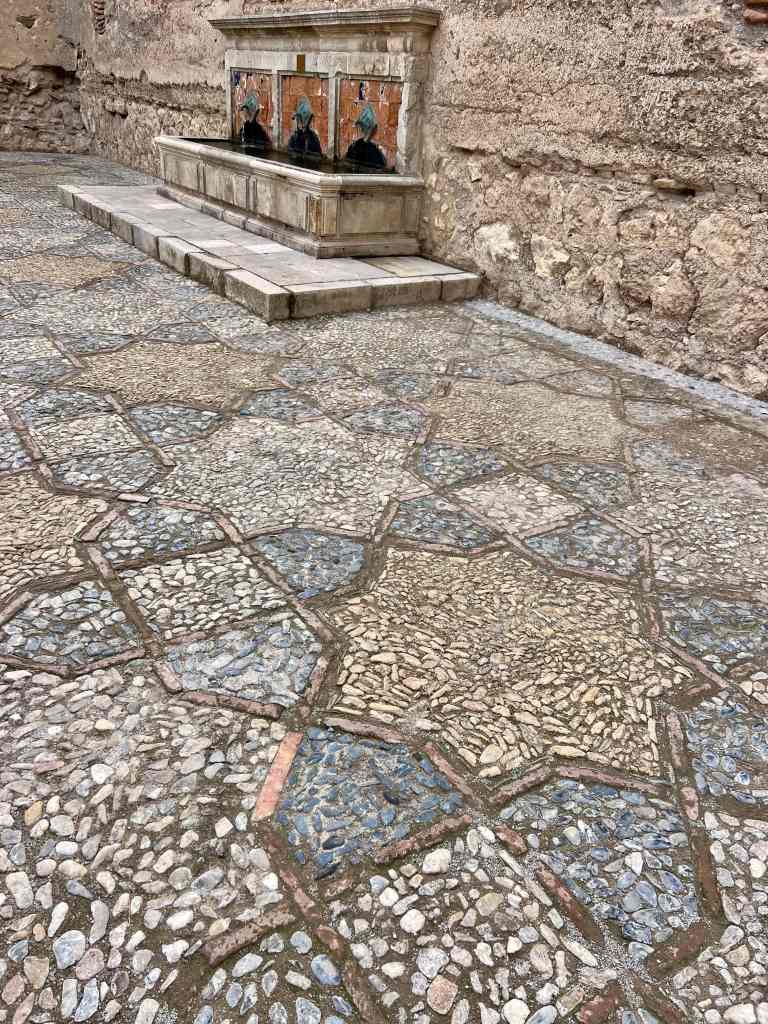
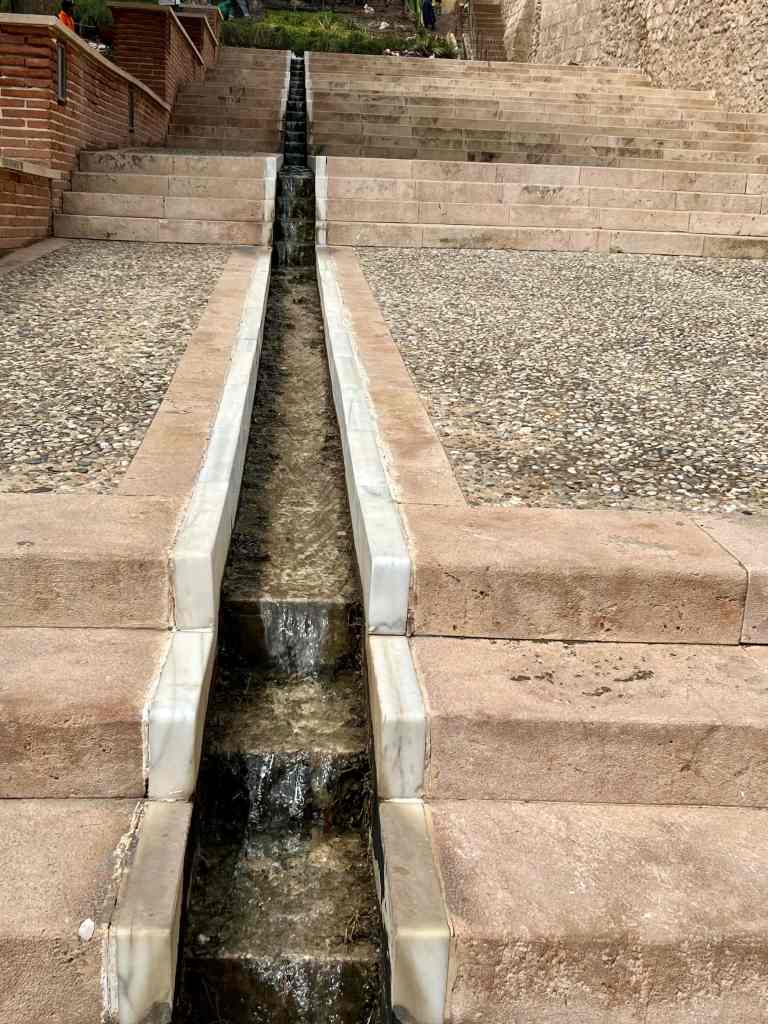
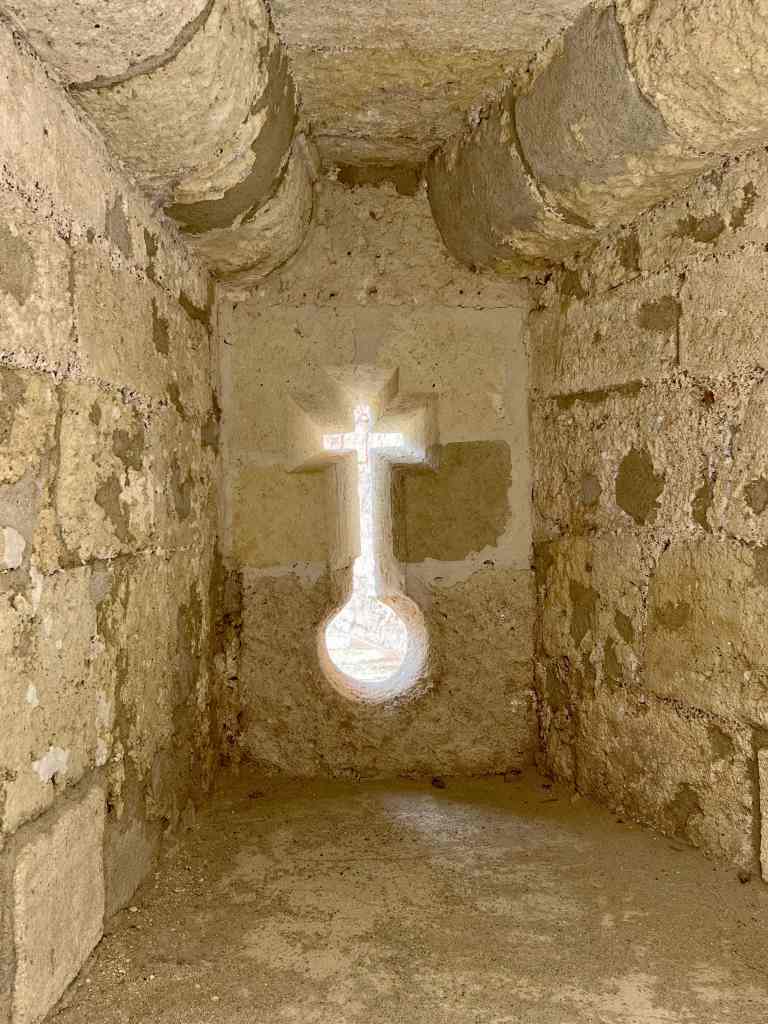
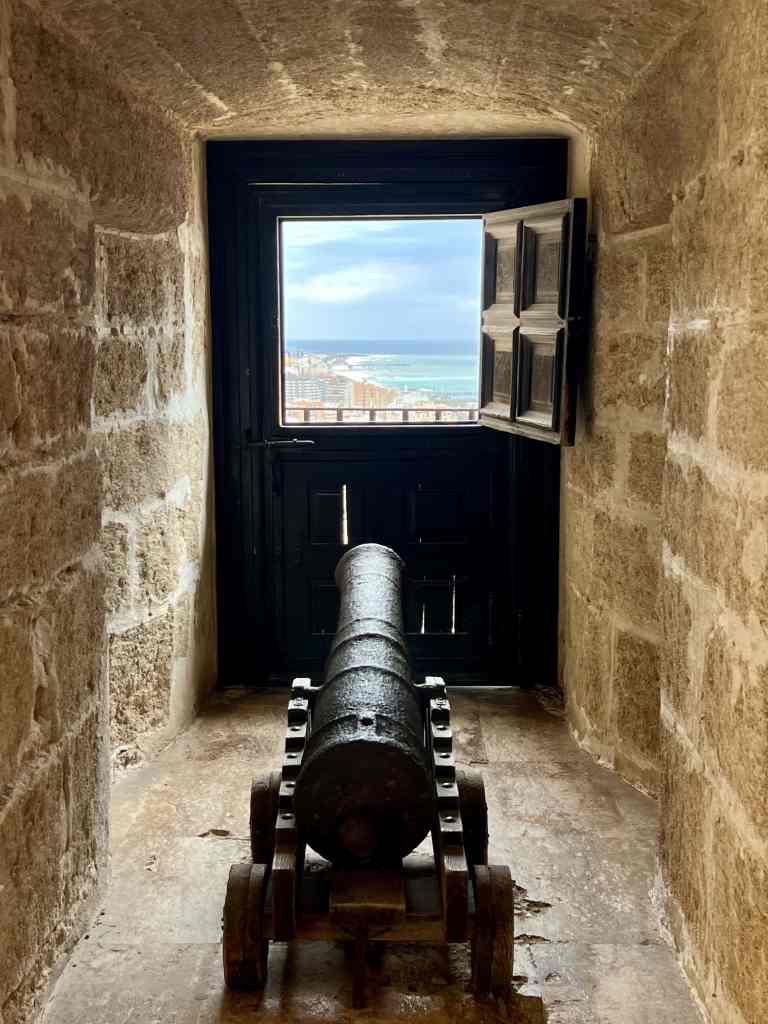
To make things more interesting and to keep (me) from going stir crazy, we hopped a taxi and spent three nights in a beautiful apartment in the nearby city of Almería. It was definitely the right call. Almería is a nice city with lovely squares, cathedral, a long La Rambla, central market, great restaurants, and most impressively, an Alcazaba. Think of an Alcazaba as a tiny walled town that contains within a fortified palace and residential areas for its citizens. The Alcazabas in southern Spain were built by the ruling Arabs during the Middle Ages. The Alcazaba of Almeria has been very well renovated so you can really imagine what it was like back in the 10th century. Worth the visit!
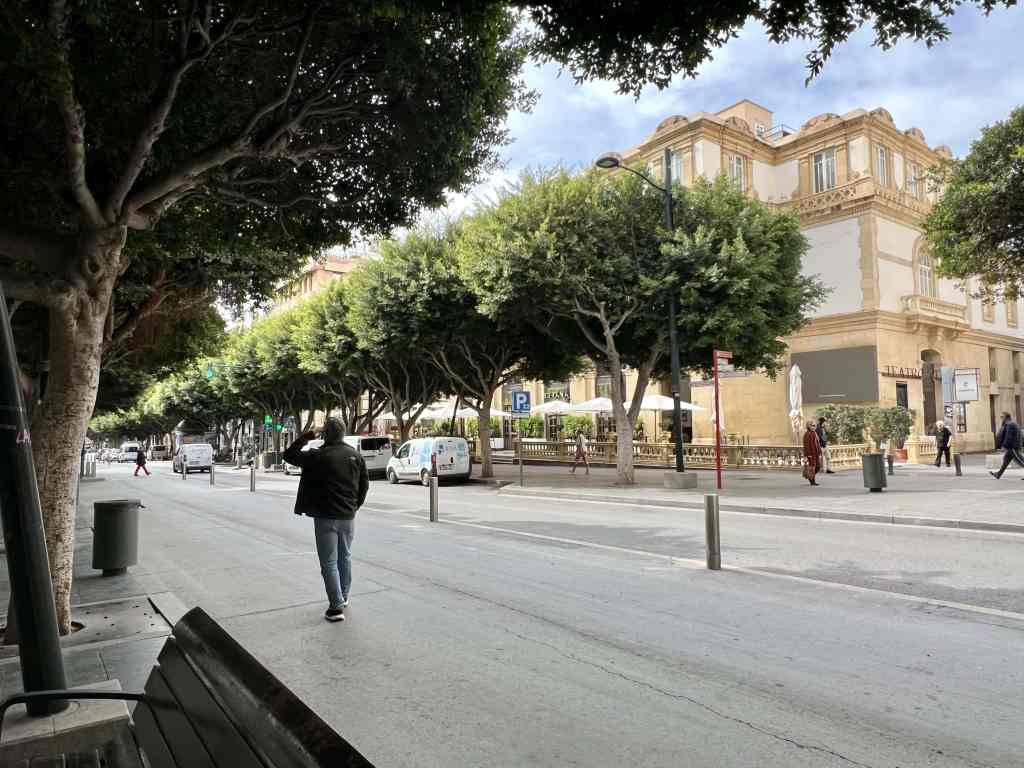
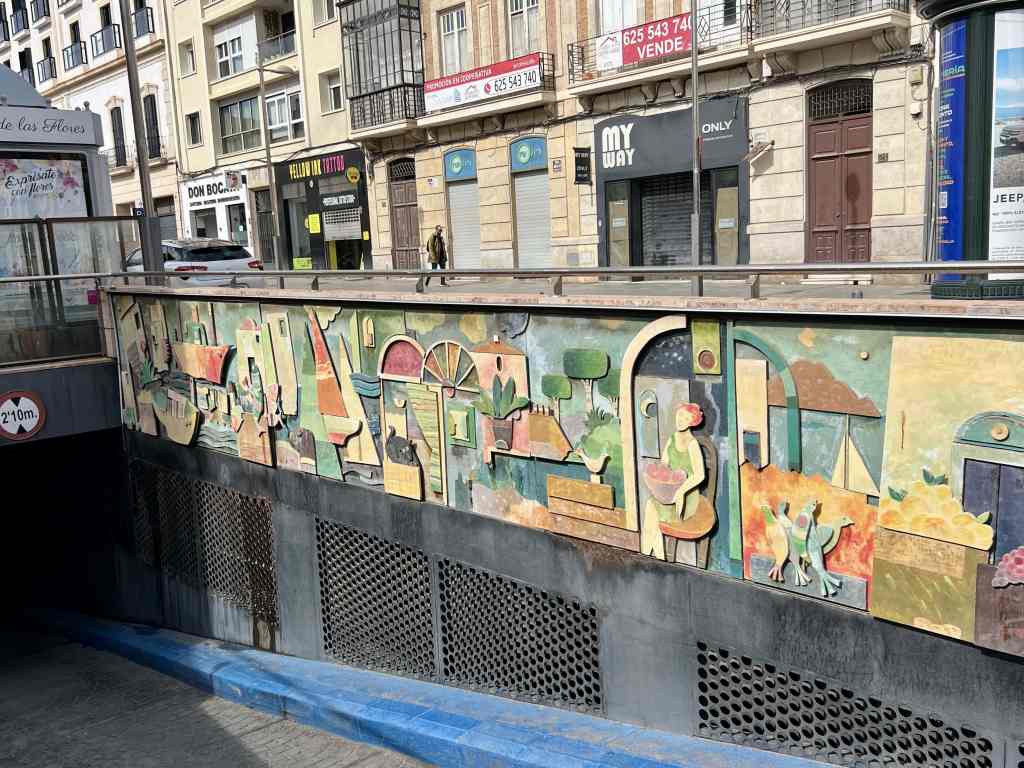
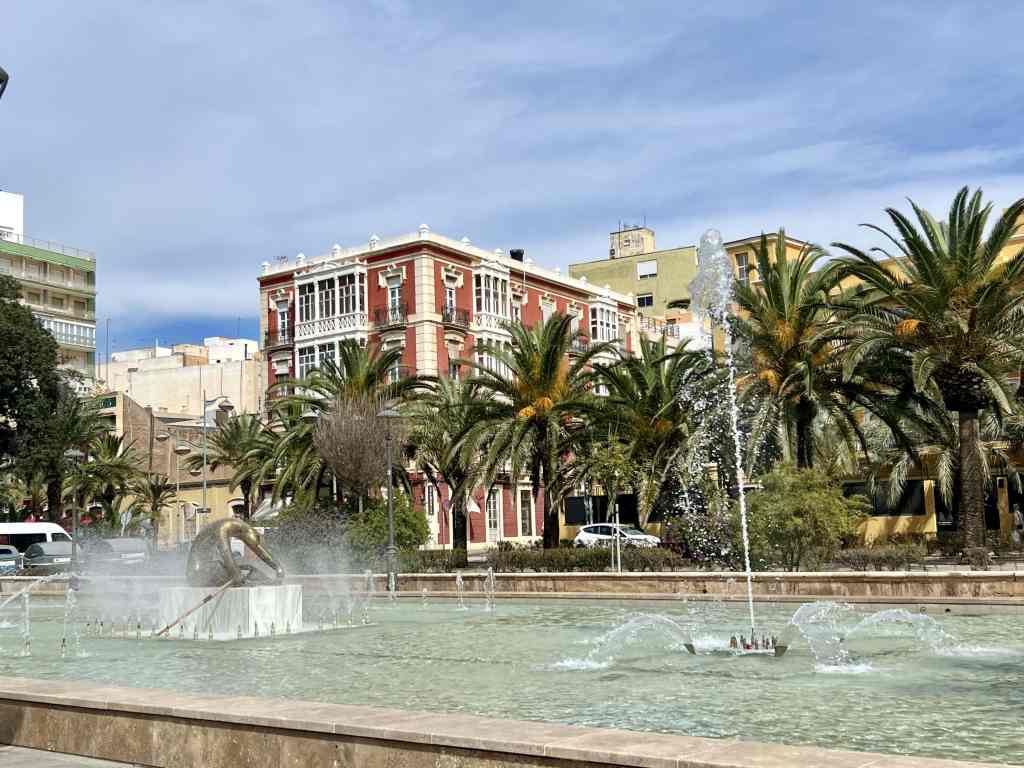


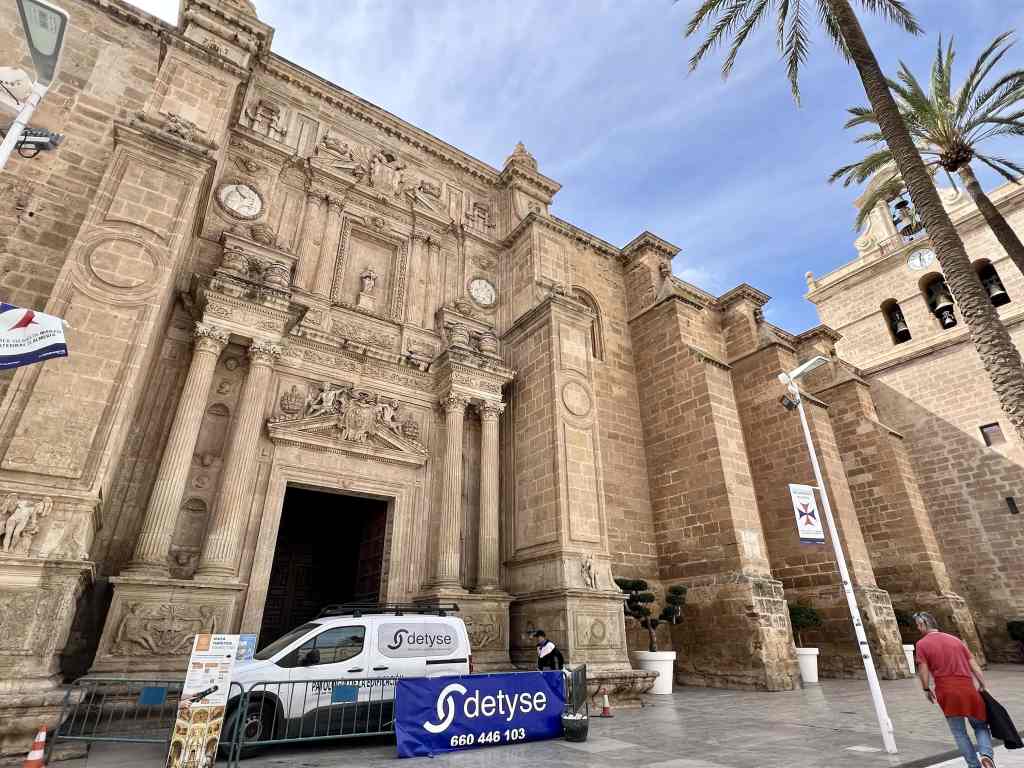


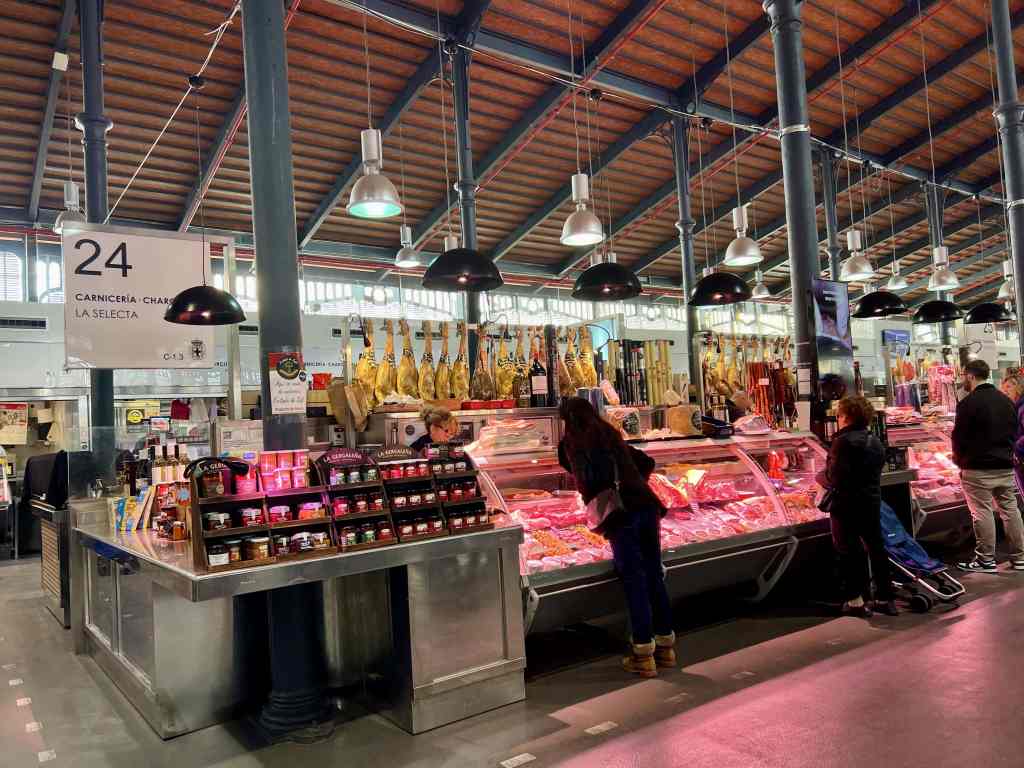
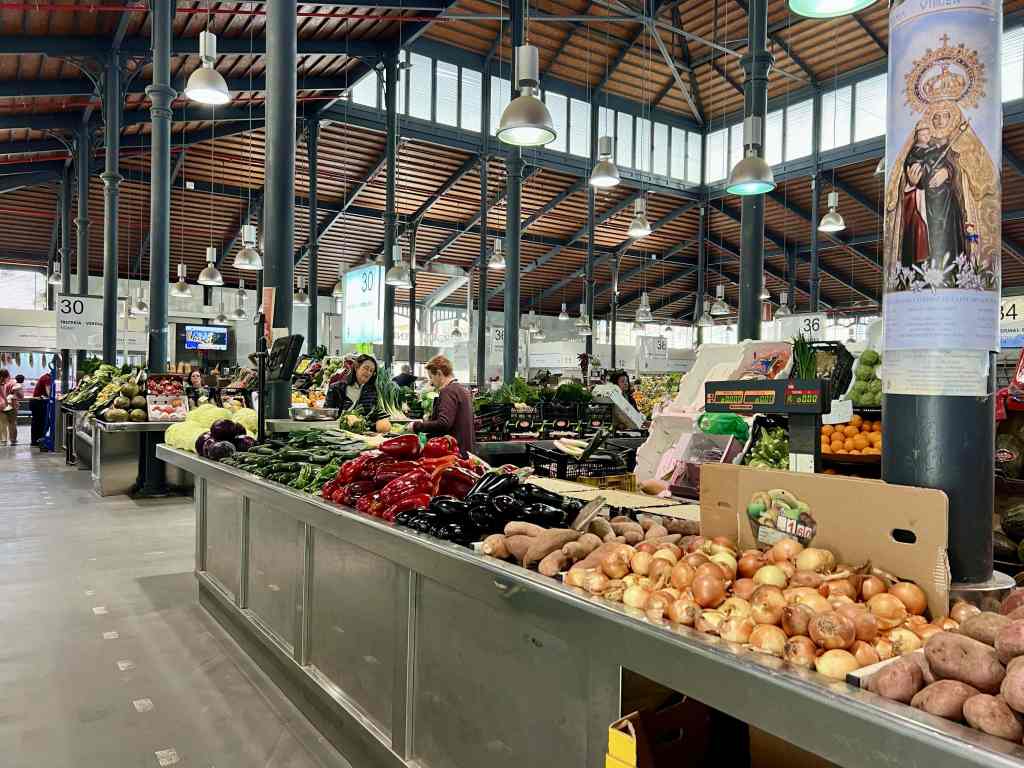


Restaurants we can recommend in Almería: (Sadly, I was remiss in taking any food photos in Almería.)
- La Dulce Alianza – This pastry shop was downstairs from our apartment so we availed of their great coffee and breakfast toasts each morning. It’s a super popular spot.
- Tetería Almedina Baraka – a delicious Moroccan restaurant alongside the Alcazaba
- Stanley & de Marco – a beautiful and delicious Italian restaurant
- La Consentida – We had dinner here two nights because the tapas were creative and delicious and the meals were so inexpensive!
Ok, back to Almerimar and Sabática… She ended up being parked in Almerimar for nine nights.

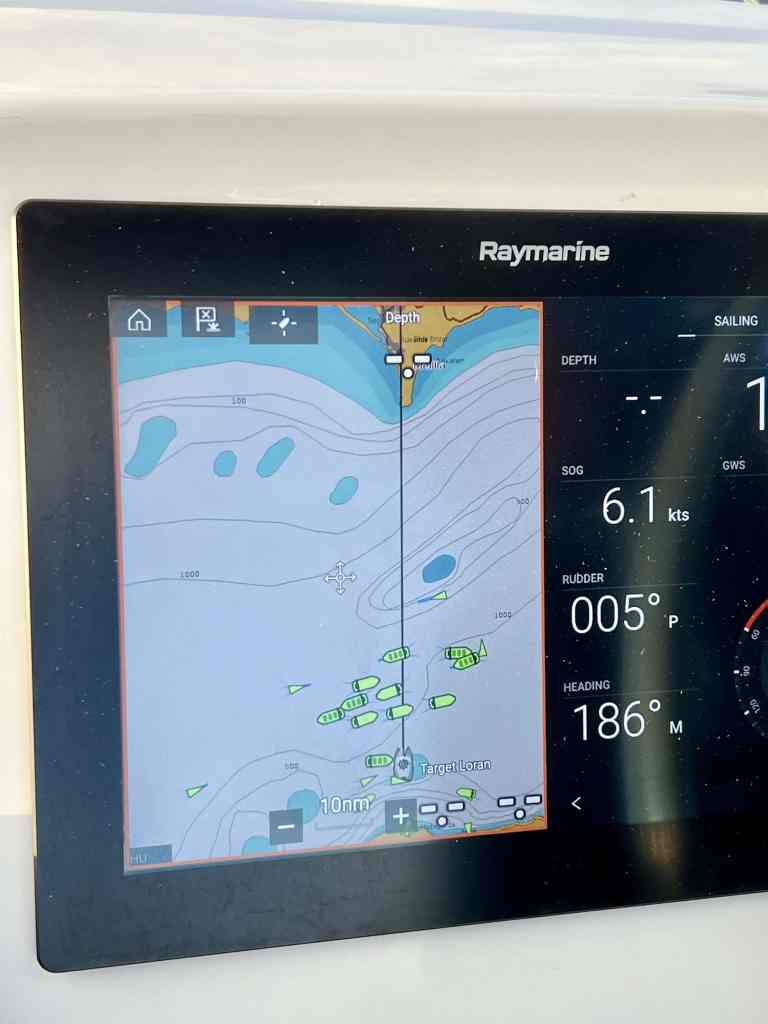
Skippy was, of course, still keeping a very close eye on weather conditions every day, and a one-day weather window opened up. Given the clock was ticking and we were dealing with challenging, ongoing conditions, he decided to shift our course and head due south to Africa. Wait, no Gibraltar? That is correct. In one long day, we could make the 86nm crossing to Melilla, a small Spanish town on the coast of Northern Africa. We had learned of Melilla from other sailors back in Cartagena. Many had made this trek and were able to put us in touch with a friendly local agent who could handle all of our paperwork and arrangements. It still seems a little confusing, but Melilla is part of Spain, yet it is not within the EU VAT area. It sits surrounded by Morocco, and we thought it could be interesting to set out by car to explore.

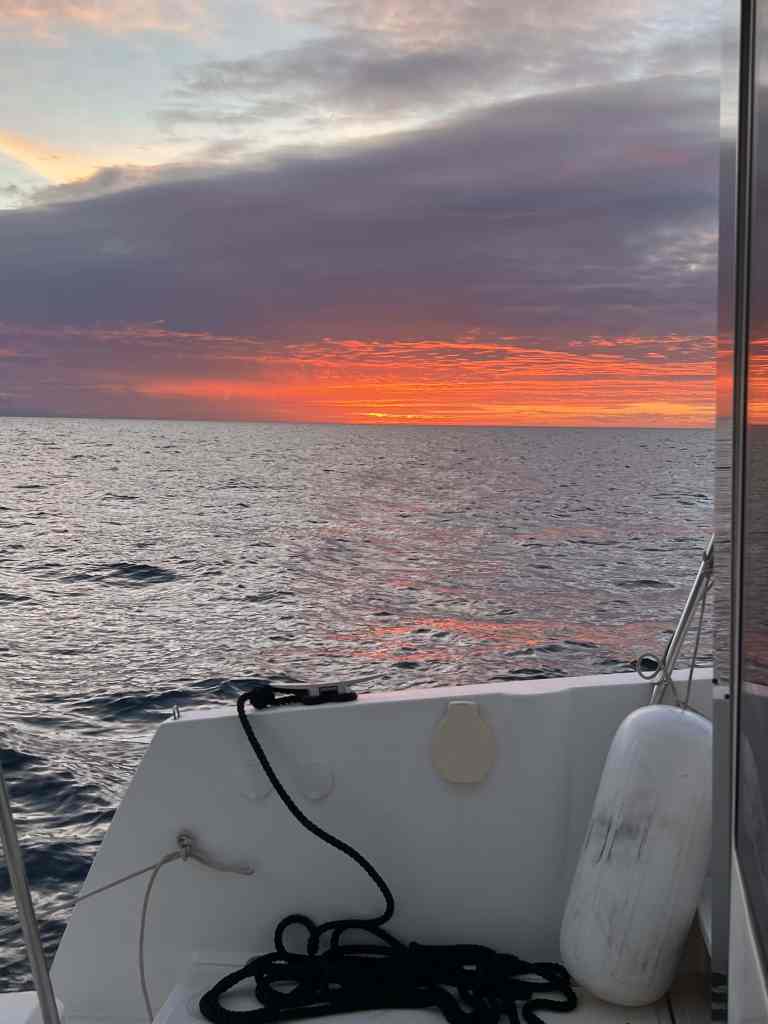
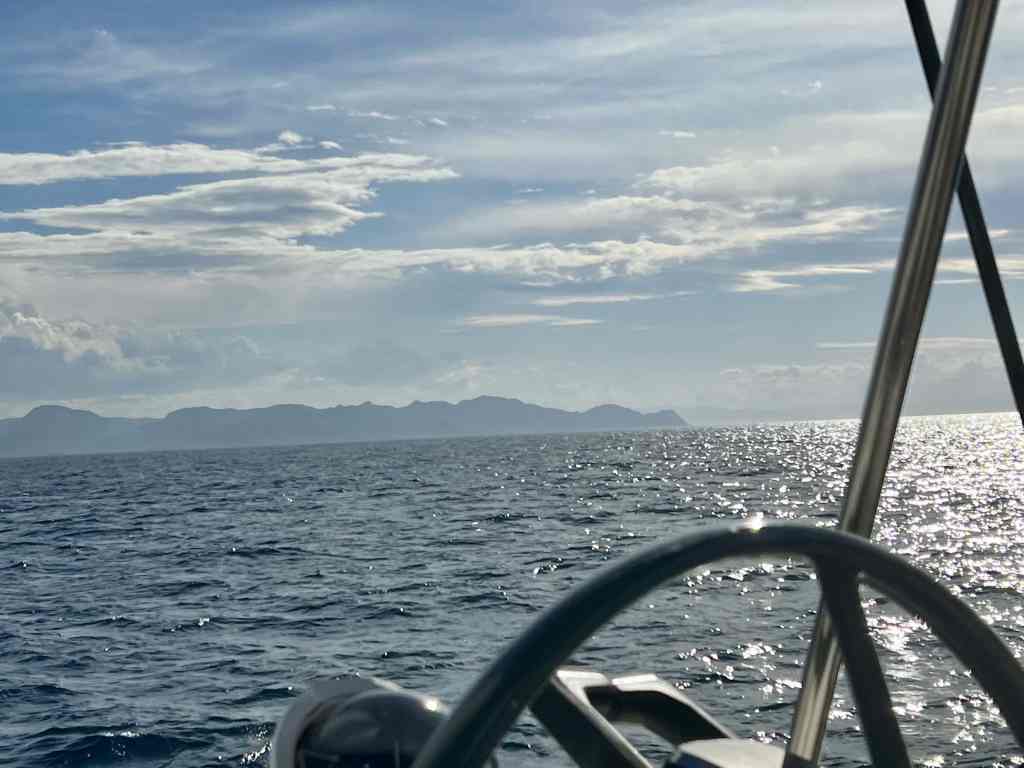
So, on the Monday of St Patrick’s Day (which seemed like a good omen) we set out at 6am. We had a perfectly easy day for our long crossing, dodging a large shipping channel, and arriving into Melilla just before sunset around 7:15pm. The long day was punctuated by so many porpoise visits, which is always fun. 🙂 The next day, weather conditions rose up yet again and we were grateful to have had our little window. Javier and Juan met us when we arrived, and the next day they escorted us to the customs office where we were stamped out and all sorted within ten minutes. Conor let out the biggest sigh of relief as we had accomplished Mission Melilla with eight days to spare. 😉

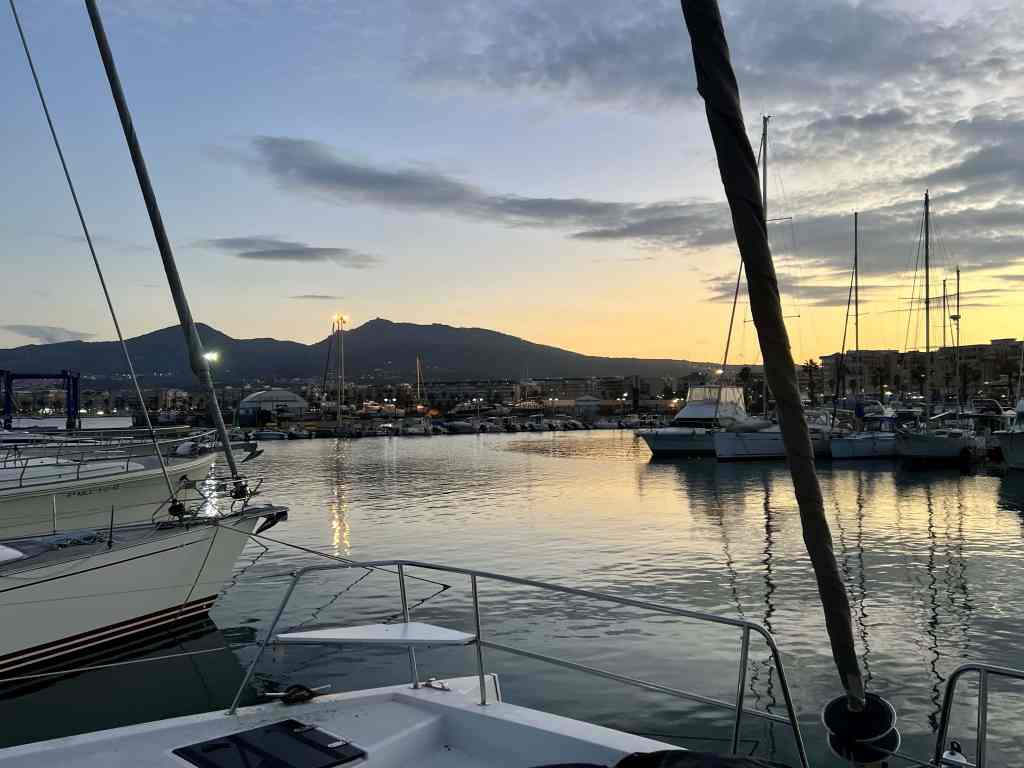

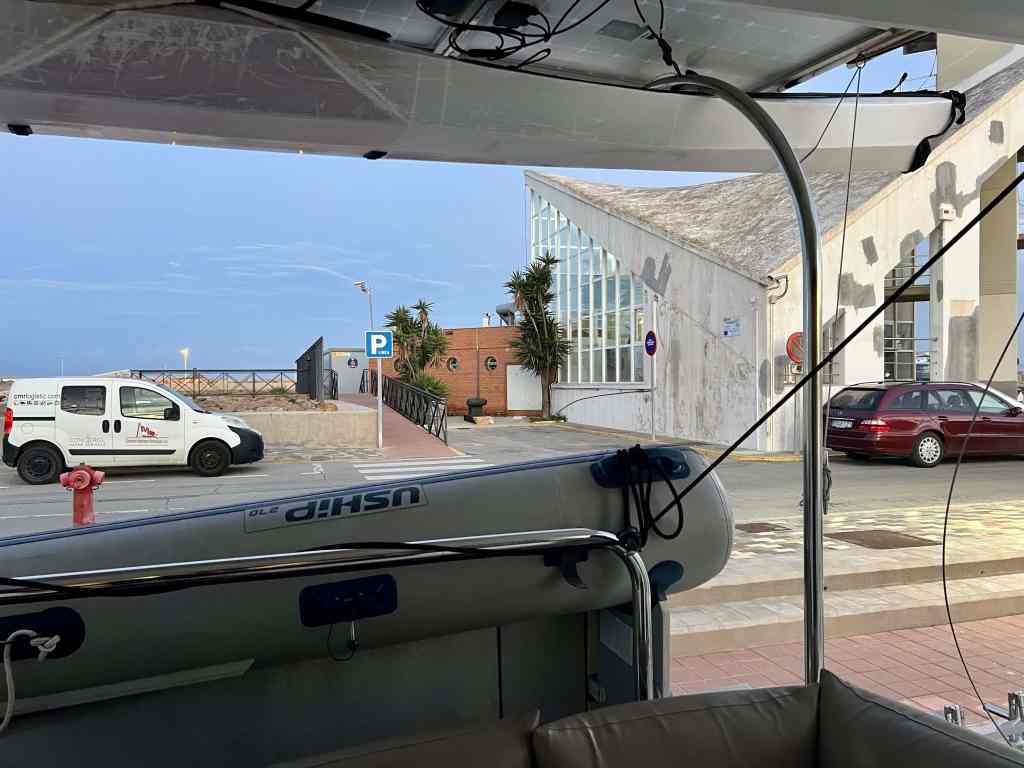

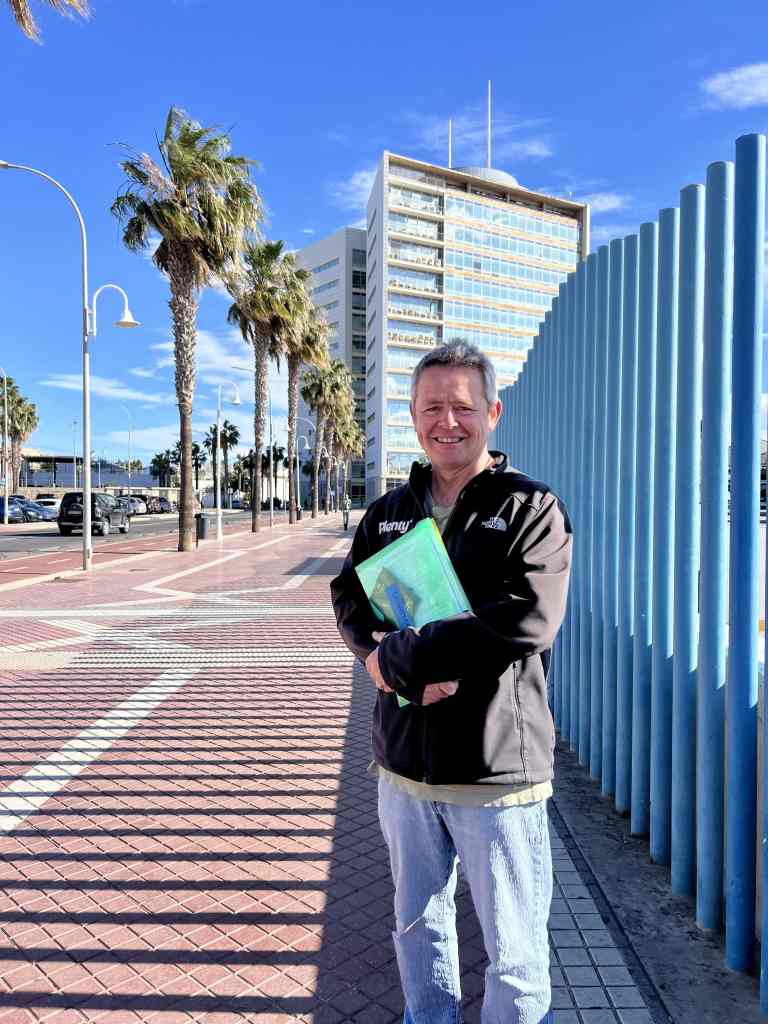
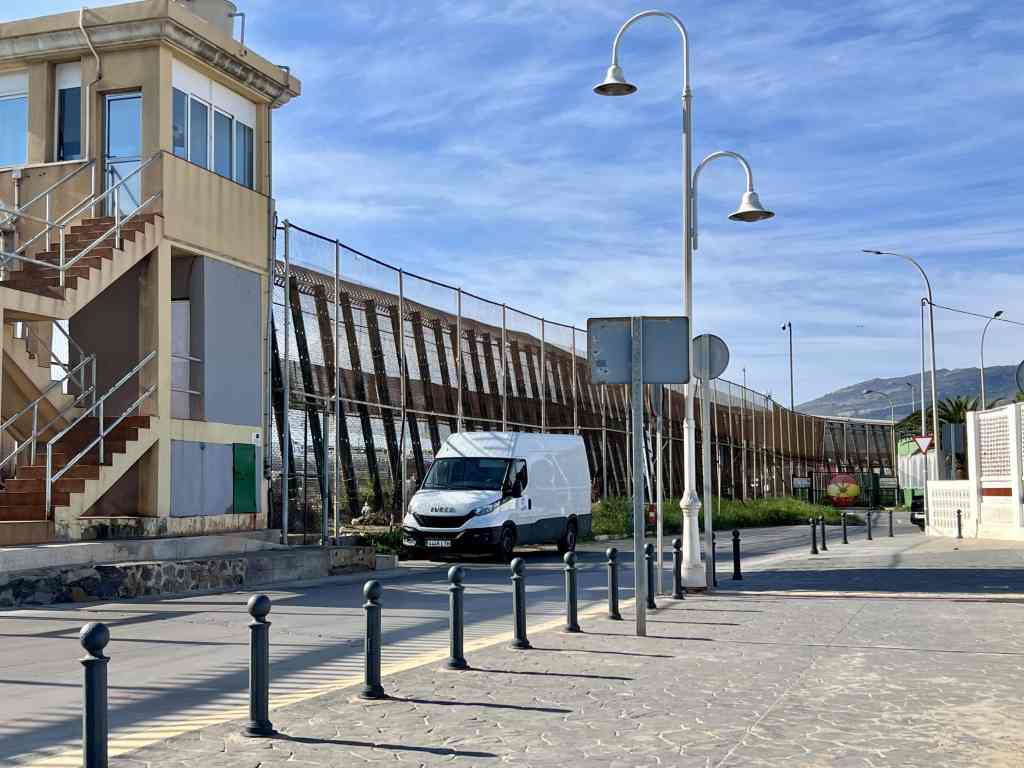
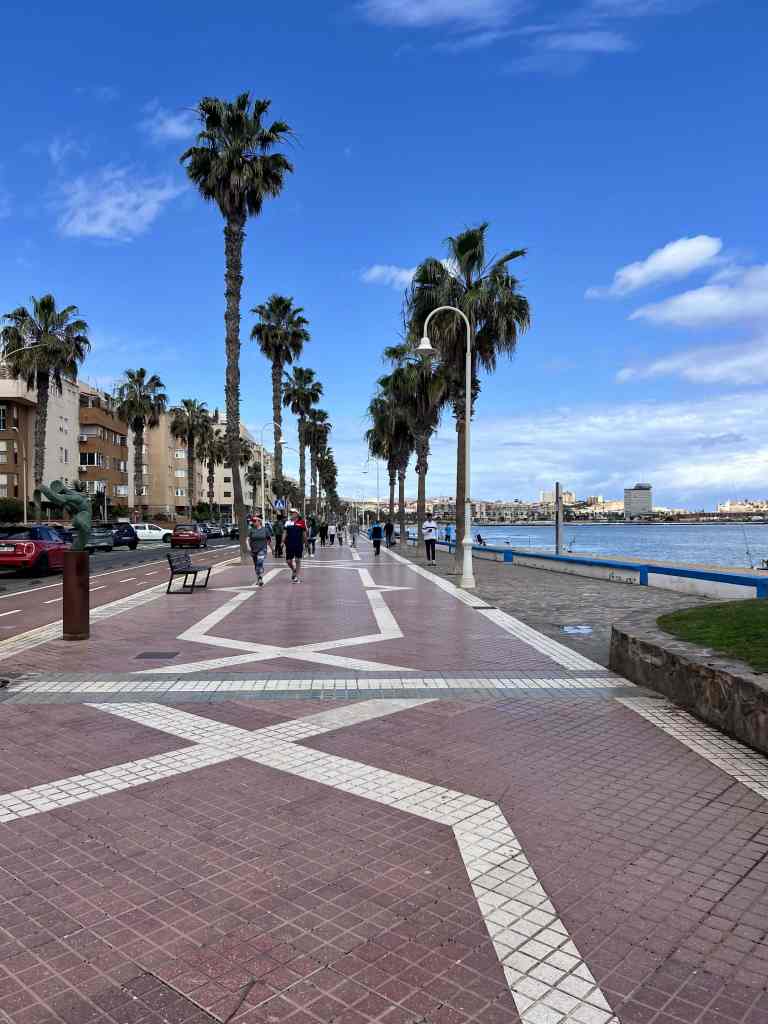
Javier and Juan squashed our hopes of visiting Morocco explaining that the areas directly surrounding Melilla were not that safe and the border could take hours to cross, especially since this is the month of Ramadan. Cities like Fez and Marrakesh would be worth visiting, just not from here. So, we settled into Melilla. History explains that Melilla was conquered by the Spanish in the 15th century. They colonized Morocco and managed to maintain the cities of Melilla and Ceuta when Morocco won its independence in 1956. Melilla and Ceuta are the only remaining pieces of European territory on mainland Africa, so it’s understandable that this is a bit contentious. Morocco would like control of these areas, and migration remains a difficult situation to this day. This is apparent when you walk the seafront promenade to the wire fenced border and see the heavy police presence everywhere around the city.
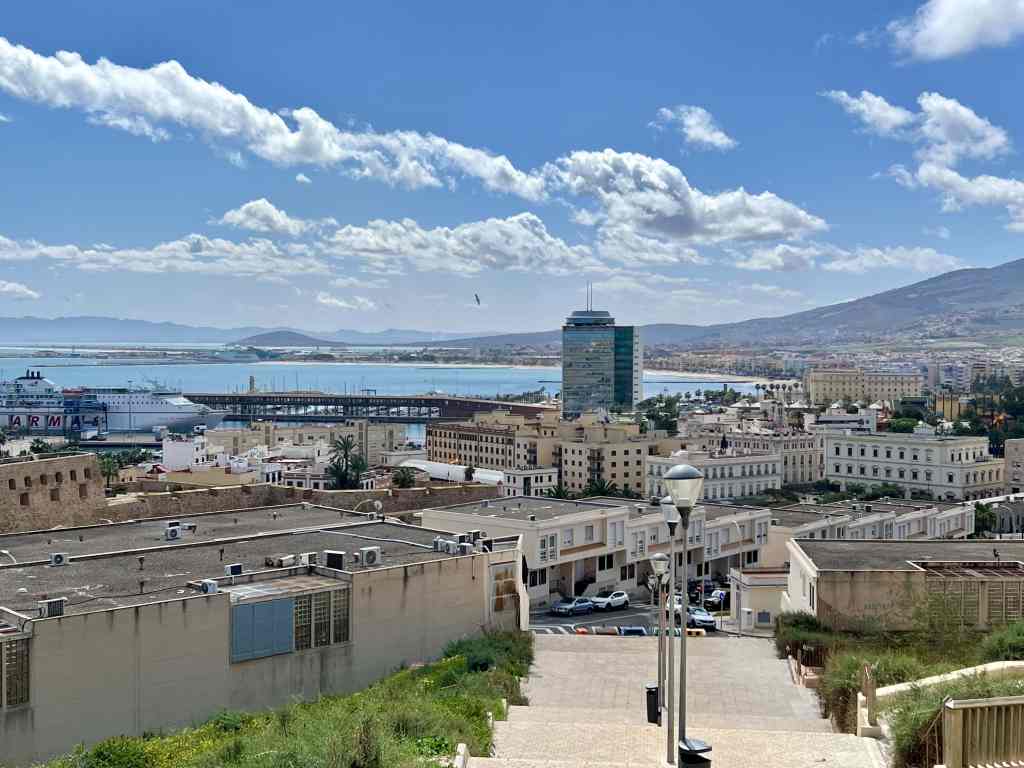
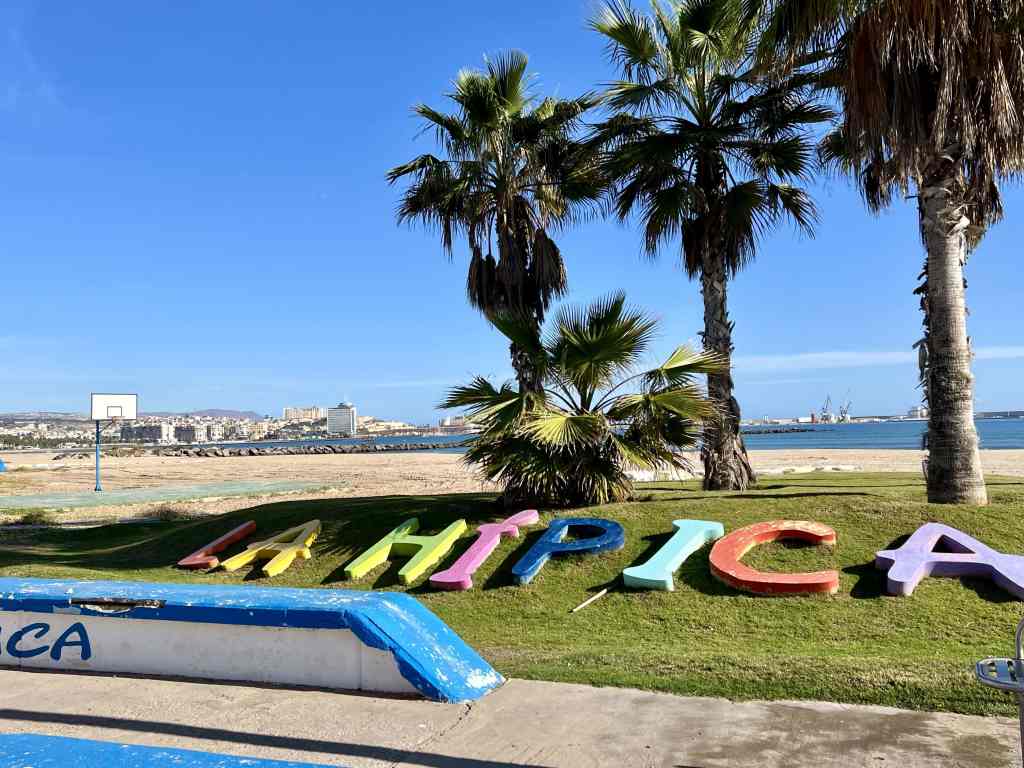
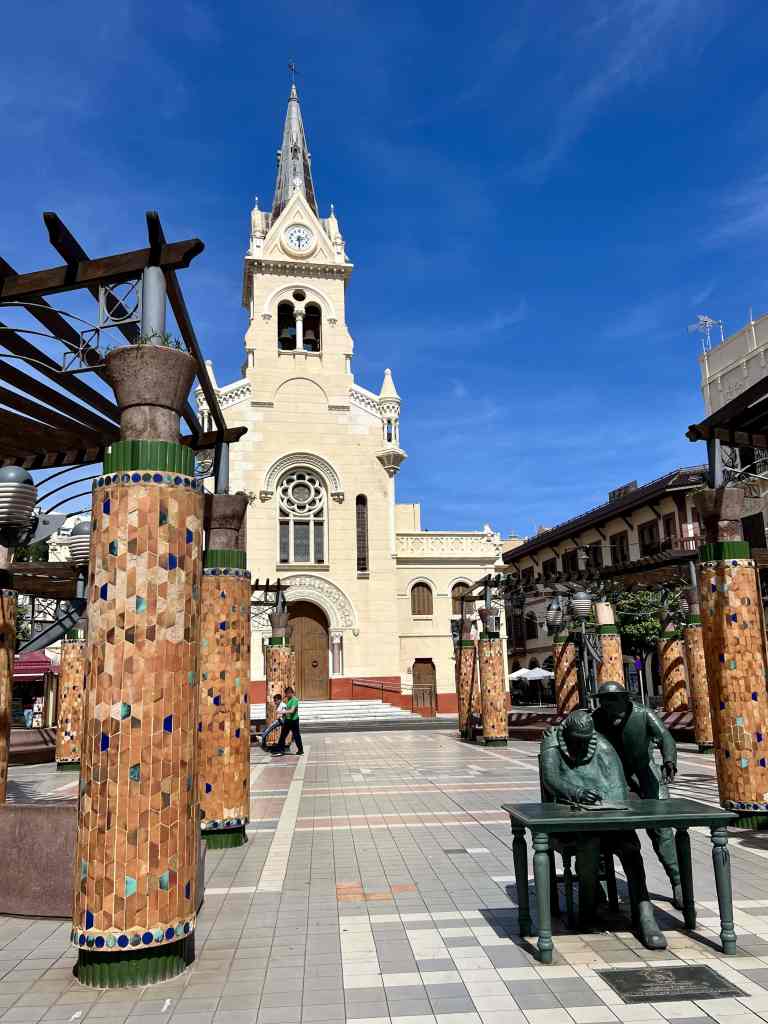
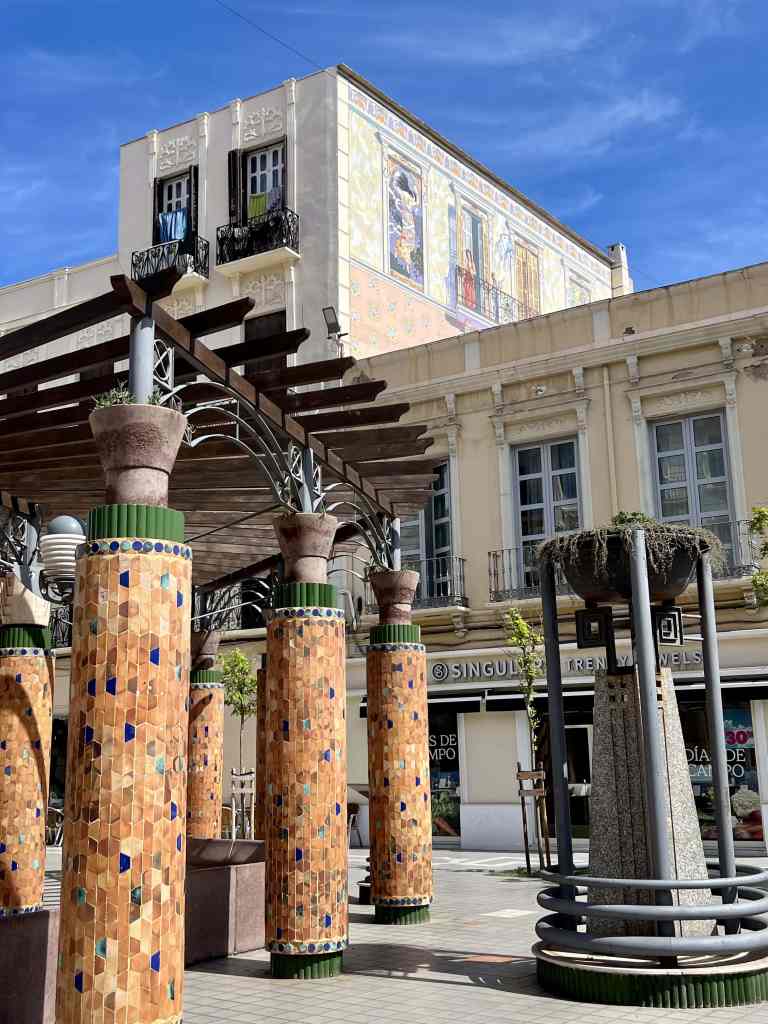
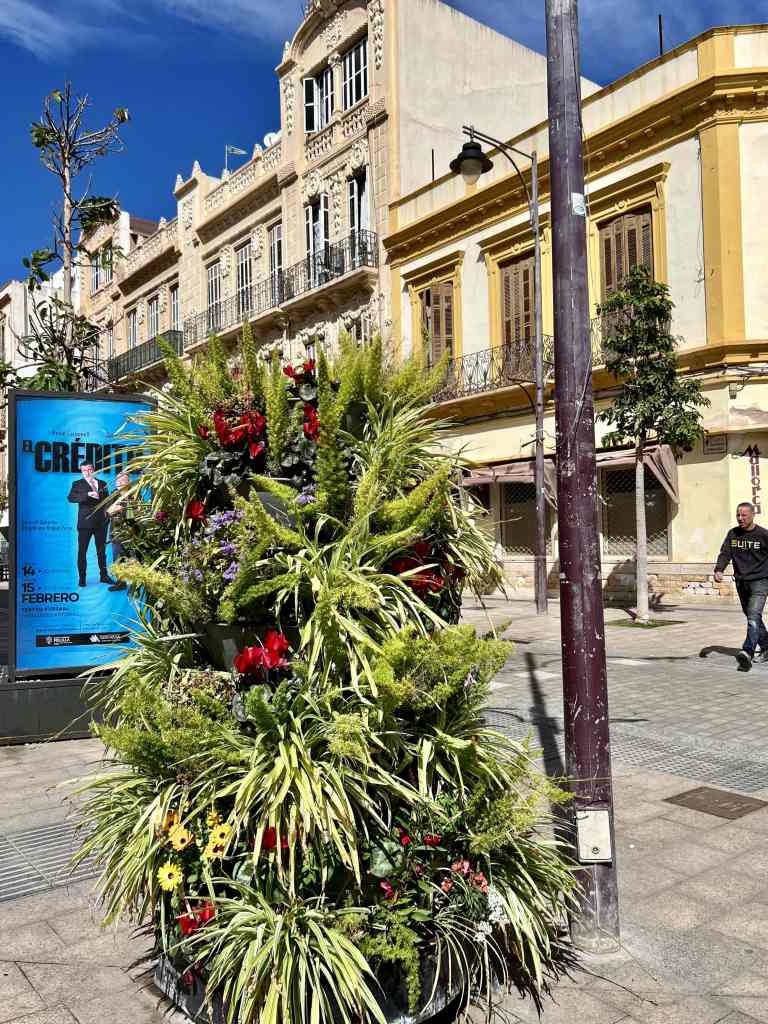
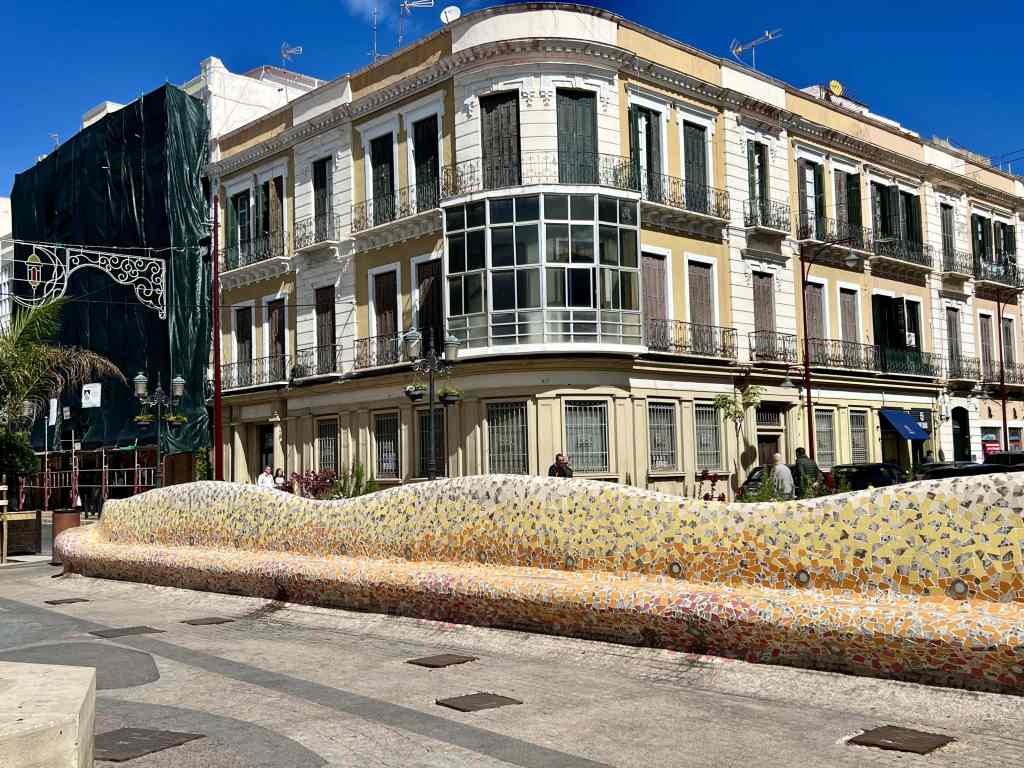
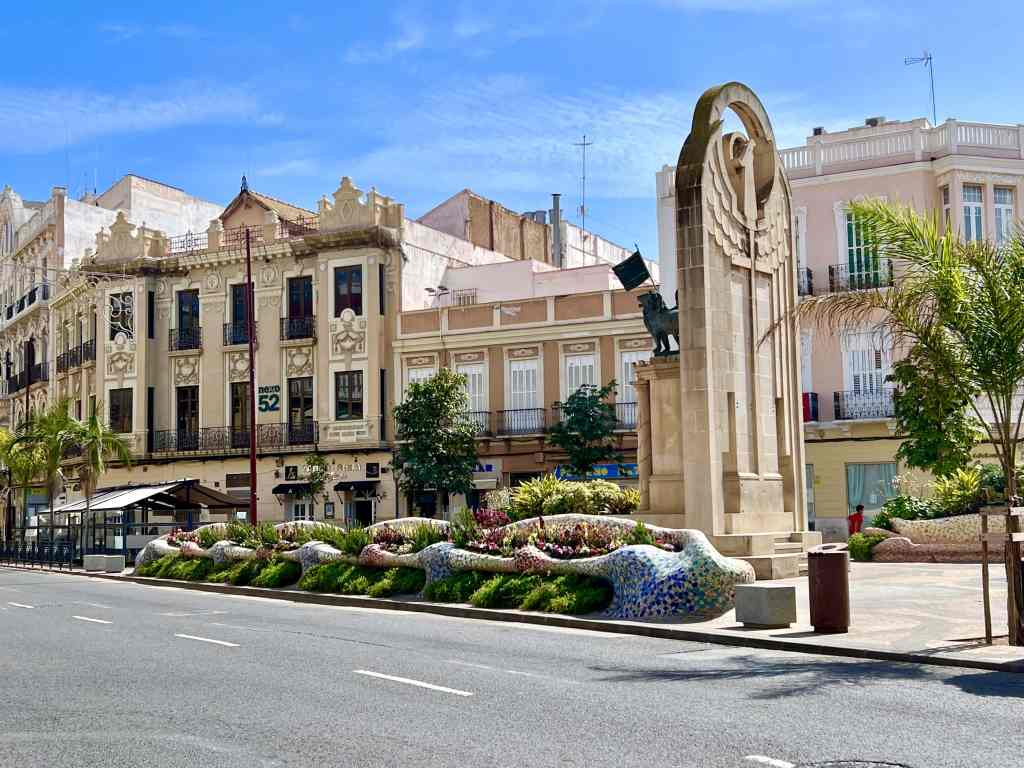
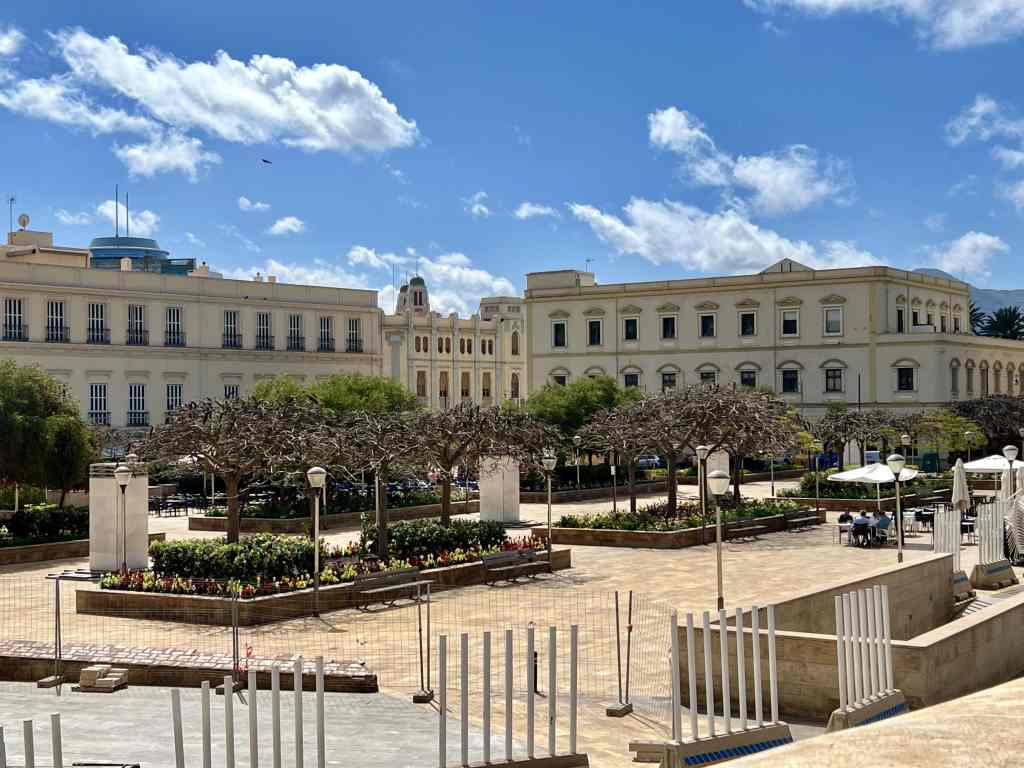
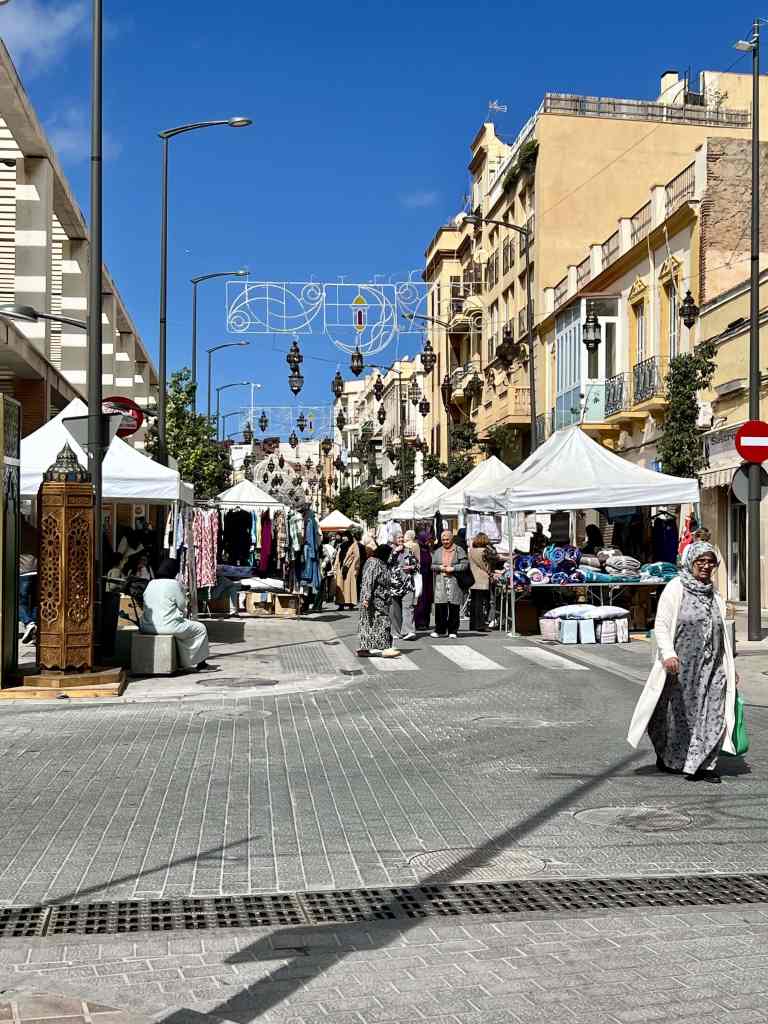
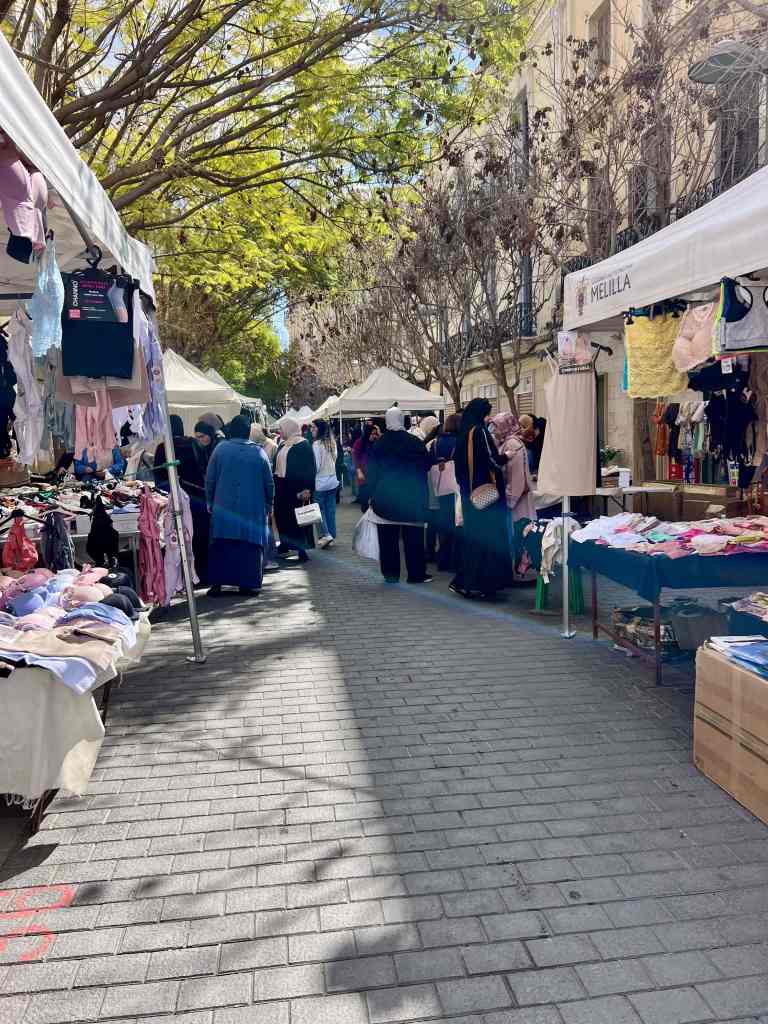
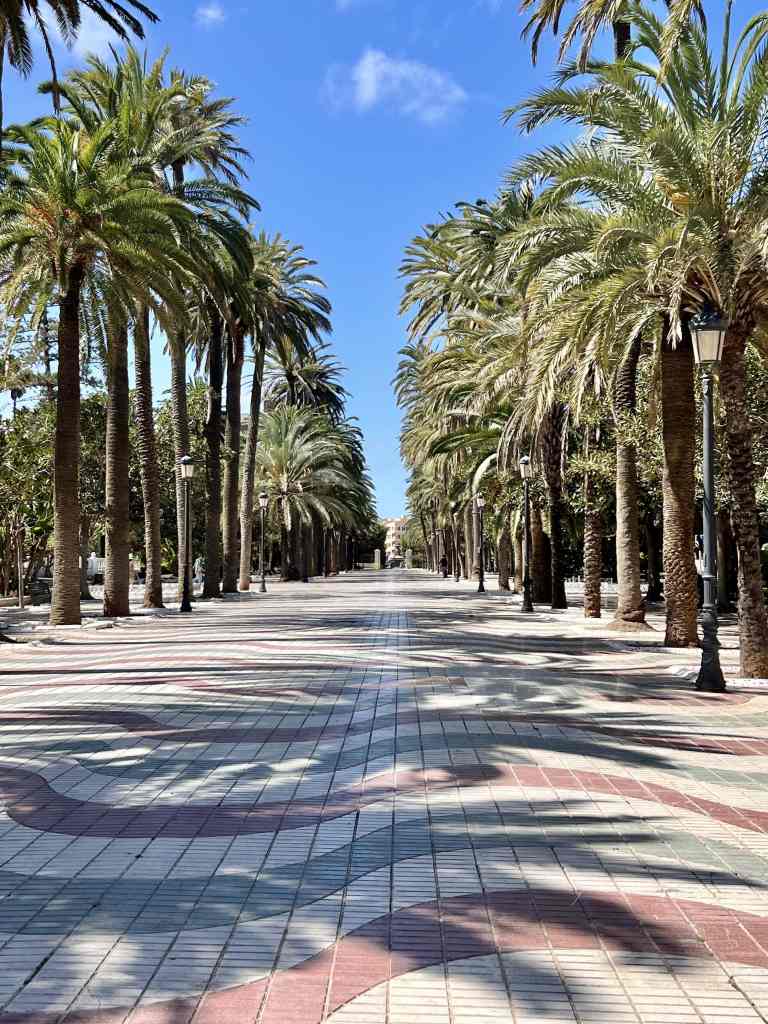
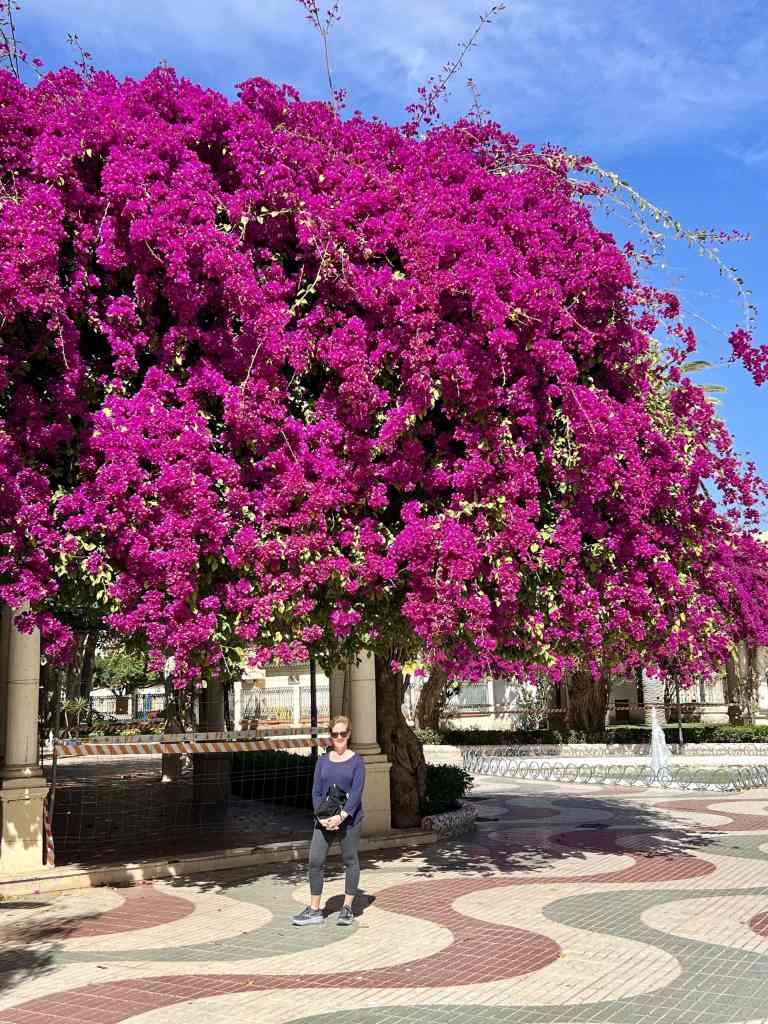
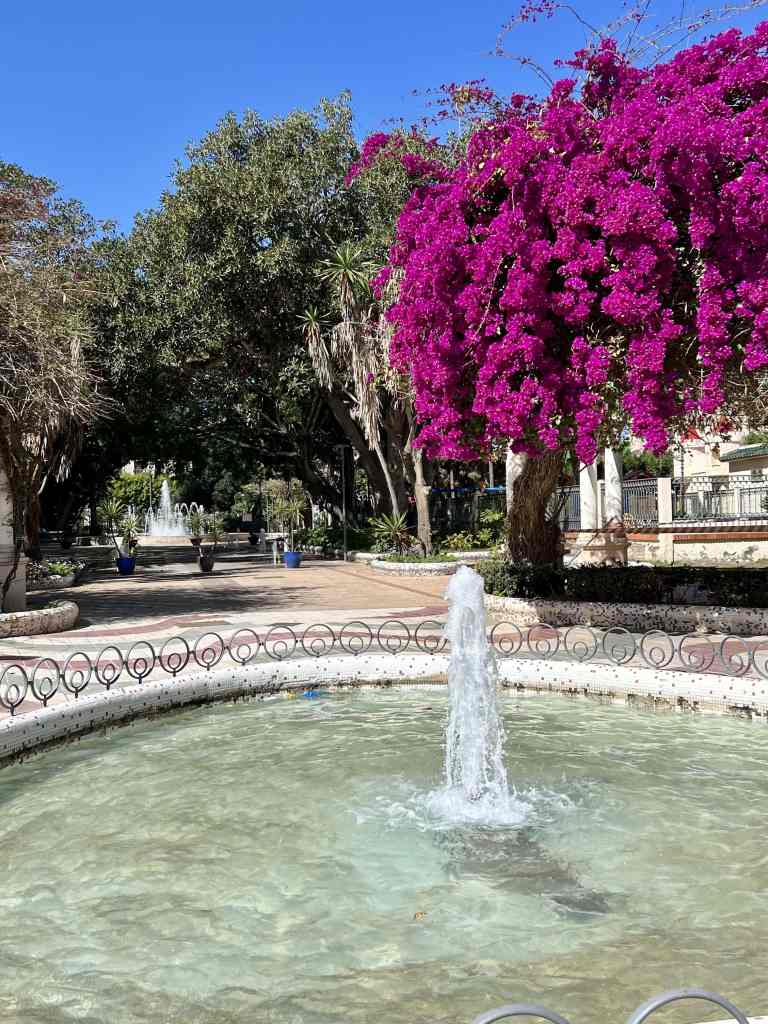
In any case, we explored the small town (which you can easily cover in a less than a day) and appreciated the modernist buildings that line the central district, the beautiful Hernández park, the Melilla Fortress, the central market, the street market, the friendly people, and some great food. (We discovered a Latin fusion restaurant called Mosquito that was amazing. The Venezuelan owners were super friendly too.) It was quite apparent from strolling through the street market that there is a large Muslim population here. Turns out, about half of the population today is Muslim and the other half is Catholic. Jews and Hindus have history here too, though, and Melilla used to tout itself as the city of “four cultures.”










A fun coincidence is that some Canadian friends, Patrick and Alicja, made a similar voyage from Cartagena to Melilla. As they were planning on overnight journeys, they brought another friendly sailor from Cartagena, Rob, with them to help crew. Unfortunately, they encountered many more challenges than we did to get here, but we were relieved when they made it a few days after us. Given we’ll be here for over a week, it’s been very fun to have friends to eat, hang and play games with!


So, what’s next? Conor continues to watch the weather every day, and we’re hoping to make the crossing back to southern Spain in a couple of days, giving us a total count of nine nights here in Melilla. Our current goal is to reach Motril, which is a small town a little over an hour’s drive from Málaga. From there? Nobody knows! 😉

 Sailing Sabática
Hope you find a nice weather window soon.. Dad
LikeLike