
For those of you who read my last post, Name that City, I owe you an answer to the quiz of our whirlwind week’s tour. So, here you go:
City A – Paris, France; City B – Galway, Ireland; and City C – Valetta, Malta — How many did you get right?!
We spent literally maybe 24 hours in Valetta, and it was our first visit. We had the great opportunity to return again and explore Malta for a full week with our son, Rory, who met us there for his spring break, so now I can tell you more about it. Some of you might first be wondering where in the world Malta even is, and that’s ok. I’ll admit I didn’t know where it was either until we started our Mediterranean adventure. So, here are a few maps to get you oriented:
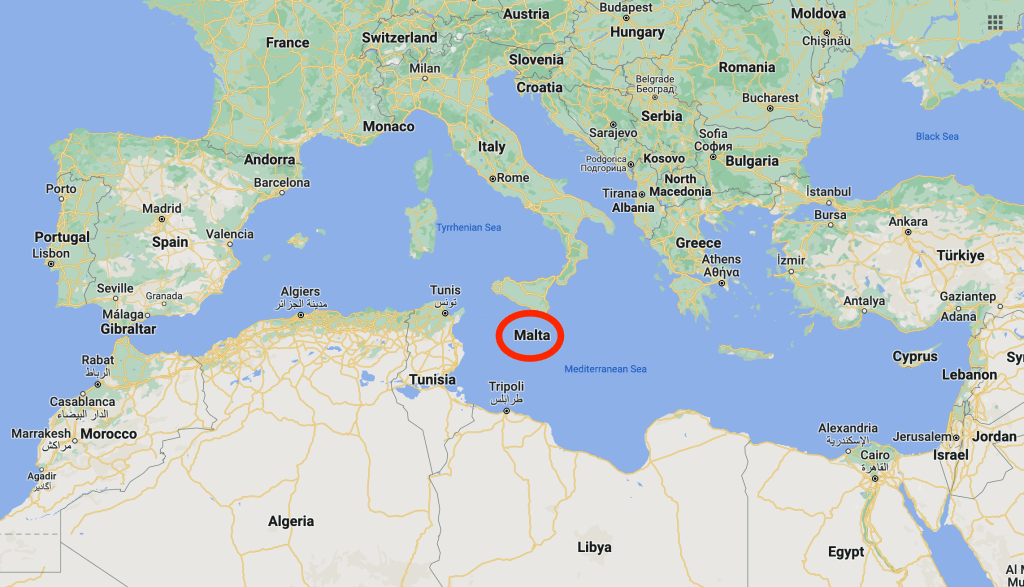
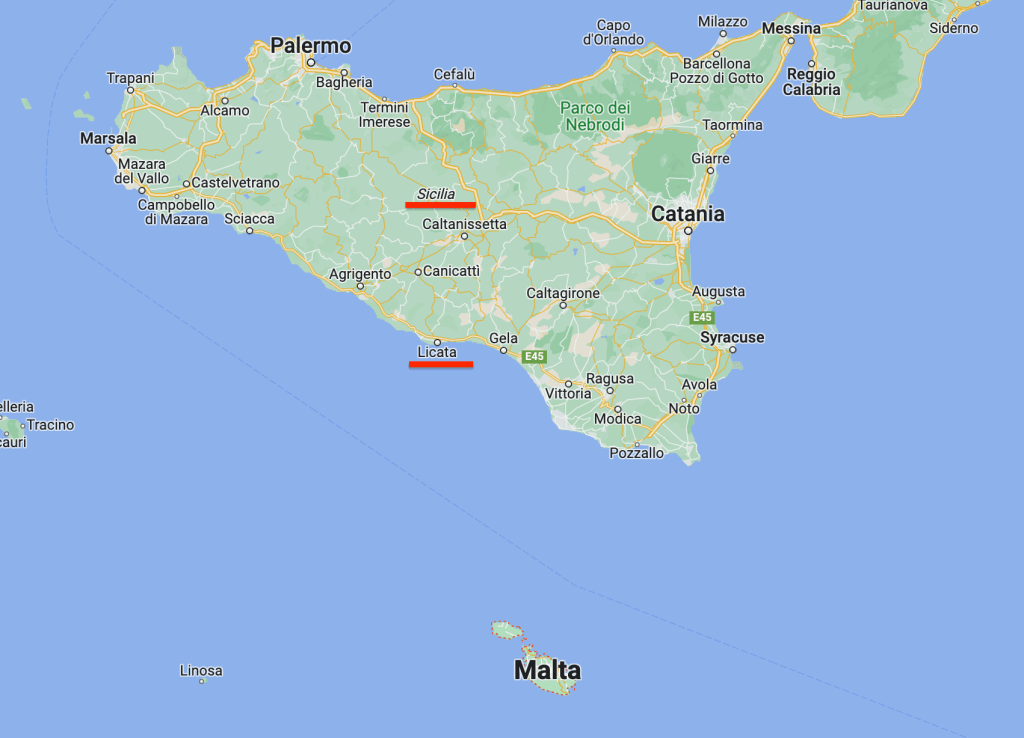

Tourists flock to Malta for it’s beautiful beaches, clear water, and sunny weather. Malta also has a fascinating history, which we explored the most because we were there in March. So, through our photos, I’ll share this amazing history, not too unlike Sicily, but possibly even richer…
The Mnajdra Temples – Prehistoric times
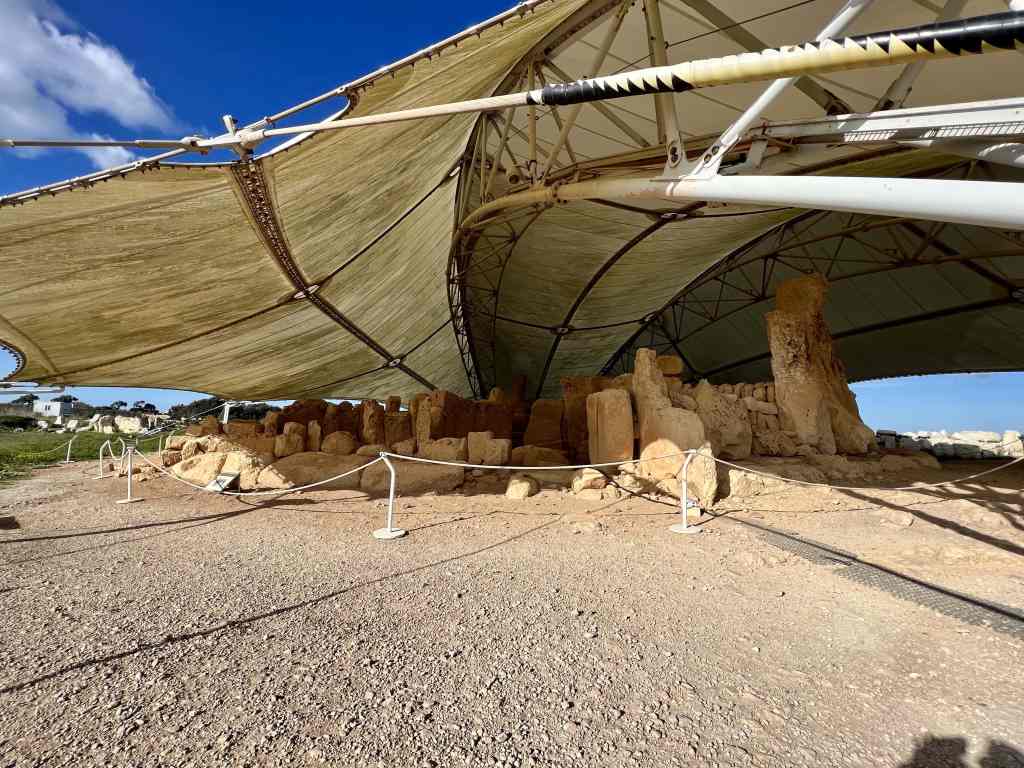
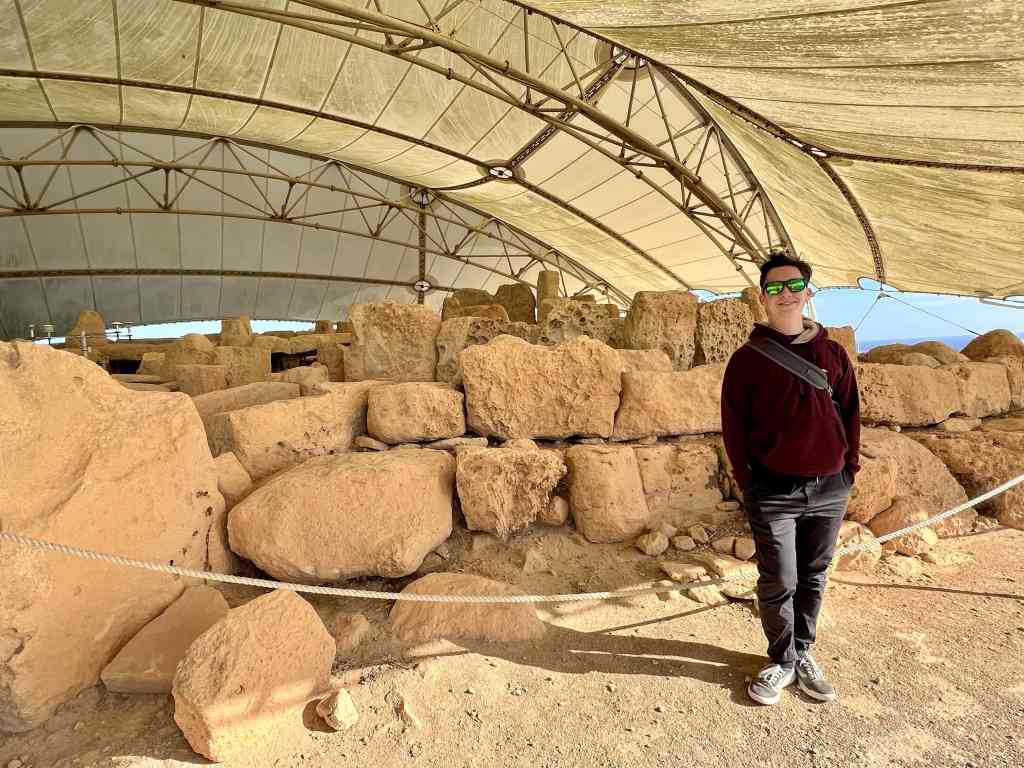
Malta had Neolithic inhabitants as evidenced by the various prehistoric temples found among its islands. We visited the Mnajdra Temples on the island of Malta that were built around 3600 BCE, making them some of the most ancient religious sites on Earth. Older than Stonehenge!

So many conquerors…
There is later evidence that Malta was then inhabited by Phoenicians (Semitic people from the ancient Near East), the Romans (beginning in 218 BCE), then the Byzantines (395 CE), then Arabs (870 CE), then Normans from Sicily (1091 CE), and then the Spanish (1282 CE). All of these groups left their mark still seen today in the Maltese language and customs. Interestingly, Maltese is a fusion of North African Arabic and a Sicilian dialect of Italian and is the only Semitic language officially written in Latin script. It was suggested we don’t even try to learn some as it’s quite unique and difficult! English is the second official language of Malta, and most people speak English. Very nice for English-speaking tourists!
Mdina – the oldest city in Malta
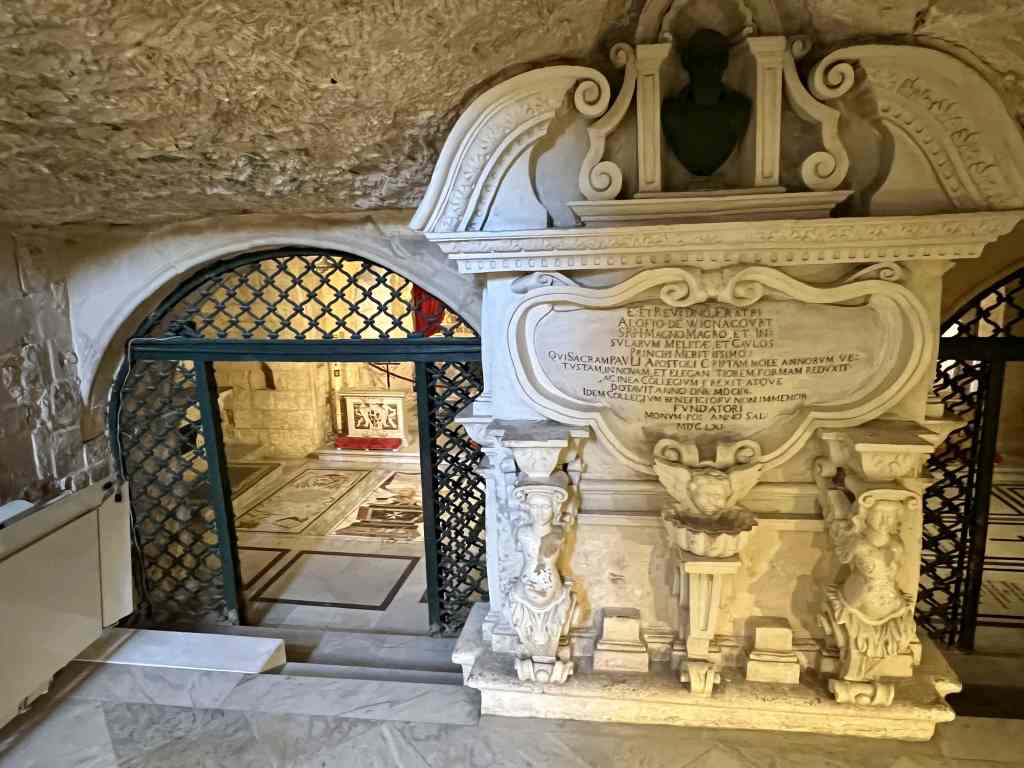
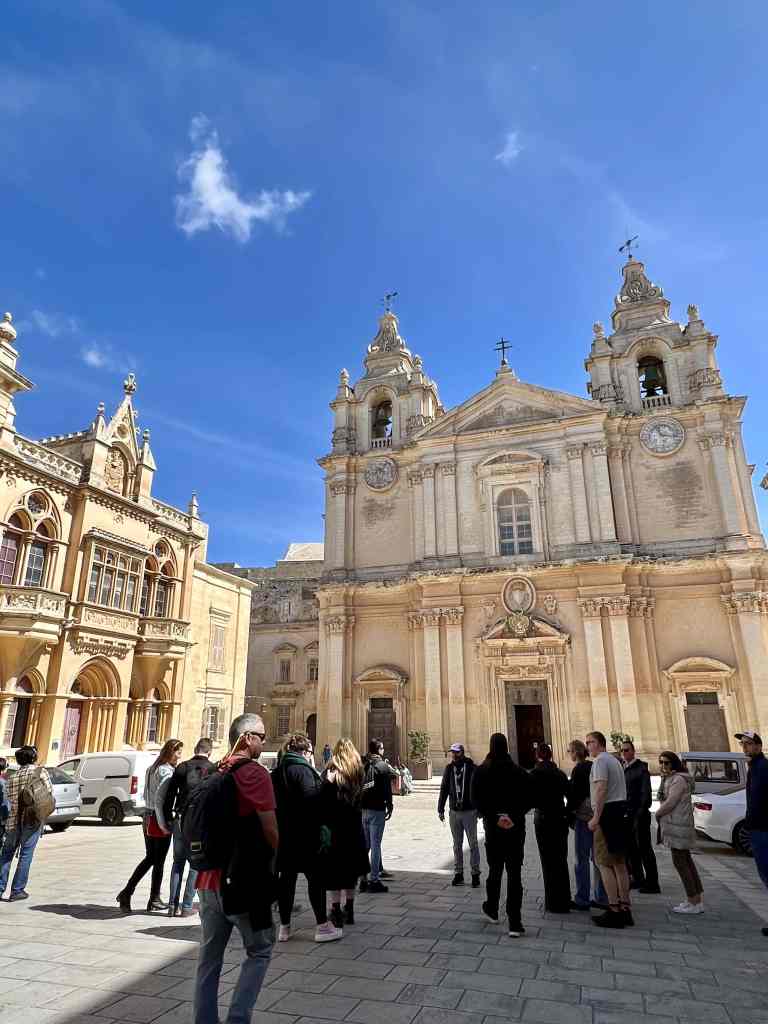
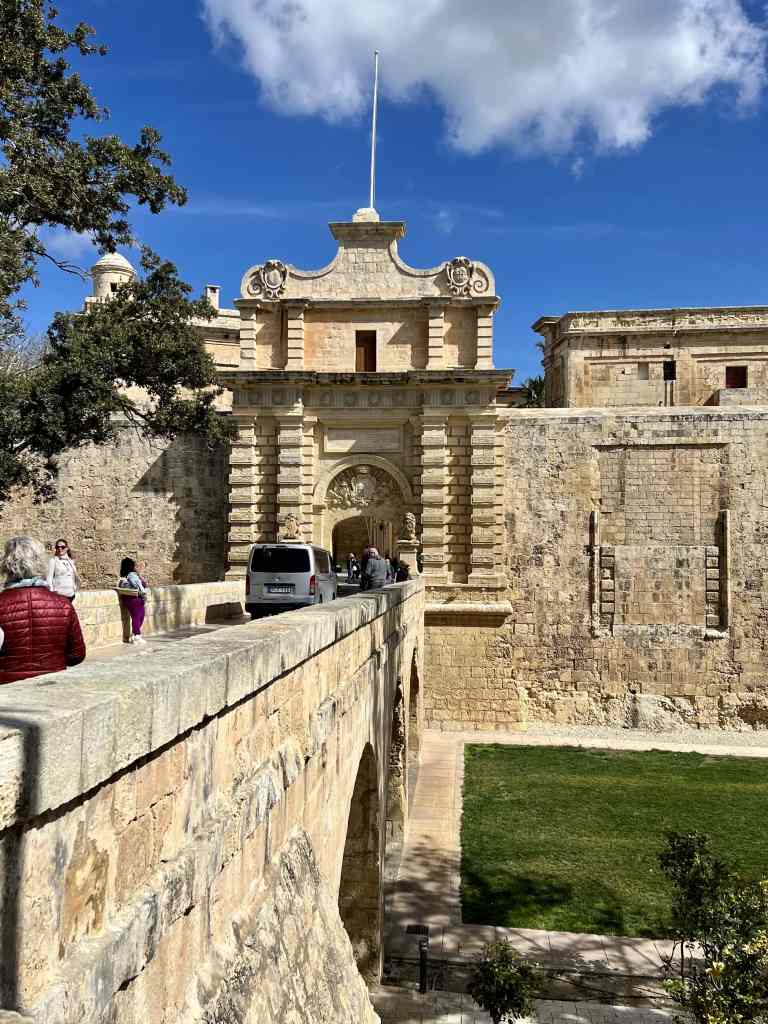
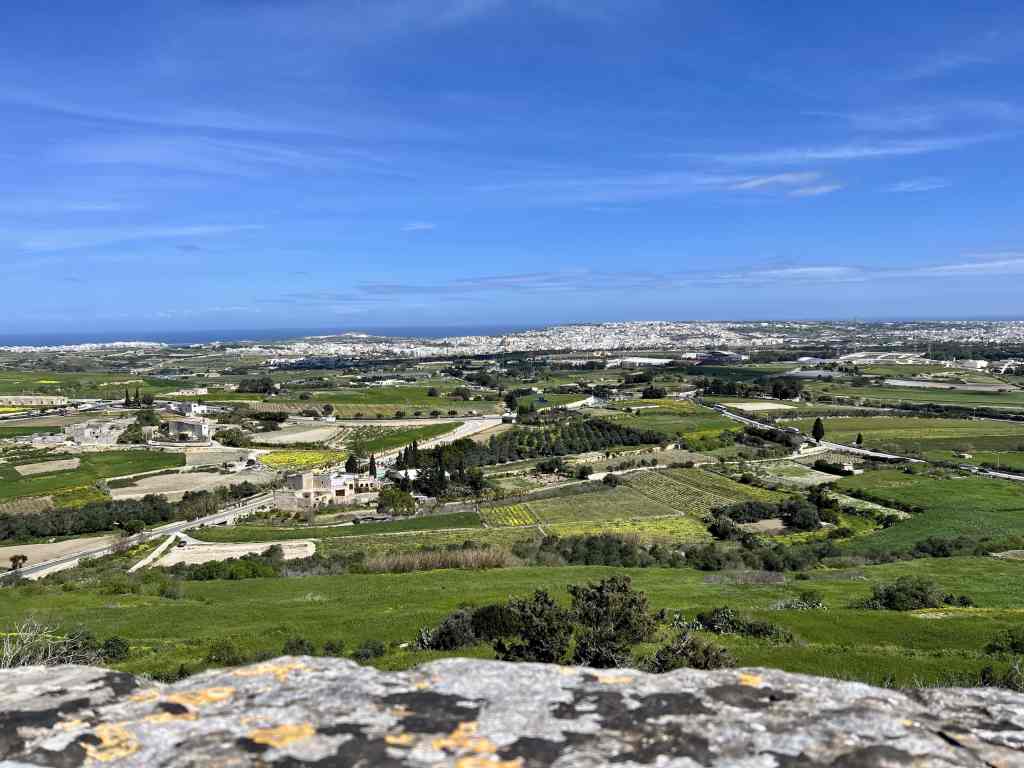
Mdina is an ancient walled city in the middle of the island of Malta with medieval and baroque architecture that dates back 4,000 years. It was founded by the Phoenicians, renamed by the Romans, and renamed to its current name by the Arabs. A most notable event – St Paul was shipwrecked on Malta in 60 CE and was largely credited with converting the inhabitants to Christianity. According to legend, St Paul took refuge in a cave in the Mdina area (now St Paul’s Grotto). The cathedral in Mdina is also named after him.



The Knights of St John – The most influential group to reach Malta
Technically called The Order of Knights of the Hospital of Saint John of Jerusalem (or just the Knights Hospitaller), they were a medieval and early Catholic military order that began in the 12th century. These Knights were charged with the medical care and defense of Jerusalem until the land was taken over by Islamic forces. The Knights were forced out and moved to Rhodes (island of Greece) until they lost that area as well and made the move to Malta. Malta was not an ideal place because it lacked any natural water sources (lakes, rivers), and it rarely rained. In 1530, the King of Spain granted the islands of Malta to the Order and, thus, they settled there. They were quite the military might, defending the islands from an attempted takeover by the Ottoman empire in 1565. The Order governed over Malta all the way until 1798, and their influence can be seen all over today.
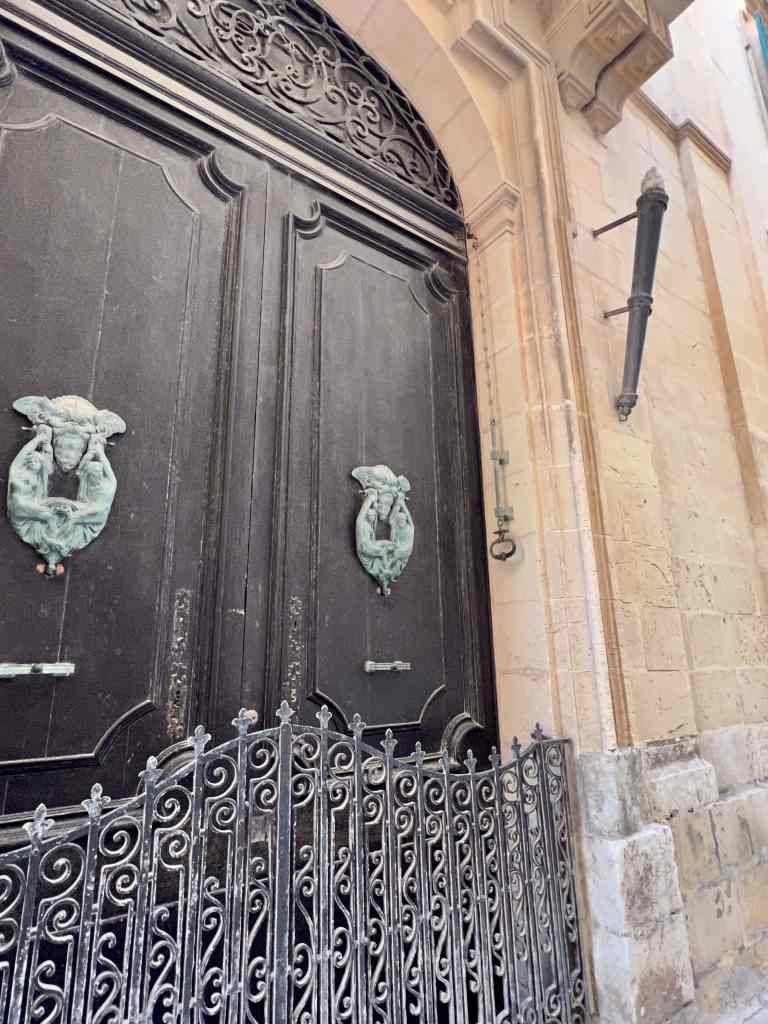
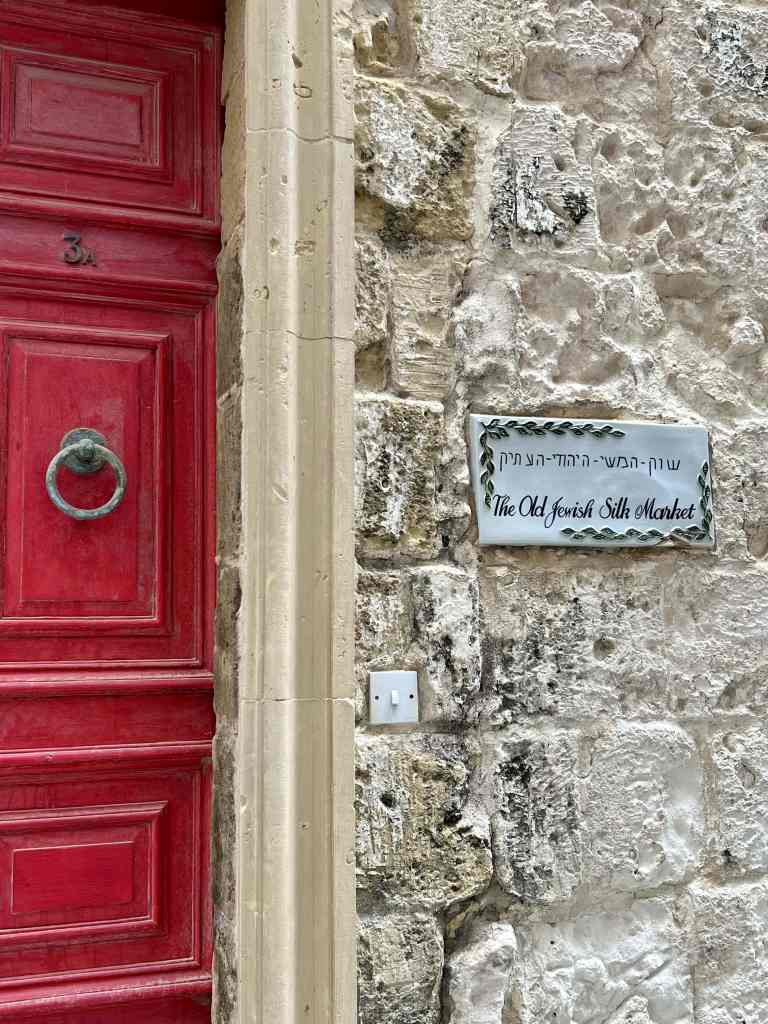
Men came from all over Europe to join the Knights, and they were typically from aristocracy. The evidence of nobility can be seen throughout the old capital of Mdina.
The Three Cities – where the Knights of St John next made home
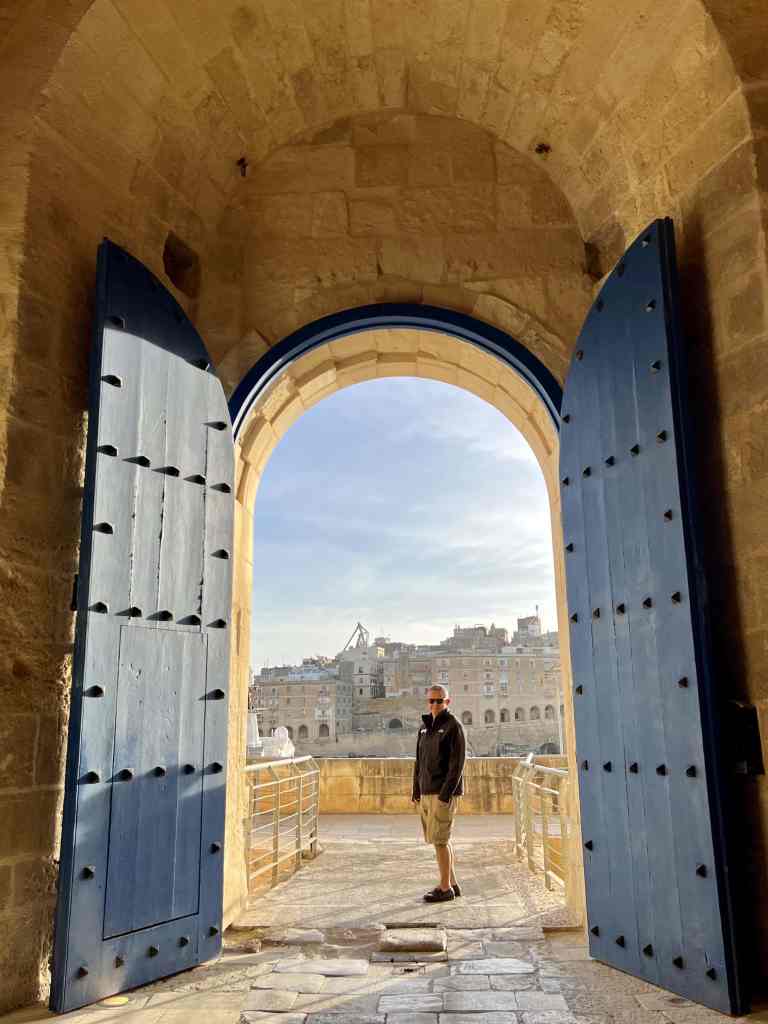
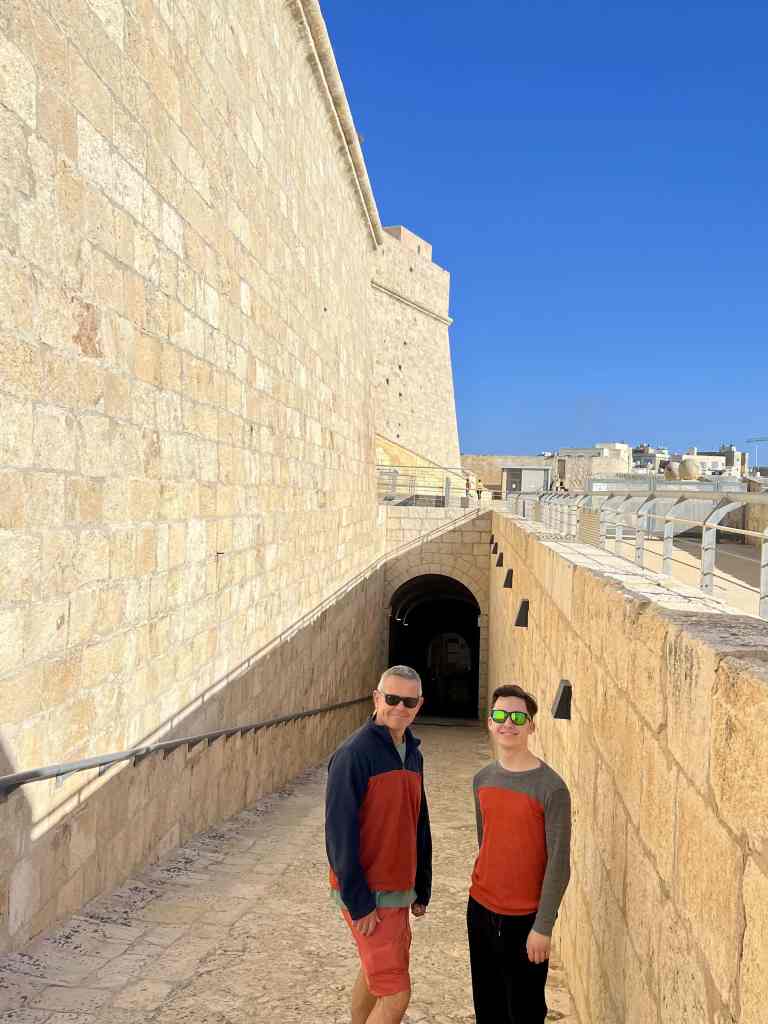
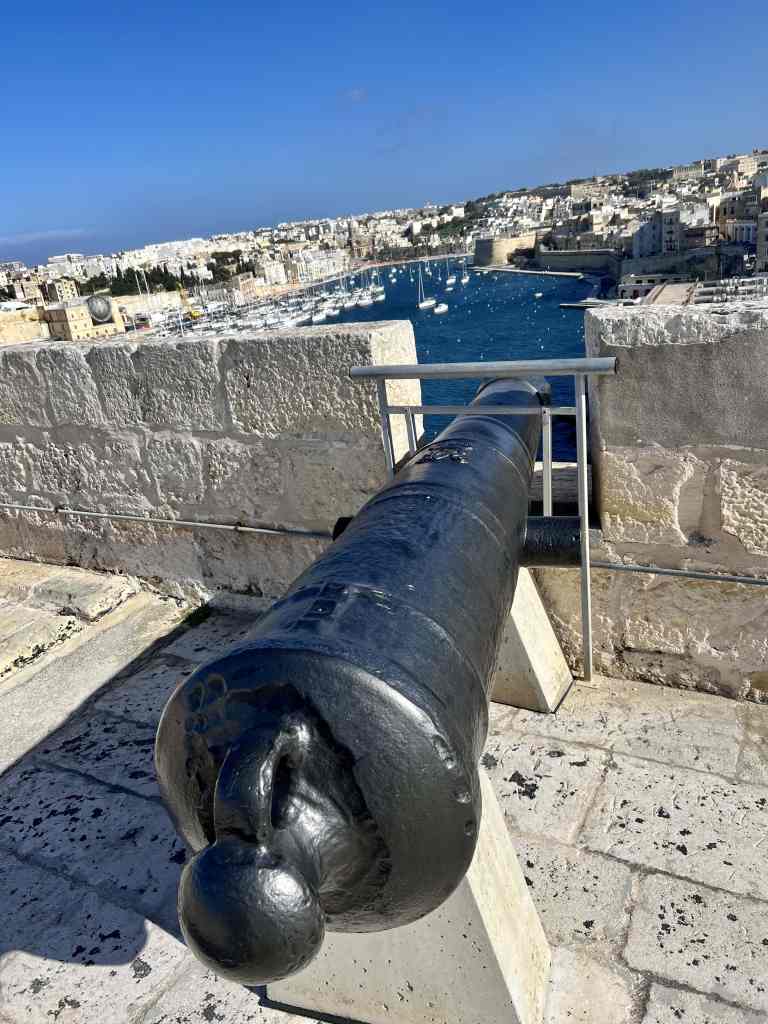
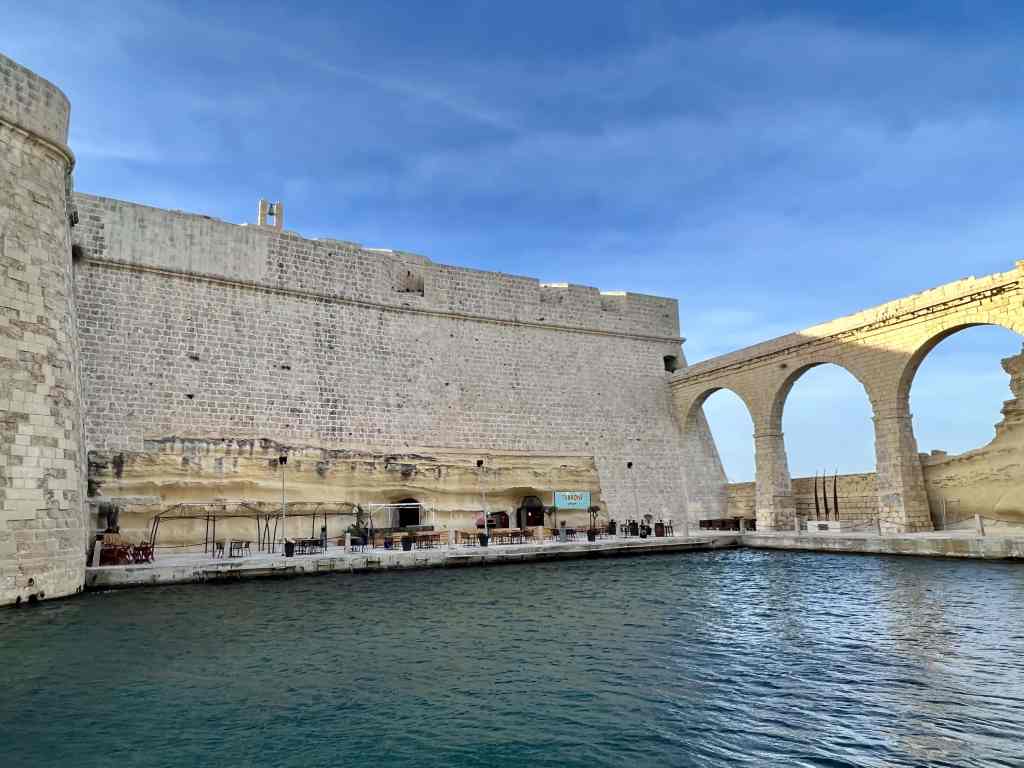
The Three Cities of Malta (Vittoriosa, Senglea and Cospicua) are simply three consecutive neighborhoods, and the area is likely the most important historic urban area of the islands. During our stay, we actually rented an apartment in the city of Vittoriosa, today called Birgu. The most important landmark in Birgu is the Fort St. Angelo, where the Great Siege of 1565 took place. The Knights held off the Ottoman Turks from their vantage point at Fort St. Angelo.

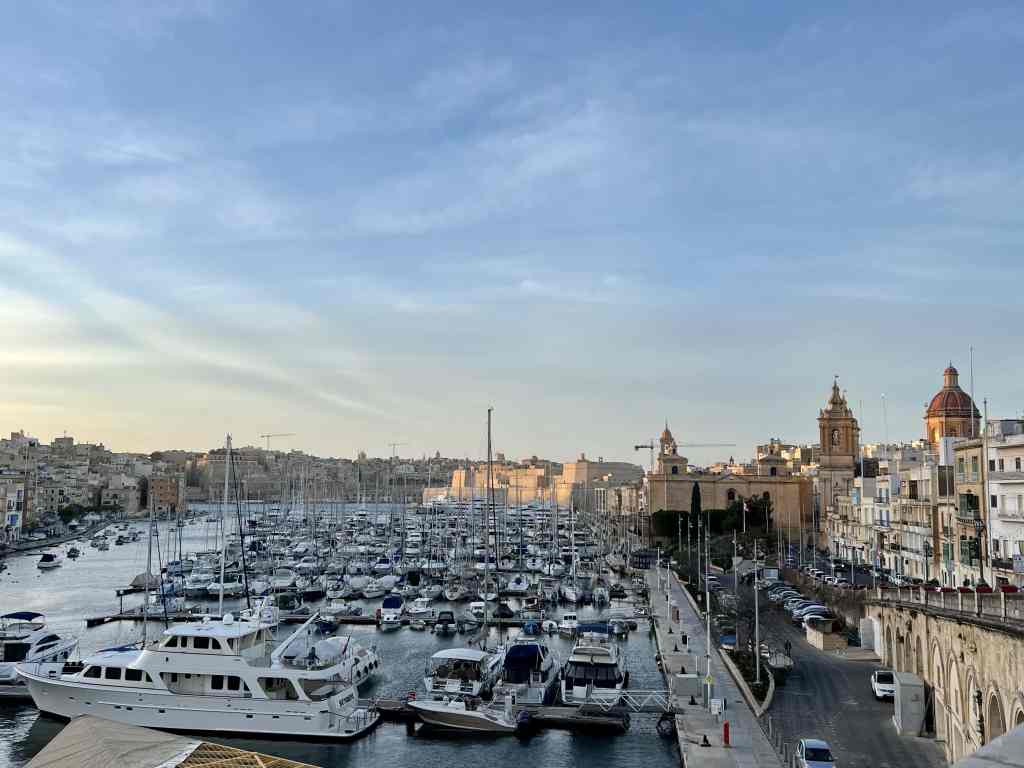
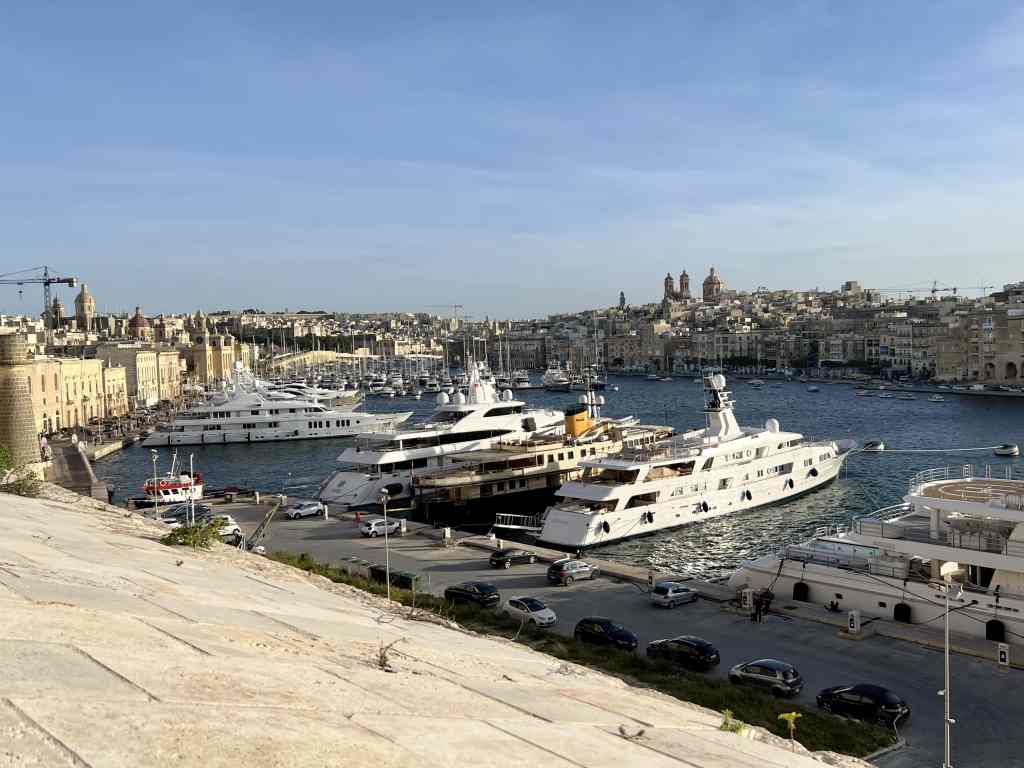
Valletta – the new capital of Malta
After the Great Siege, the Knights of St John built a grand, new city across the harbor from Fort St. Angelo and named it after the then current Grand Master, Jean de la Valette. (“Grand Master” was the title given to whomever was the head of the Order.) Valletta became a fortress city, but also home to rich culture developed throughout the 16th-18th centuries. Today, the whole city of Valletta is a UNESCO World Heritage Site.
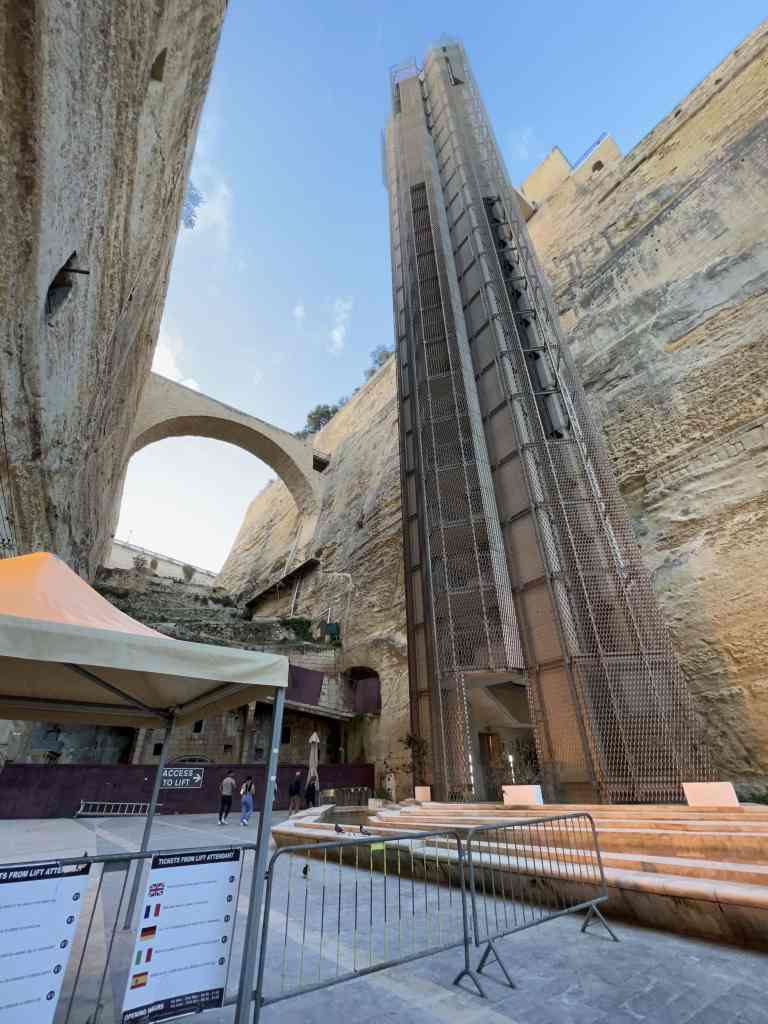

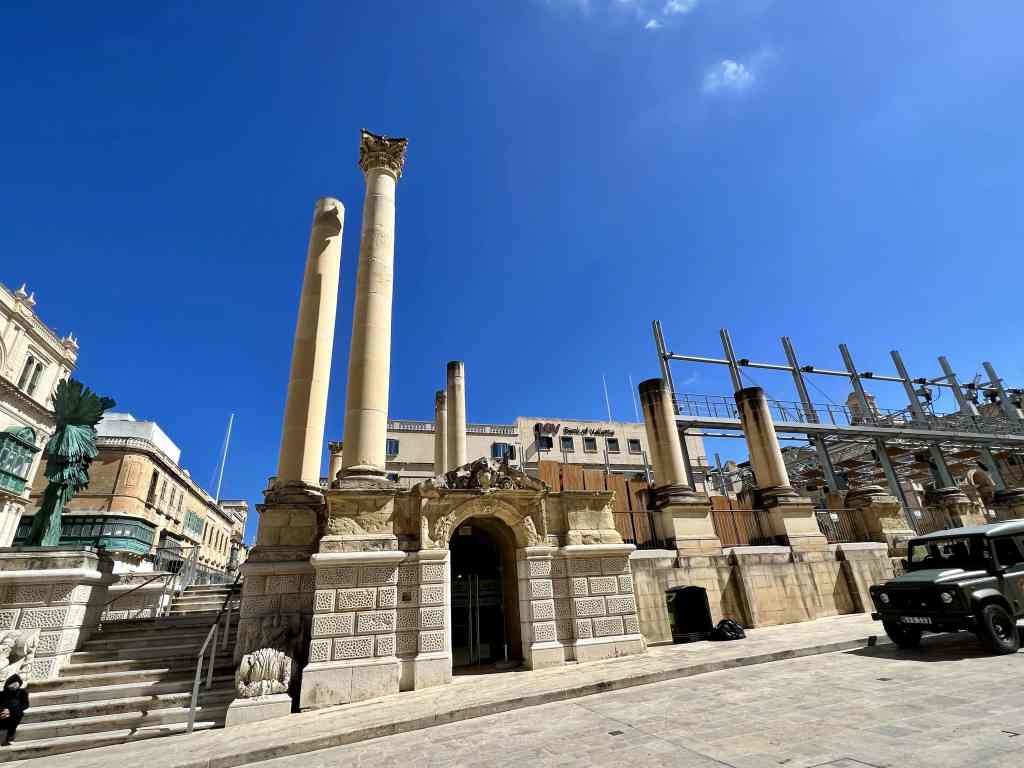

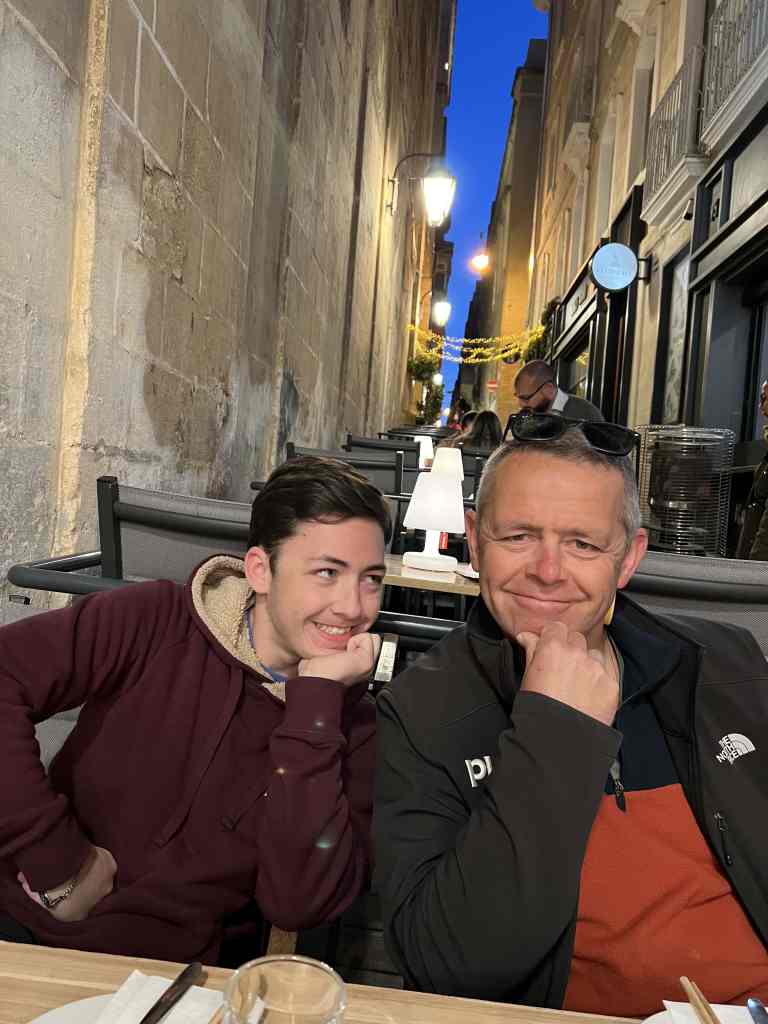
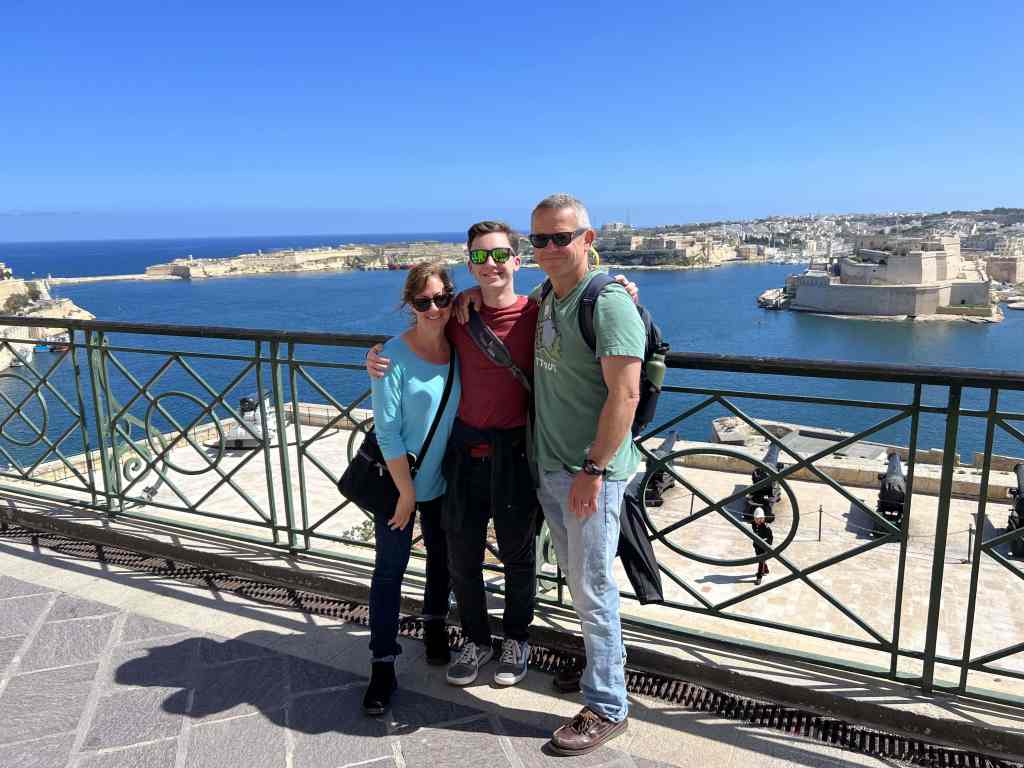

Valletta is known for its museums, palaces and grand churches. We visited many! You can see several other photos of Valletta, including from the amazing St. John’s Co-Cathedral with its famous Caravaggio paintings, in my former post here. Check them out!
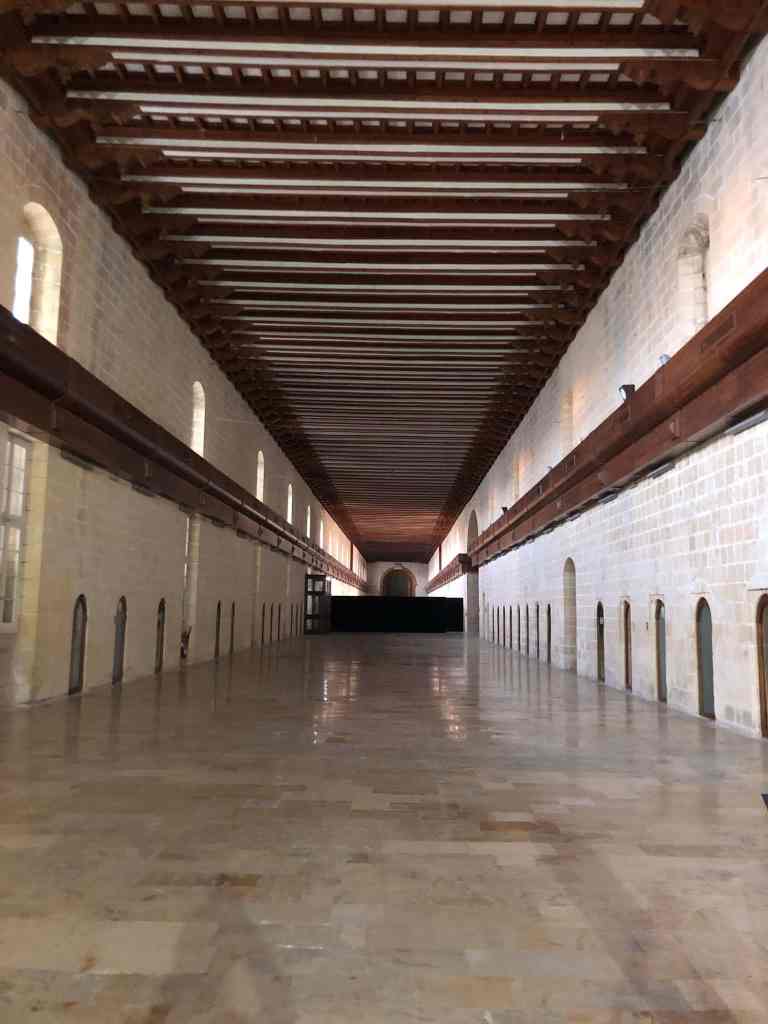
The Knights of St John also gave Malta a large place in the history of medicine. Their hospital, the Sacra Infermeria, in Valletta was the foremost hospital of Europe in its day. Here is more detailed history and photos. Refurbished in the 1900s, the building today is an international conference center.

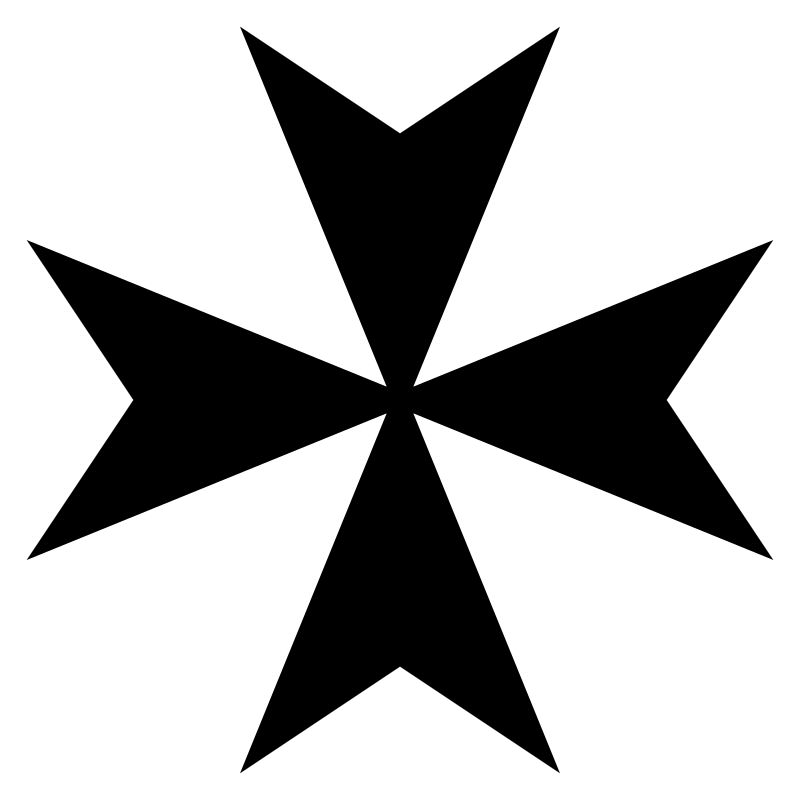
I’d be remiss if I didn’t mention the Maltese cross. Completely associated today with the country of Malta, this 8-pointed cross was adopted by the Knights of St John. The eight points were meant to symbolize the eight obligations or aspirations of the knights, and later also came to represent the eight languages/nationalities of the noblemen who were admitted to the order.
I’m honestly not doing the Knights of St John justice! I liked this writeup all about their legacy.
The nobility continued to rule society, and we were able to tour one 16th century palace that is still the living home to a current noble Maltese family – the Casa Rocco Piccola.


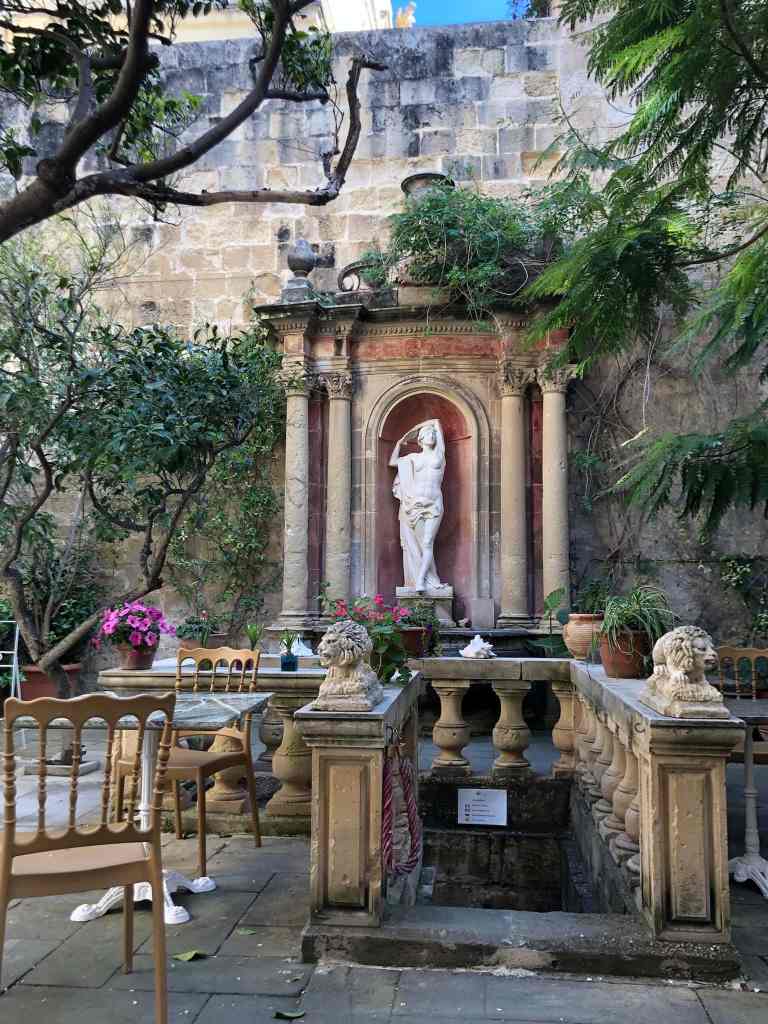

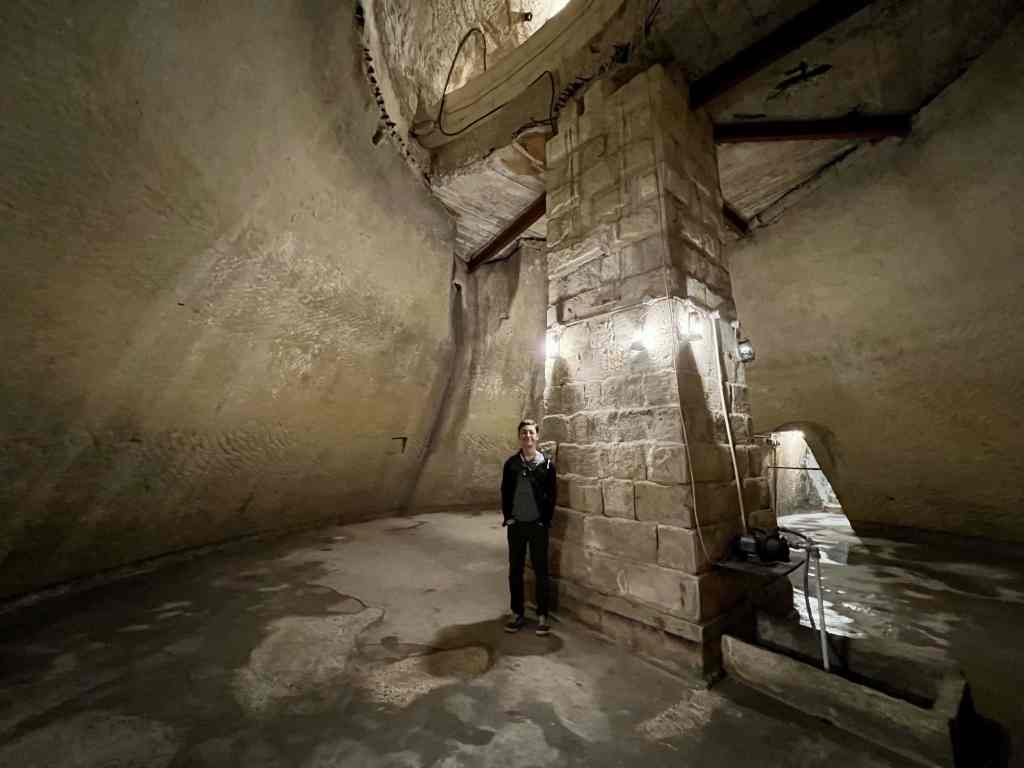
The remaining history…
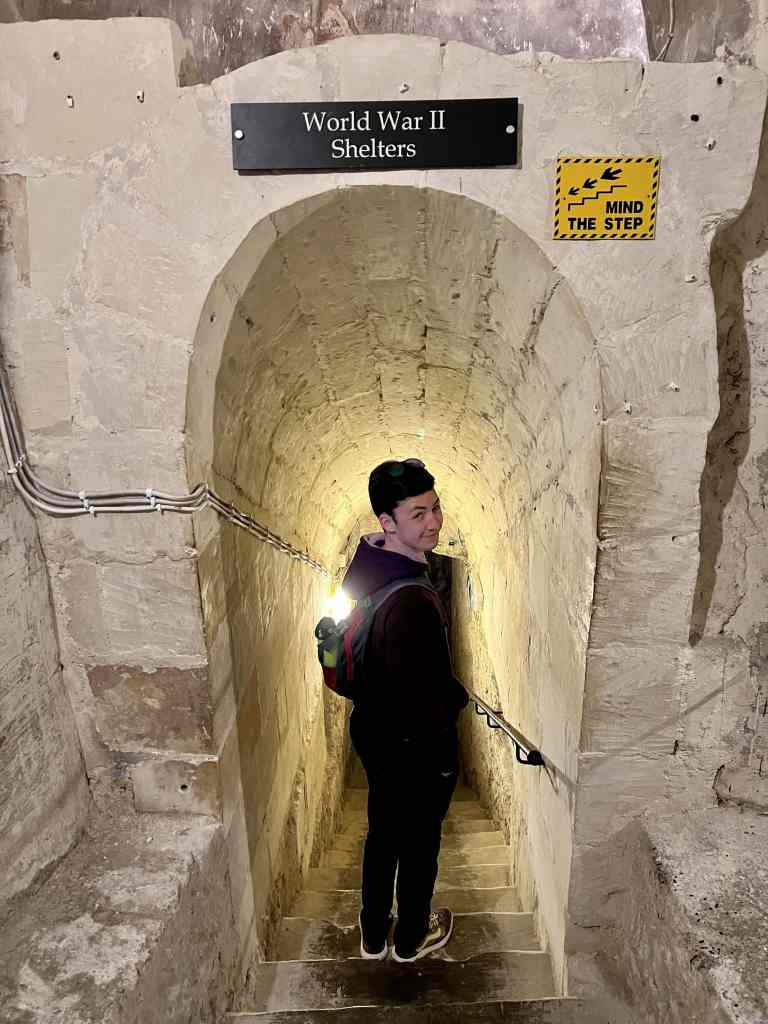
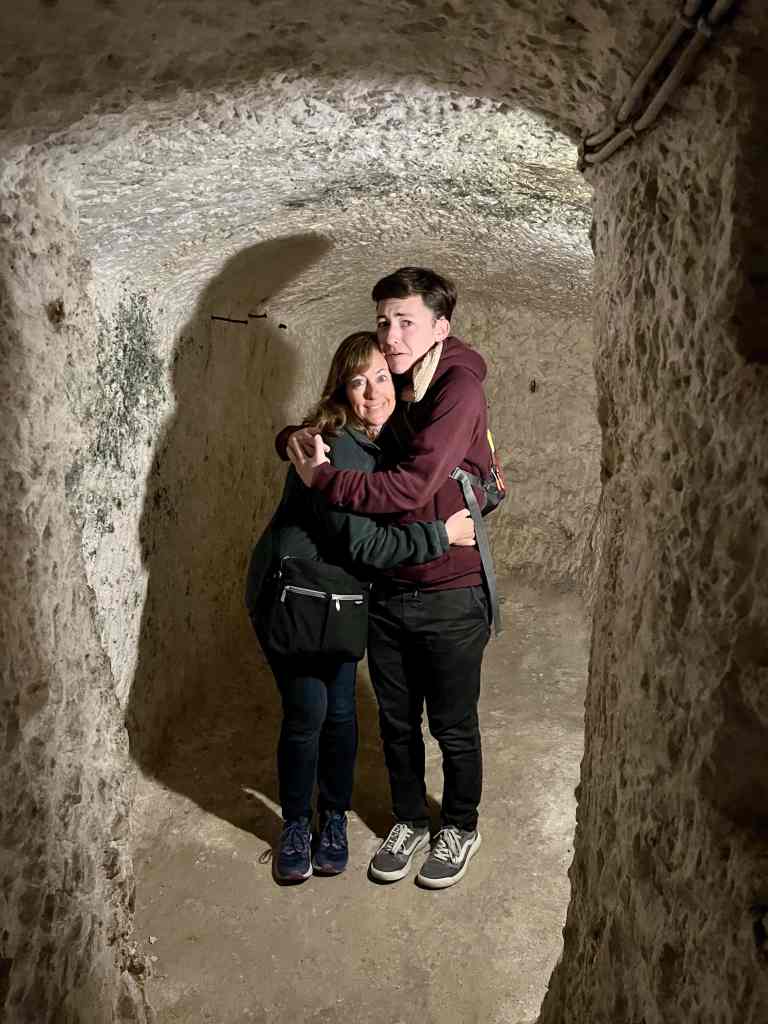
In 1798, Napoleon took over Malta from the Knights on his way to Egypt, however, the French were not liked at all by the Maltese. The Maltese requested help from Britain who took over in 1800. The English ruled Malta until 1964, when Malta finally became independent. However, as an Allied territory during WWII, Malta once again became a critical, strategic outpost. The Allies could sustain their North African campaign from Malta and launch their eventual attack on Italy. Malta holds the record for the heaviest, sustained bombing attack of the war, and suffered much destruction. Tunnels and bomb shelters can be found all over the island. For their immense gallantry, the Maltese were awarded the George Cross medal by King George VI.
Malta today…
Malta became a Republic in 1974, and joined the European Union in 2004. It remains heavily Roman Catholic, though like many modern countries, this is less so among the younger generations. It’s known for its plethora of beautiful churches (around 360 of them!) and Baroque architecture. The more modern influence of the English can be easily seen. The people are friendly, hardy, and blunt. They are well looked after by the government (with health care and education), however, job wages are low and taxes are high. Many young people are moving away to find better jobs. And we can’t forget to mention the high level of corruption and wealth of the nation (largely driven from money laundering that the government doesn’t want anyone to talk about). All and all, a fascinating place to discover and explore! I don’t feel my post is doing it justice. You’ll just have to check it out for yourself one day. 😉
Other random photos…
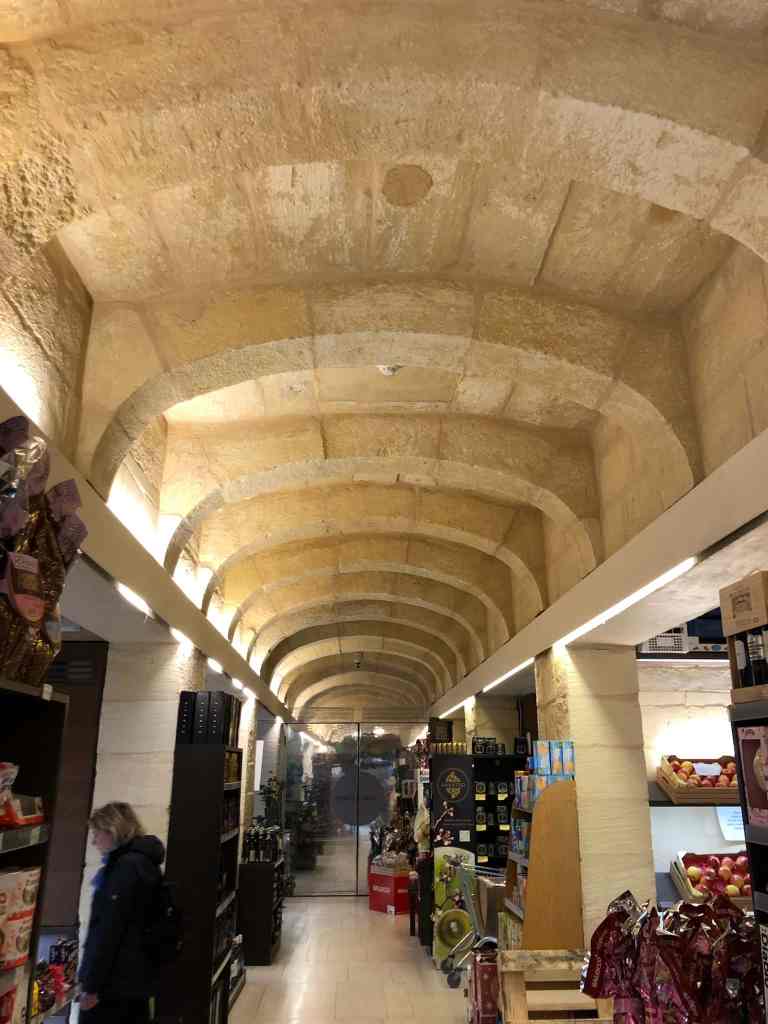
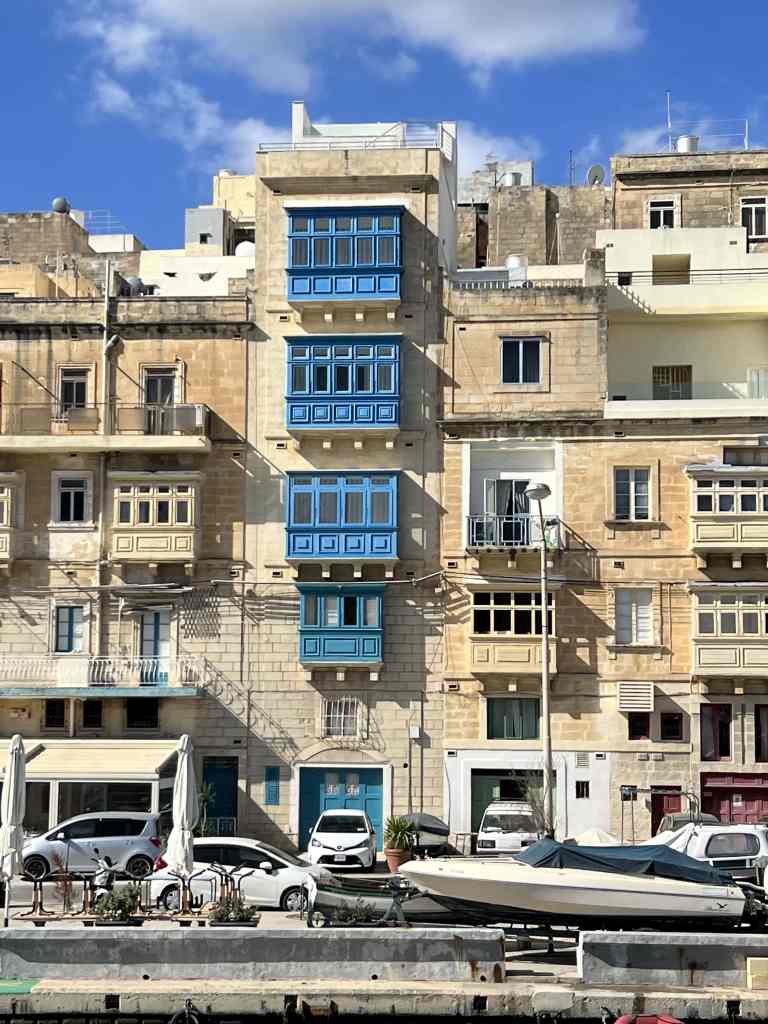
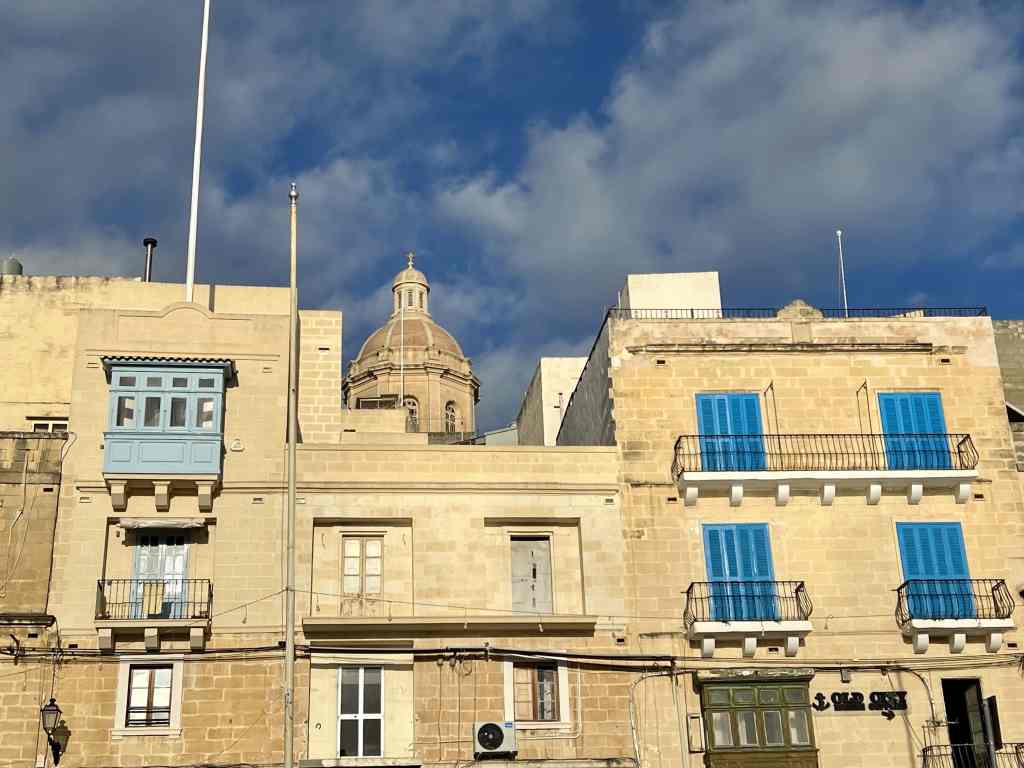
Beautiful buildings – Beautiful buildings everywhere. Even a grocery store! You’ll notice the use of creamy white limestone everywhere. And, colorful doors and windows are very common. I loved the characteristic windows.

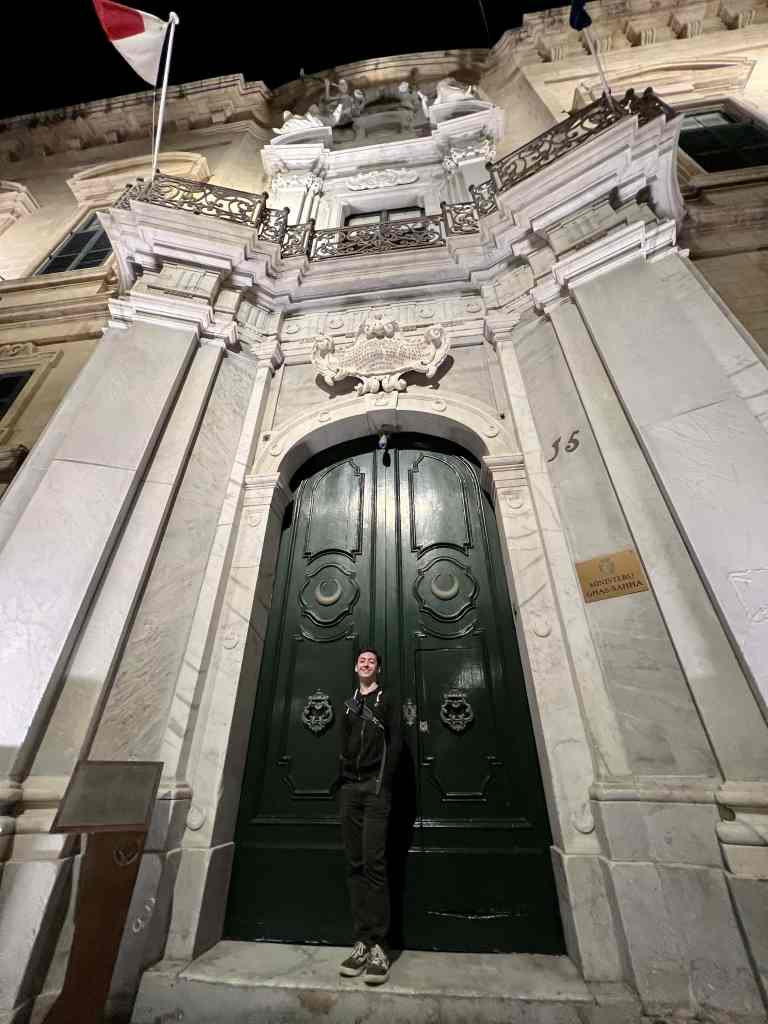
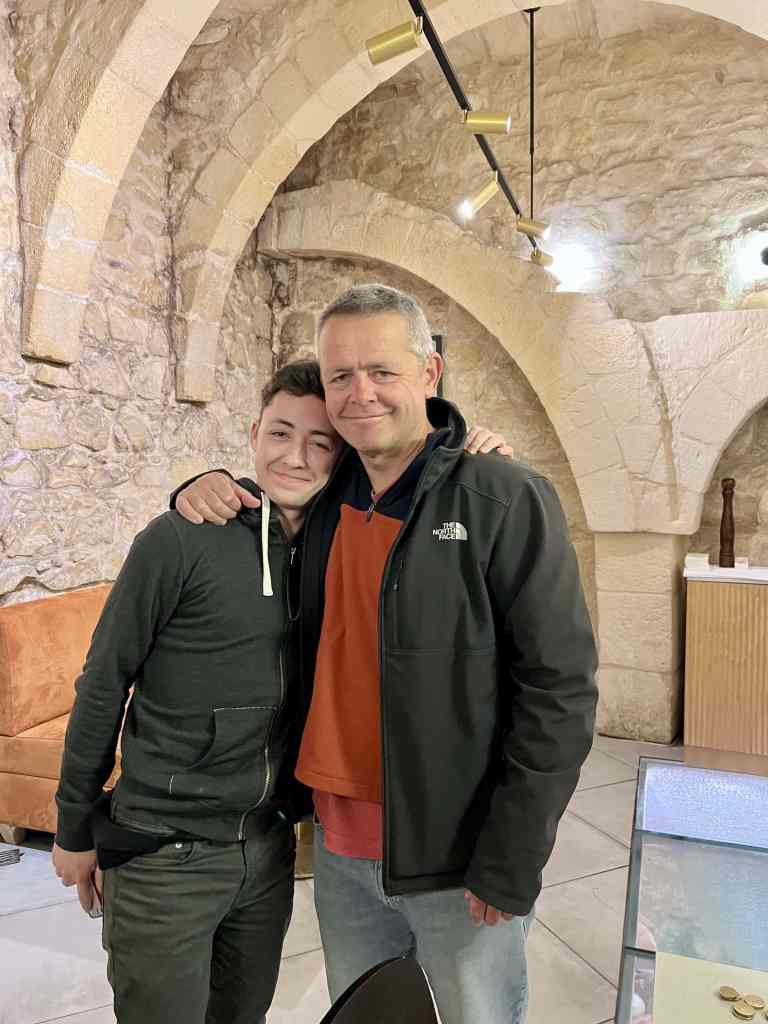

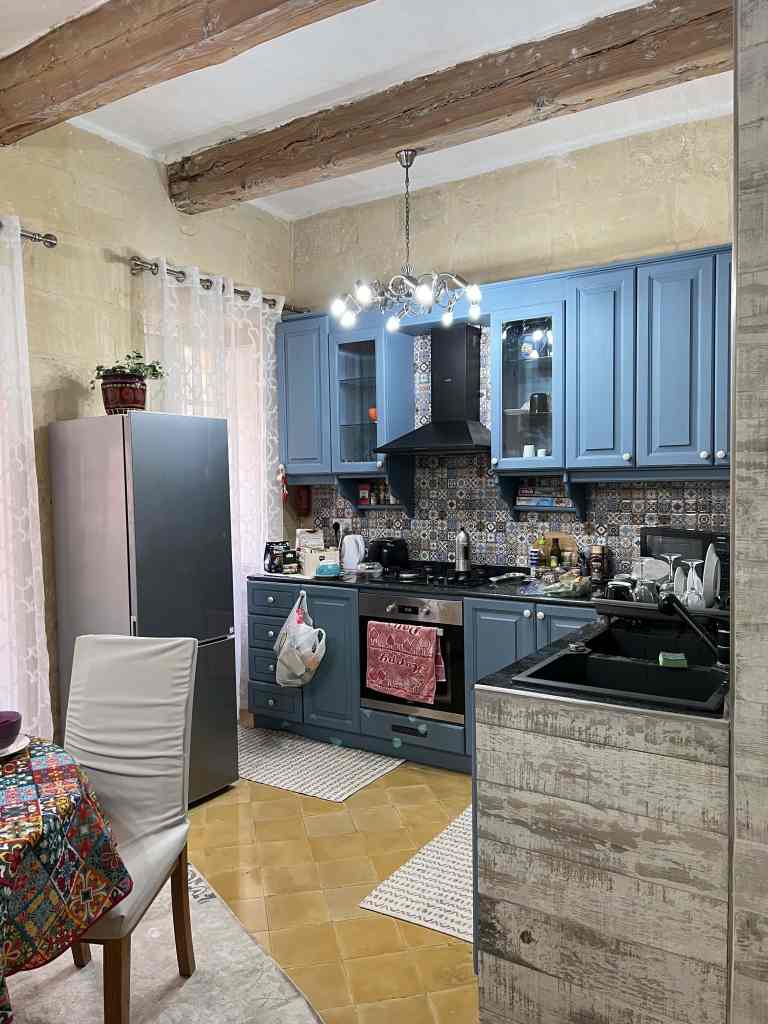
Our 4-story apartment – 500 years old and beautifully refurbished

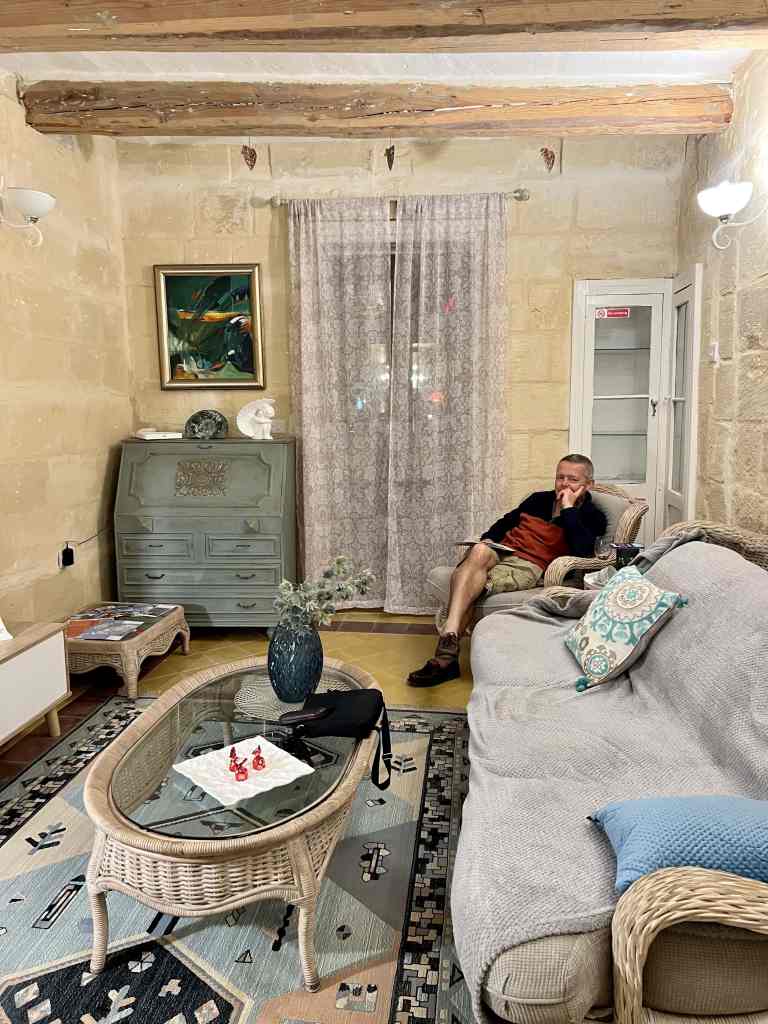
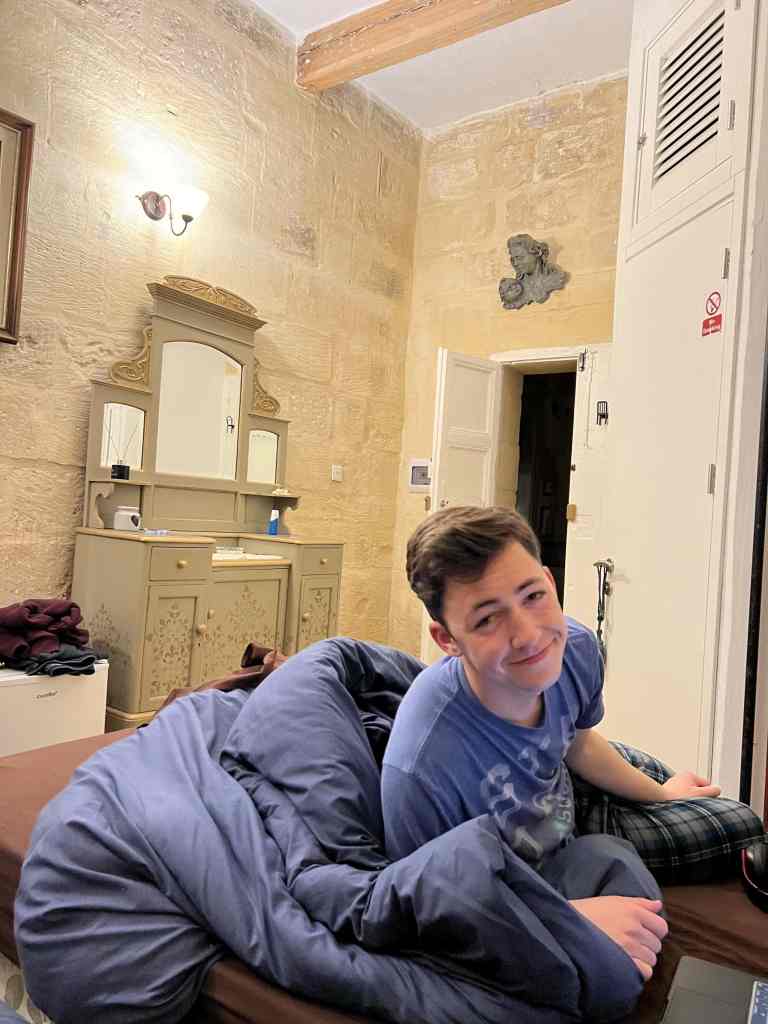
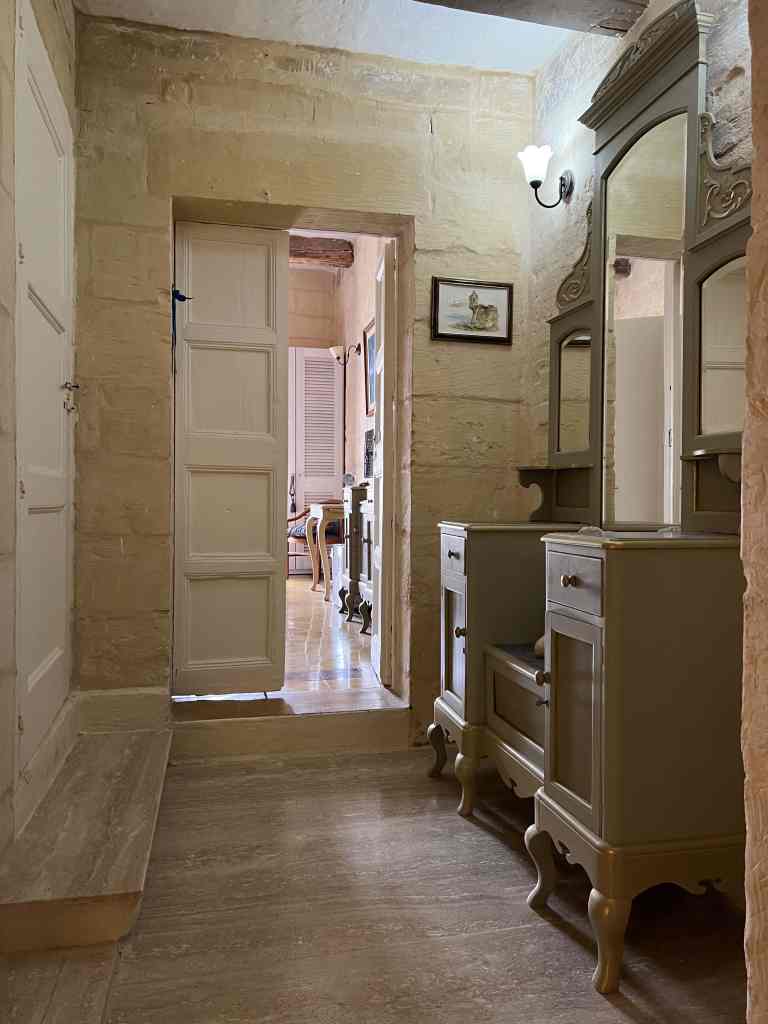
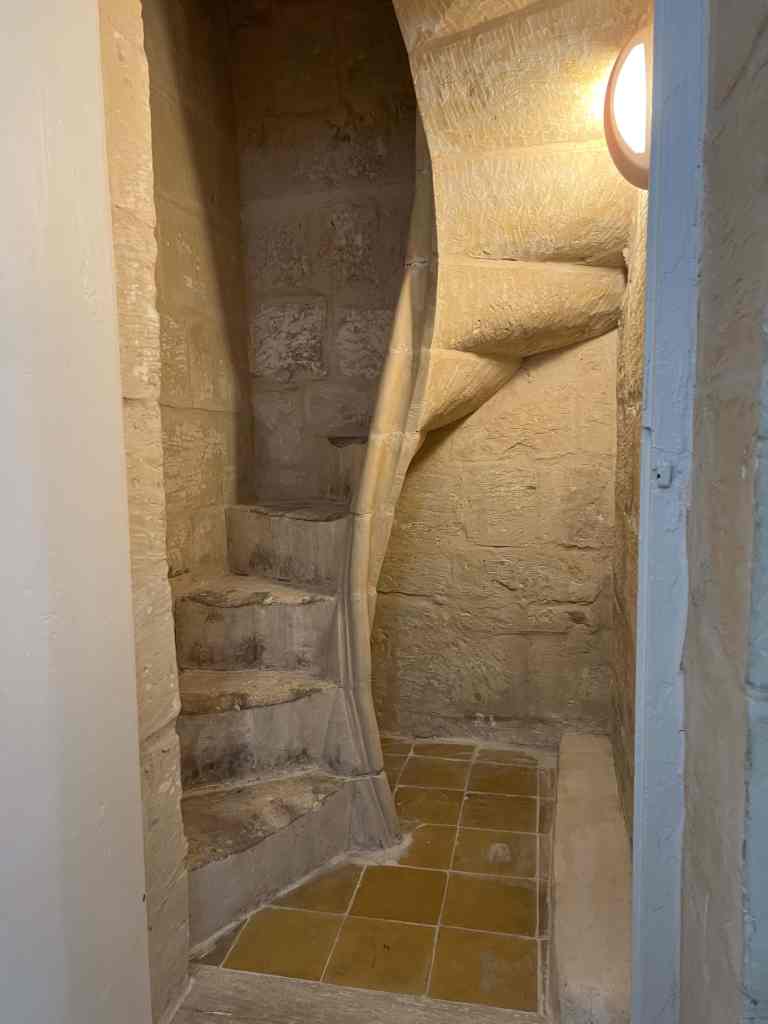
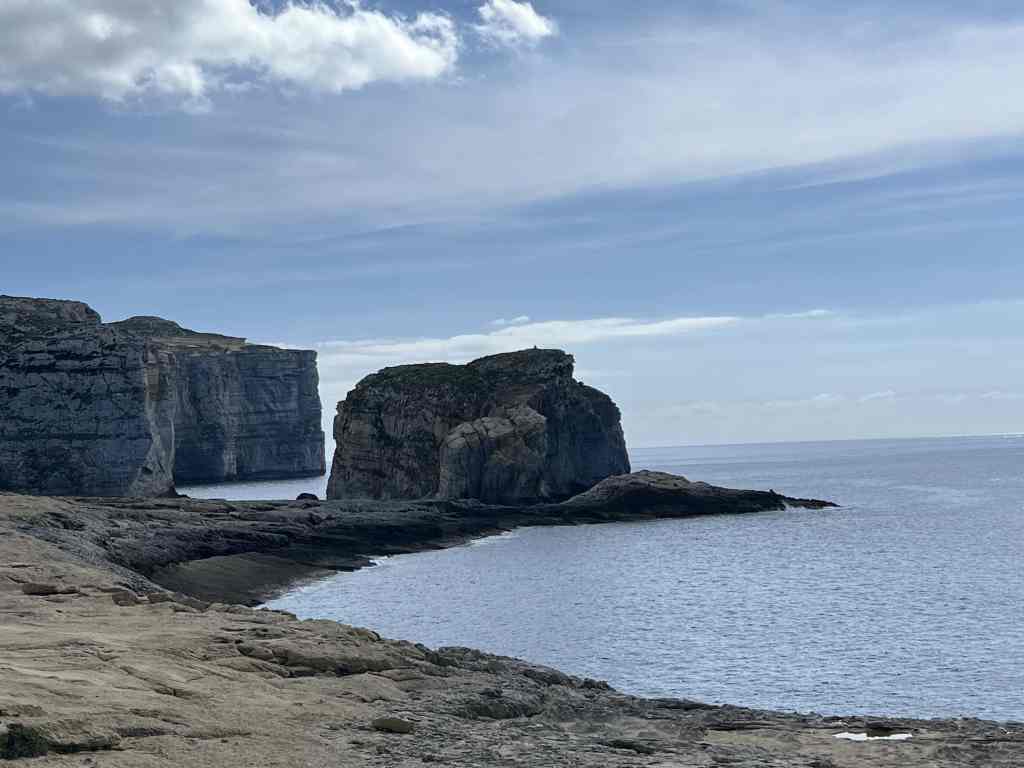
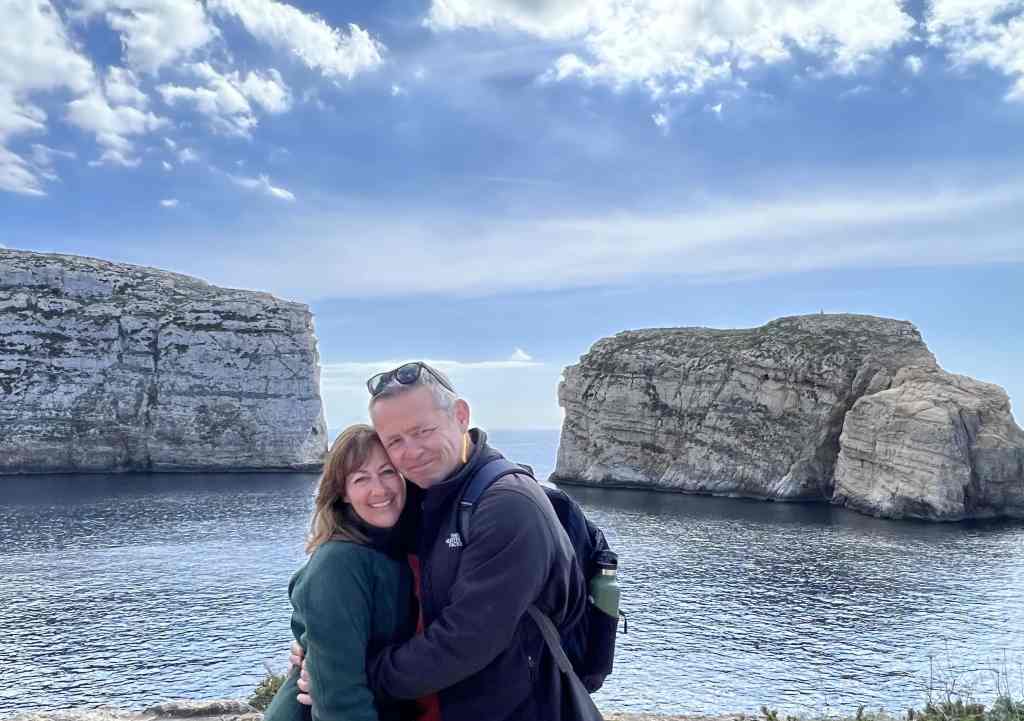
Gozo – one day we took the fast ferry from Valletta to the island of Gozo (which took 45 minutes). I do not recommend this ride if you easily get sea sick. Personally, l loved the island of Gozo (from what we could see in one short day) as it was more green than the island of Malta.

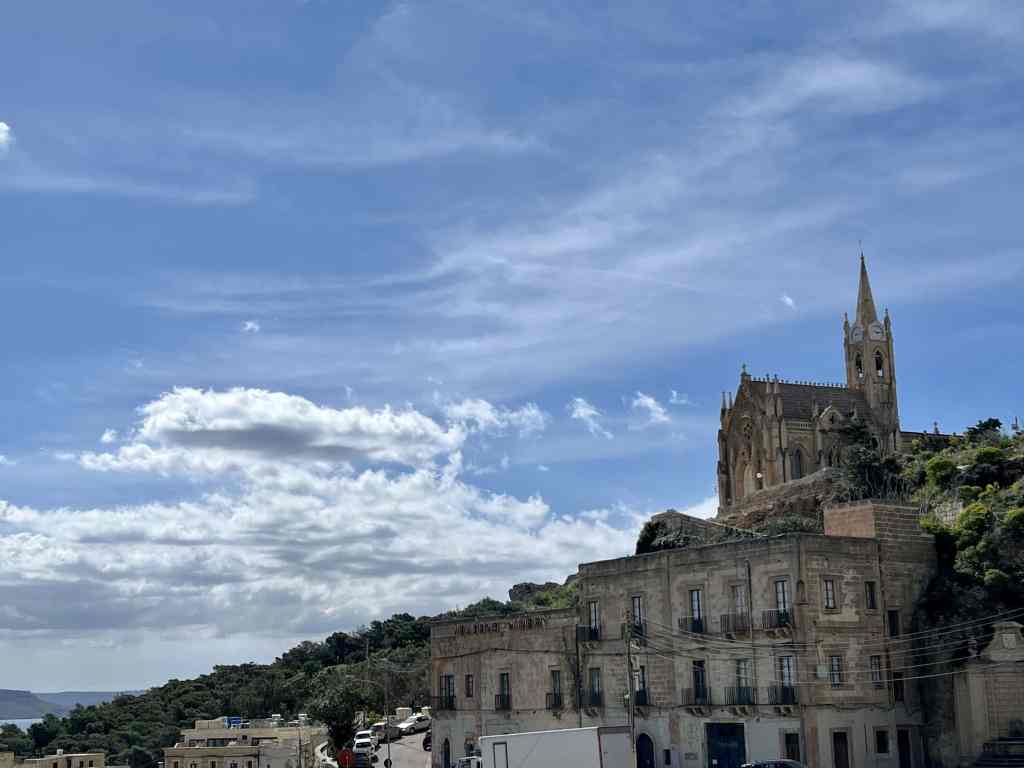

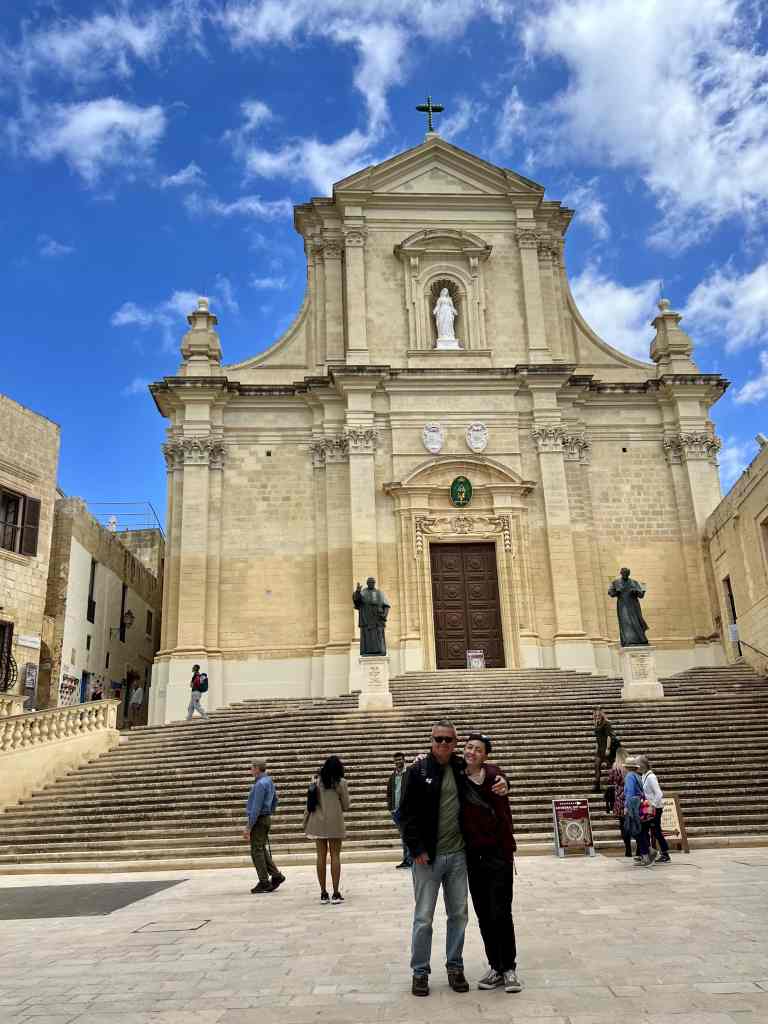
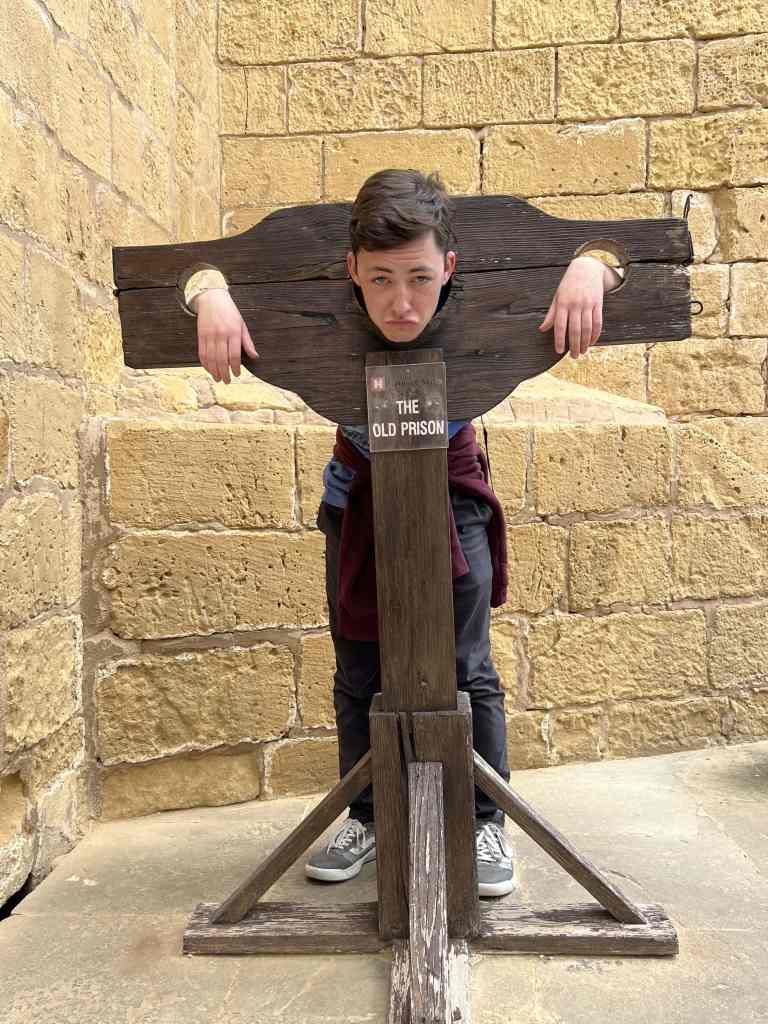
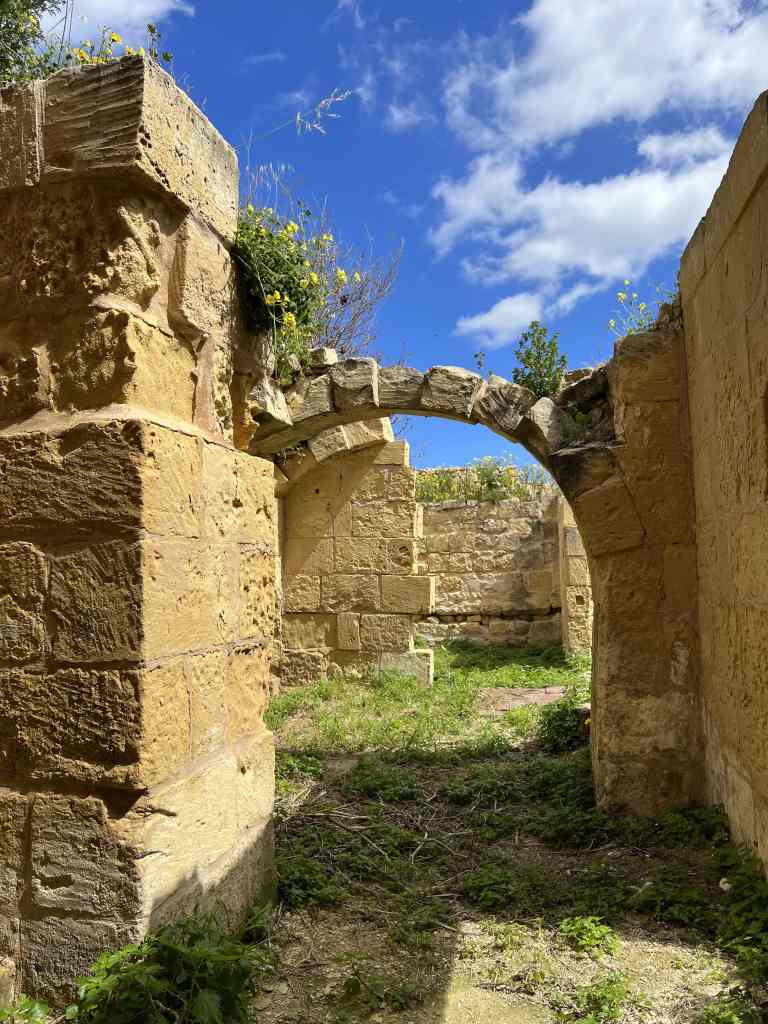

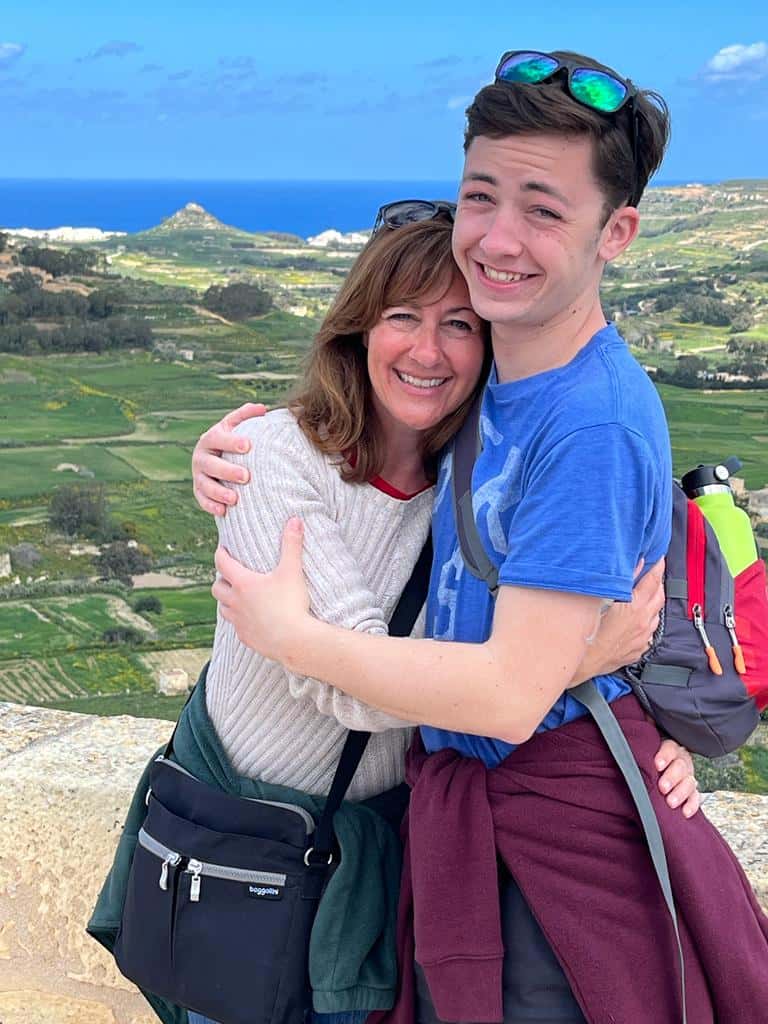
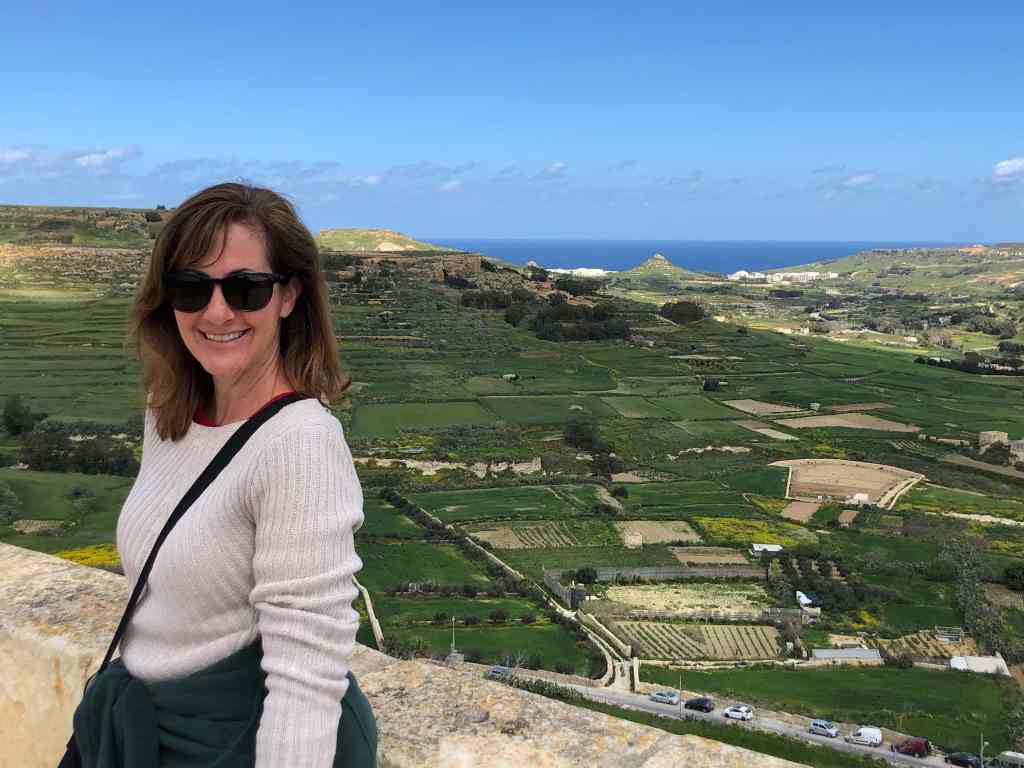
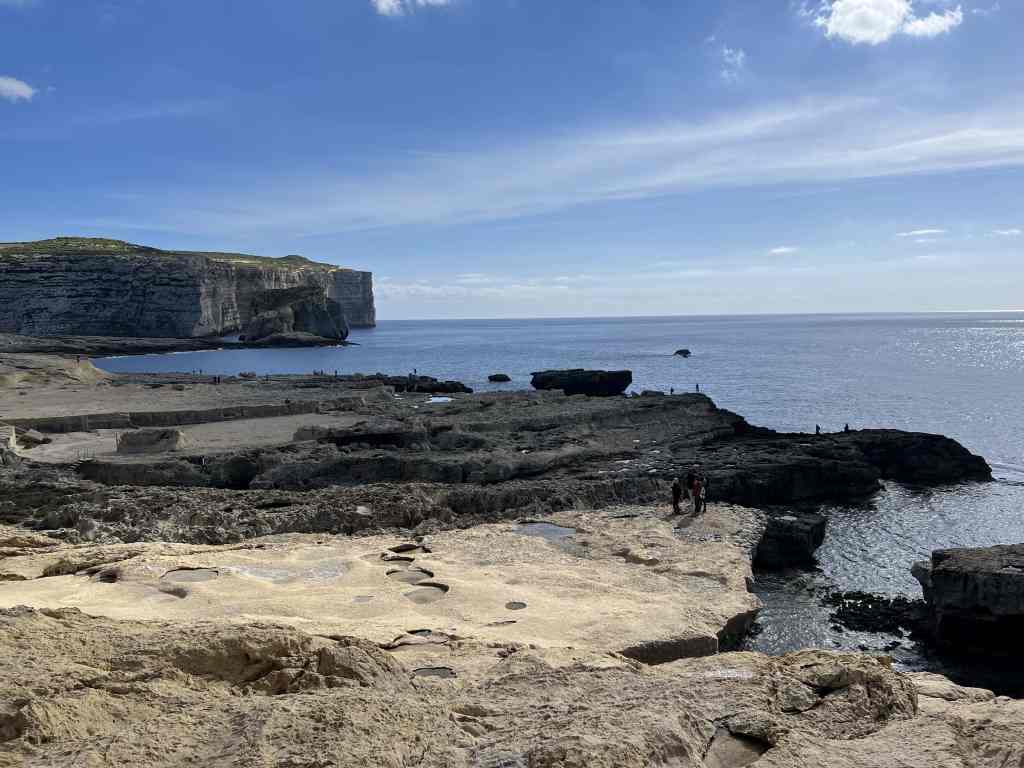
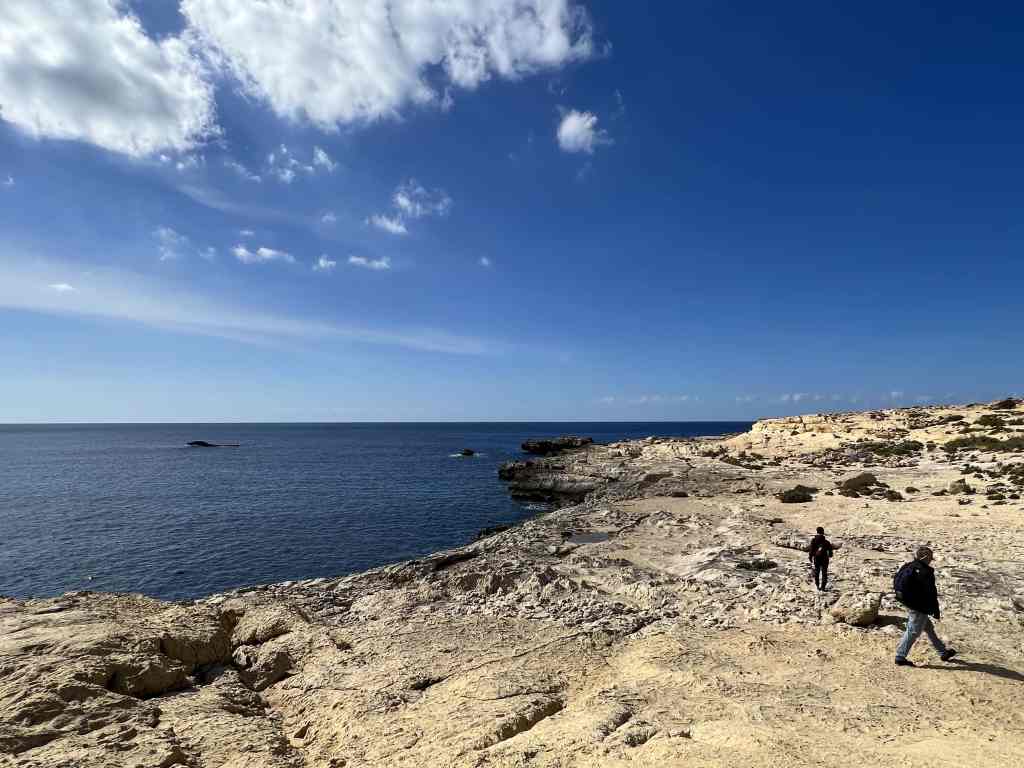

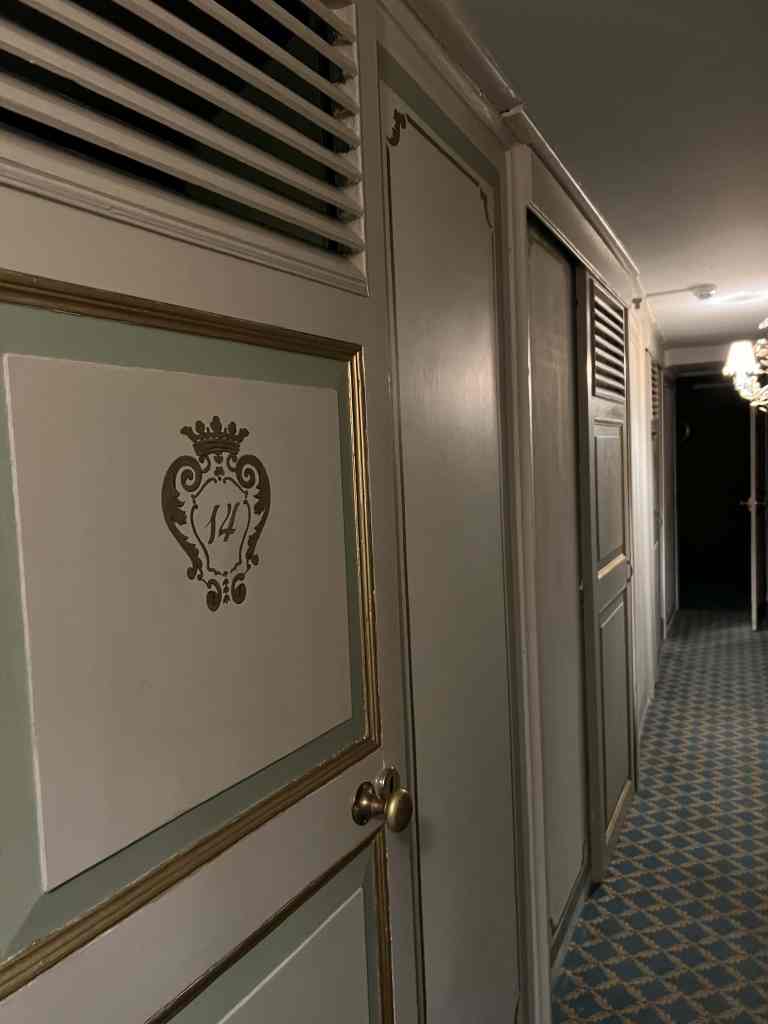
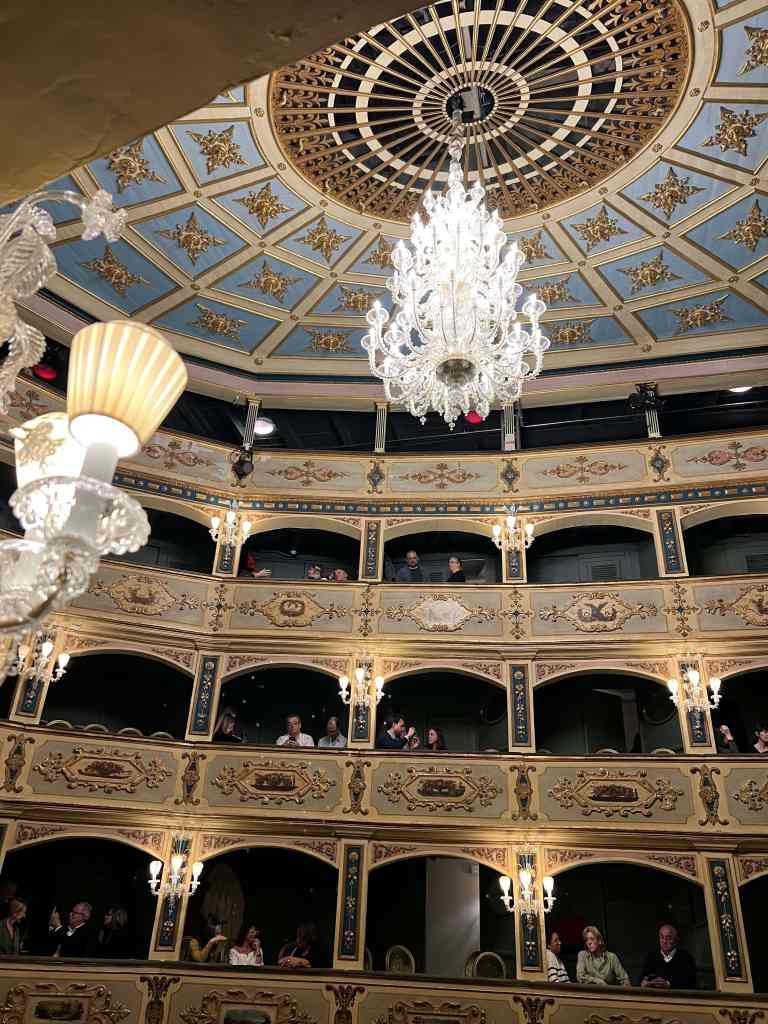
Theater – We ended our week by attending a performance at the beautiful Teatru Manoel. Built in 1731, this historical theatre has seen the performing arts flourish in Malta. Being big theater fans, we were excited that an English comedic/dramatic production (“Private Lives”) was playing, so we had to go experience it!


Again, there is so much more to do and see in Malta. And, the experience would be very different should we arrive by boat. We considered this our “land” visit, and we hope to visit by boat one of these days! Until then…

 Sailing Sabática
Totally awesome. Can’t wait to go there if you guys are still wanting to.
L,
PL
LikeLiked by 1 person
Wow, thanks for all the wonderful information and great photos. Looks like an amazing trip and place to visit. I have new respect for the next door Knights of Malta hospital!
Meghan
>
LikeLiked by 1 person
As always, very comprehensive Lisa…..grazie
Wonderfully put together……nothing is wasted
LikeLiked by 1 person